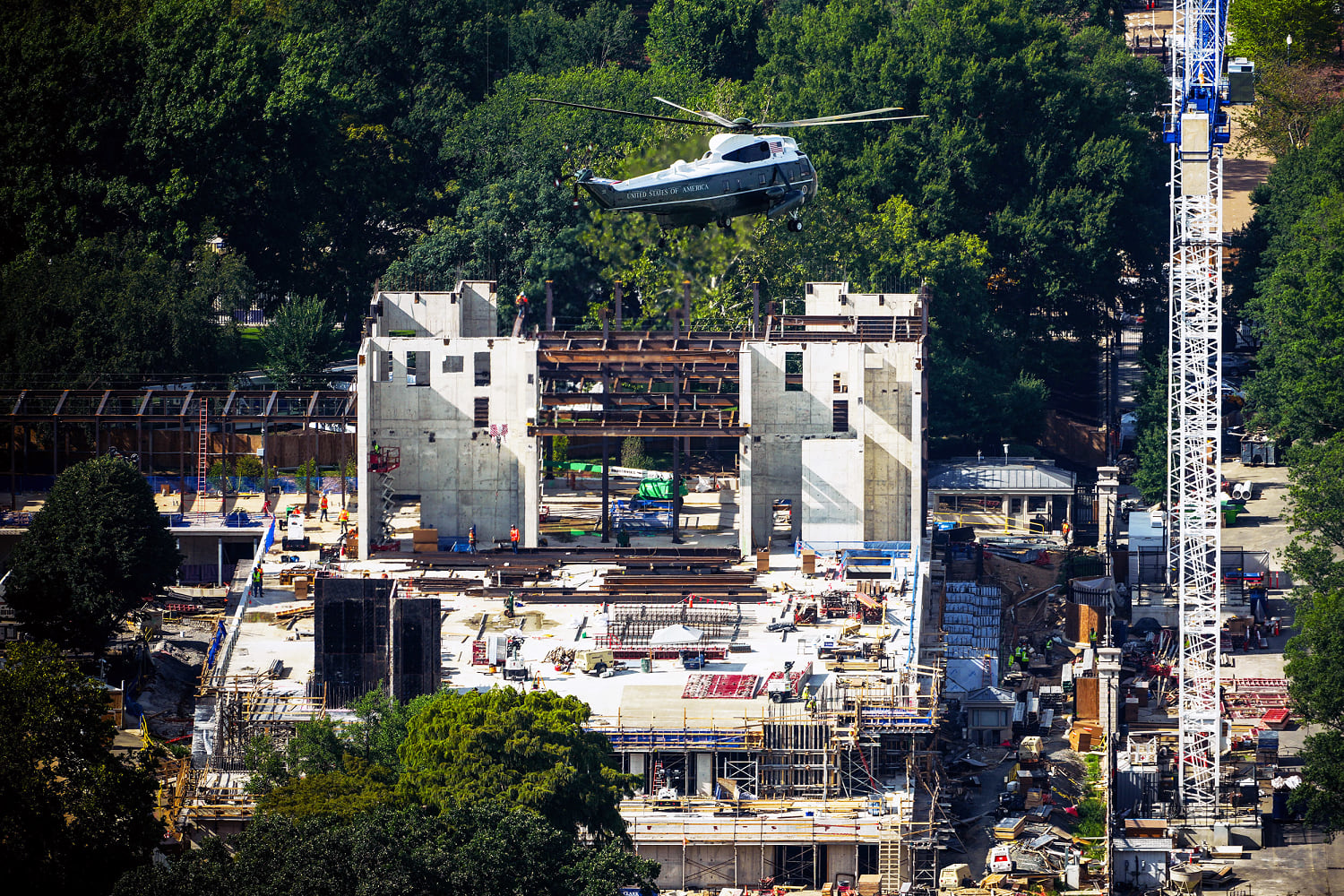
The Supreme Court has cleared the path for a massive infrastructure overhaul on Pennsylvania Avenue. A multi-million-dollar White House ballroom construction project is moving forward after legal challenges failed to stall the executive branch's architectural ambitions. This decision marks a turning point in how presidential footprints are physically etched onto the executive mansion. For decades, the historic residence has undergone piecemeal updates, but this project represents a structural transformation of unprecedented scale.
Critics argued that changing the grounds of a national landmark required extensive environmental reviews and congressional sign-offs. The high court disagreed, lifting lower court injunctions and granting the administration the leeway it sought. The project now shifts from legal briefs to bulldozers, raising questions about preservation, executive authority, and the enduring debate over who truly owns the executive mansion during a single term in office.
The Architectural Blueprint and Historical Precedent
Every administration leaves a physical mark on the White House. Theodore Roosevelt added the West Wing. Harry Truman gutted the interior while preserving the exterior facade. Michelle Obama planted a vegetable garden. Yet none of these changes rival the sheer footprint of a dedicated state ballroom.
Past commanders-in-chief often relied on the East Room or temporary tents on the South Lawn to host foreign dignitaries and large-scale state dinners. These setups came with logistical nightmares. Rain ruined galas, wind compromised sound systems, and security protocols created bottlenecks for hundreds of high-profile guests. A permanent structure solves these operational hurdles.
Architectural historians note that the mansion is a living museum, not a static monument. It evolves to meet the functional demands of the modern presidency. However, the speed and secrecy surrounding the current initiative have alarmed preservationists. The administration bypassed standard advisory councils, using emergency powers and broad interpretations of security exemptions to fast-track the blueprints.
Financial Logistics and Funding Mechanics
Building inside a secure federal compound is expensive. Taxpayers rarely foot the entire bill for executive vanity projects, and this initiative is no exception. Private donors, political allies, and corporate benefactors have quietly pooled funds into a dedicated preservation trust to underwrite the construction costs.
This funding model mirrors historical precedents where private capital subsidized public property. Yet it also opens a Pandora's box of ethical concerns. When billionaires and special interest groups finance structural additions to the seat of executive power, the line between public administration and private influence blurs.
Transparency advocates have demanded a full accounting of the donor ledger. They want to know who is cutting checks for the foundation and whether those entities have pending business before federal agencies. The administration insists that all contributions comply with federal ethics laws, but the lack of real-time disclosure keeps suspicion alive.
The Battle Lines of Executive Overreach
The legal fight over the ballroom exposed deep fractures in the separation of powers. Lower court judges had previously frozen the project, arguing that the National Environmental Policy Act and the National Historic Preservation Act required a thorough public comment period before concrete could be poured.
The Supreme Court's intervention bypassed those hurdles. By dissolving the injunctions without a full hearing on the merits, the justices signaled a broad tolerance for unilateral executive action regarding federal property management.
This ruling carries implications that extend far beyond a single construction site. If an administration can bypass environmental and historic preservation statutes to build a ballroom, the same legal logic could apply to other federal lands, monuments, and military installations. The precedent values administrative speed over statutory compliance.
Logistics on Pennsylvania Avenue
Construction management in the heart of Washington requires military-grade precision. Heavy machinery must operate within feet of a heavily guarded intelligence hub. Security clearances for construction crews involve months of background checks, and material deliveries are subject to constant threat assessments.
The logistical footprint will disrupt daily operations in the West Wing and the residence alike. Noise pollution, restricted access routes, and staging areas will alter the daily rhythm of the presidency. Project managers have promised a tight timeline, aiming to complete the structure before the current term expires.
Whether they meet that deadline depends on supply chain realities, labor availability, and the unpredictable nature of historic restorations. As the first trucks roll onto the grounds, the physical transformation of the executive mansion officially begins, leaving preservationists and critics to watch from the sidelines as history is literally hammered into place.