Granite does not care about your intentions.
It does not care that you woke up before dawn because the city felt too loud, too heavy, too suffocating. It does not care that you packed a single plastic bottle of water, laced up trainers that had seen better days, and told yourself that a few hours of sweat under a blazing sun would clear the fog in your head. The rock is ancient, indifferent, and uncompromising. It simply waits for gravity to finish its quiet math.
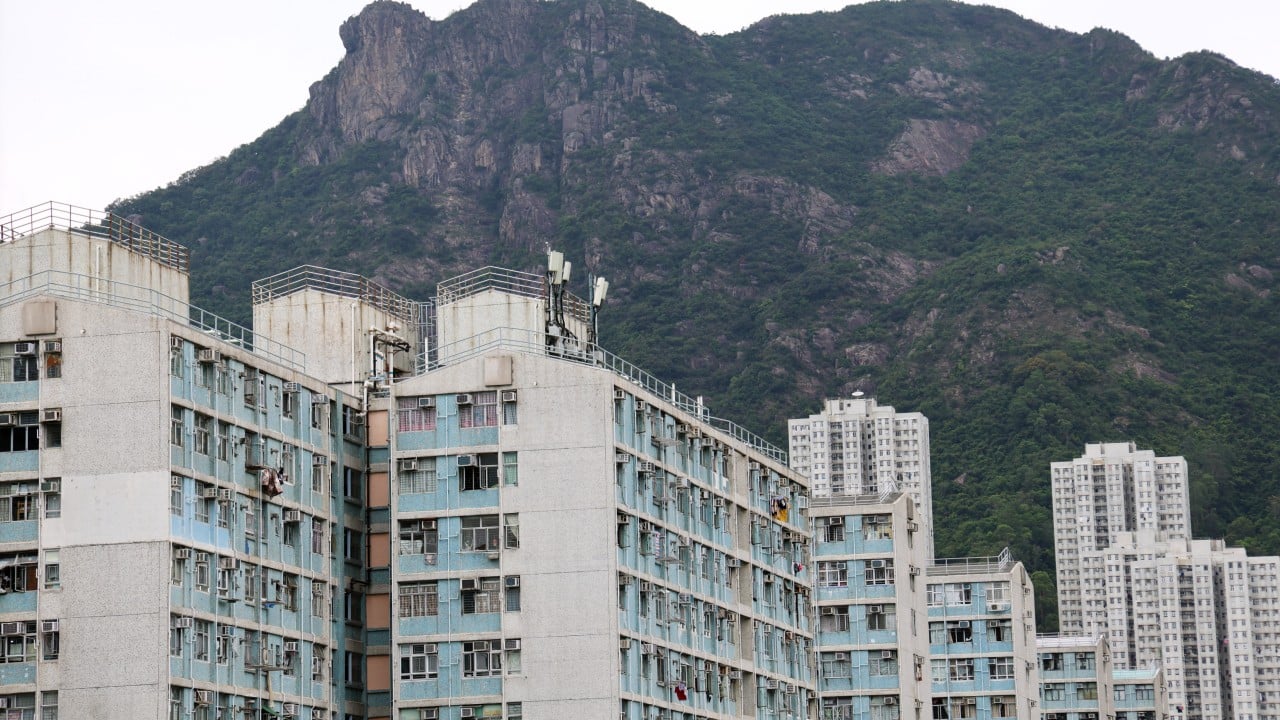
Consider the slope of Lion Rock. Rising over Hong Kong like a crouching beast carved by centuries of wind and rain, it is a monument to endurance. To look at it from the crowded streets below is to see a challenge; to climb it is to enter a dialogue with your own limits. Thousands make that pilgrimage every week, tourists seeking panoramic views and locals chasing a fleeting sense of escape from concrete canyons. Most return with tired legs and a camera roll full of memories.
Some do not.
On a Tuesday that began like any other, the heat was already thickening into an invisible blanket by mid-morning. Humidity hung in the air with the heavy, stagnant texture of wet wool. On the winding trails that weave through the dense secondary forest before opening up to the exposed, sun-scorched spine of the mountain, a teenager found himself running out of margin.
He was young. Youth convinces us of immortality, whispering that fatigue is merely a suggestion and that the body is an endless reservoir of bounce. But biology is stubborn. Under temperatures that test the resilience of seasoned athletes, a lack of preparation does not announce itself with a trumpet fanfare. It creeps in through the fingertips first—a slight tingling, a sudden cold sweat that defies the surrounding furnace. Then comes the dizziness, the tightening chest, the terrifying realization that the ground is tilting when it should be steady.
Heat exhaustion is a thief. It steals your focus, then your coordination, and finally your consciousness.
By the time the emergency services received the call, the situation had shifted from an ordinary afternoon hike to a race against cellular decay. Mountain rescue is a symphony of coordination, though from the outside it often looks like chaotic urgency. Firefighters, paramedics, and the Government Flying Service helicopter units form an invisible net suspended over the rugged terrain. Every second counts when core body temperatures cross the threshold into heatstroke, a medical emergency where organs begin to cook from the inside out.
The helicopter appeared over the ridge like a mechanical dragonfly, slicing through the hazy sky with a deafening roar that shook the scrub brush. Down on the rocky outcrop, first responders worked with practiced, frantic precision. They poured cool water over the stricken teenager, wrapping him in cooling blankets, trying desperately to reverse the invisible fire consuming him from within. There was no room for hesitation. Every movement was calculated to prevent irreversible trauma.
When the winch lowered the harness, it was a lifeline dropped into an abyss.
He was hoisted up into the belly of the aircraft, away from the dust and the searing glare, and flown swiftly toward the hospital. In the sterile quiet of the emergency room, machinery took over the task of monitoring what nature had nearly broken. Fluids poured into dehydrated veins. Monitors hummed their steady, mechanical rhythms.
We read these headlines with a brief flicker of concern before scrolling away to the next piece of digital noise. Another rescue. Another teenager flown to safety. A statistic filed away under local news.
Yet behind that dry headline lies a universal human truth about our modern disconnection from the natural world. We treat the outdoors like an amusement park ride—something to be consumed, conquered, and Instagrammed, forgetting that the wilderness does not adjust its volume for our comfort. We underestimate the environment because we spend our lives inside climate-controlled boxes, insulated from the raw force of the elements until we are suddenly standing on a mountain face, gasping for air in a world that demands respect.
The trails of Lion Rock will remain. The granite will not soften its edges, and the summer sun will continue to test the unprepared.
Next time you lace up your shoes and look toward the heights, remember the quiet weight of that climb. Respect the heat. Pack more water than you think you will ever need. Listen to the subtle warnings your body whispers long before it screams. Because the mountain will always be there tomorrow, but you only get one chance to walk back down.