Picture this. You are eating breakfast in a high-rise apartment or walking through a park in Denver. Suddenly, the roar of massive jet engines shakes the windows. You look up and see a commercial Boeing 777 flying low, flanked tightly by a squadron of armed F-16 fighter jets.
Now, remember what day it is. It is the morning of September 11.
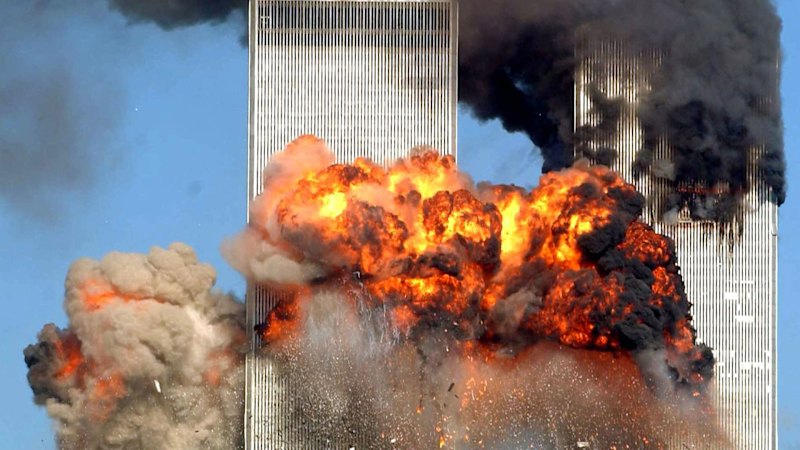
Whoever greenlit that visual clearly lived in a corporate vacuum. United Airlines genuinely planned to stage this exact display over Denver to mark the 25th anniversary of the 9/11 terrorist attacks. The timing was supposed to hit the exact minute—9:03 a.m.—when United Flight 175 crashed into the South Tower.
Fortunately, common sense won. After swift, fierce backlash and scrambling by local emergency services, the airline pulled the plug. But the fact that it got this far exposes a massive disconnect between corporate PR teams and human reality.
Anatomy of a Tone-Deaf PR Disaster
Let us look at the timeline. United scheduled the display as part of a private internal remembrance for its employees. They partnered with the Colorado Air National Guard, lining up four F-16s from the 120th Fighter Squadron to escort a massive Boeing 777.
They planned to have the formation cruise around the metro area before passing over the airline's Flight Training Center. Sounds grand on a PowerPoint slide, right?
Except a million people live in the Denver and Aurora area. Planes do not stay in a private bubble just because a corporate memo says so.
The Denver Office of Emergency Management had to jump into action, warning residents, dispatchers, and first responders ahead of time. They were literally trying to prevent mass panic. Imagine being a survivor, a first responder with PTSD, or just a regular citizen who lost someone, looking up to see commercial airliners weaponized by fighter jets in a grim visual reenactment.
When local journalists asked United if they considered how the public might react, the airline gave a classic non-answer. They claimed it was a private event.
That excuse falls flat immediately. You cannot fly a fleet of military jets and a wide-body commercial airliner over a major American metropolitan area and call it private.
The Executive Blind Spot
Corporate executive suites love grand gestures. They want scale, emotion, and dramatic symbols. They want to show strength and resilience.
Somewhere in a conference room, a group of high-level managers looked at the proposal for a passenger jet escorted by fighter jets and nodded. Nobody raised their hand to say, "Hey, maybe mimicking the exact visual trauma of September 11, 2001, is a terrible public relations move."
They forgot the basic rule of public empathy. On 9/11, commercial aircraft became weapons. Seeing a passenger plane flanked by military interceptors does not evoke comfort for millions of Americans. It evokes terror. It triggers memories of hijacked cockpits, burning towers, and a nation paralyzed by fear.
Even Denver's mayor office noted they were merely informed, not consulted. The city was left holding the bag, preparing emergency dispatchers for an influx of panicked 911 calls while United plotted its tribute.
What Should Have Happened Instead
Honoring the victims of 9/11 and the bravery of aviation workers requires respect, solemnity, and emotional intelligence. United did get some things right. They still planned to unveil a nine-foot-eleven-inch monument crafted from World Trade Center steel at their training facility. That is a permanent, respectful tribute.
Stunts in the sky do not help anyone heal.
When organizations plan memorials, they need to run ideas past people outside the corporate bubble. If your PR strategy requires the local government to issue emergency warnings so people do not think a terrorist attack is happening overhead, your strategy is broken.
United did the right thing by canceling the flight, even if it took public outrage to get them there. Next time, listen to the community before the pitch ever leaves the conference room.