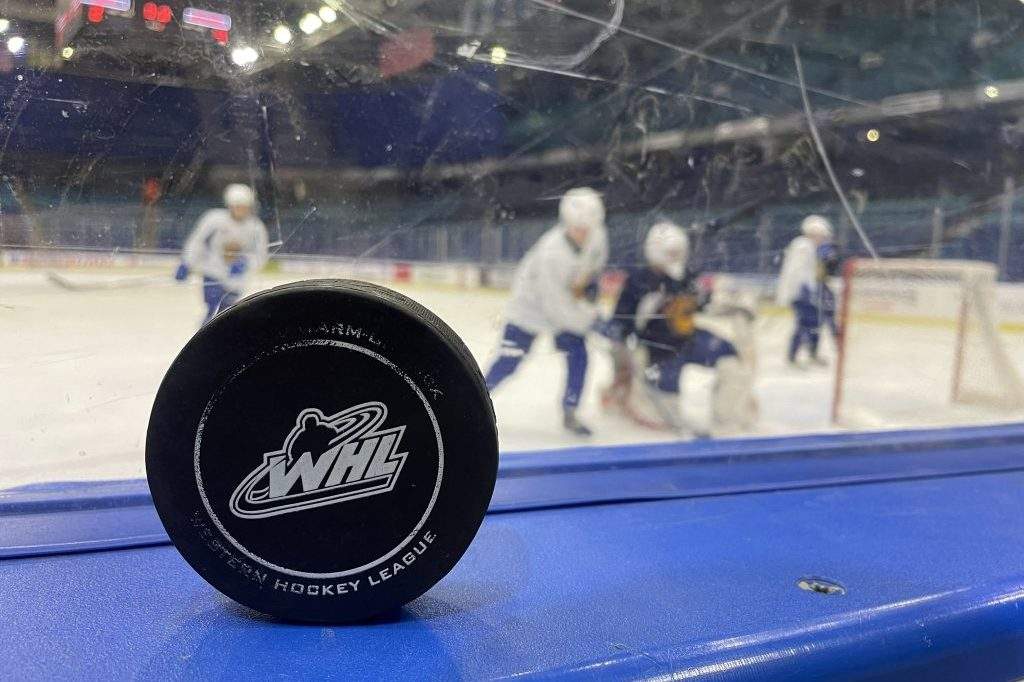
The Western Hockey League wants you to believe that junior hockey overtime is broken because smart coaches figured out how to win. Their shiny new "No Return" pilot project bans teams from skating, passing, or shooting the puck back across the blue line once they enter the offensive zone. Do it anyway, and the whistle blows, ending possession, slapping you with a defensive-zone faceoff, and locking your tired legs on the ice with zero line changes allowed.
The lazy consensus from league executives and purists is that retreating out of the zone is a boring contagion ruining the chaotic thrill of three-on-three hockey. Commissioner Dan Near cries about teams playing keep-away and slowing down the clock. Fans groan when a team pulls back instead of forcing a low-percentage shot into a wall of sticks.
Everyone is pointing their fingers at the symptoms while completely ignoring the disease.
The strategy of exiting the zone isn't an act of cowardice or an exploit that needs a patch. It is the rational, mathematically sound optimization of a broken format. When you leave three skaters on an expansive sheet of professional ice, possession is oxygen. Charging blindly into a neutral zone trap or forcing a desperate rush against fresh opponents is how coaches get fired. Teams cycle backward to preserve possession, trade tired legs for fresh bodies, and exhaust the defending trio until an actual, high-danger scoring opportunity opens up.
If you penalize teams for retreating, you aren't fixing the game. You are turning three-on-three into a reckless coin-flip contest designed purely to cater to short attention spans.
The Engineering Flaw of Artificial Chaos
Imagine a scenario where a poker player is banned from folding or checking because the spectators find it dull when they aren't pushing chips into the center every single hand. You would call that a mockery of the sport. Yet that is precisely what the WHL is attempting to impose on junior hockey.
Three-on-three hockey was never meant to be an all-out, non-stop footrace. The moment coaches realized that maintaining the puck is vastly superior to chasing a high-risk transition, the geometry of the extra frame changed forever. Teams stopped playing pond hockey and started playing chess.
The proponents of the "No Return" rule argue that it forces action. They are right, but they misunderstand the nature of that action. It does not force brilliant play; it forces panic. It penalizes tactical patience and rewards the team that happens to win a chaotic board battle after a forced dump-in. By eliminating the safety valve of a clean zone exit, you strip away the intelligence of the system. You reward desperation over structure.
What Analytics Actually Tell Us About Possession
Look at the underlying numbers across professional and major junior leagues over the last decade. Teams that control entry regroups in extra frames generate higher expected-goal rates because they dictate the terms of engagement. When a team retreats, they are stretching the defensive structure, pulling tired opponents out of position, and waiting for a breakdown.
Take away that option, and you punish possession. You force hurried, low-percentage wrist shots from the perimeter simply to avoid a whistle.
- The Forced Turnover Trap: Without the ability to reset behind the blue line, players under pressure will haphazardly throw pucks toward the net or blindly chip them forward, drastically inflating transition turnovers.
- The Fatigue Penalty: The punishment for an accidental or tactical exit is a defensive-zone draw with no changes allowed. This means a minor positional miscue turns into an immediate, high-probability scoring chance for the opponent. It's a disproportionate execution sentence for a minor structural reset.
- The Elimination of Strategy: Hockey is a game of adjustments. When a rule is engineered specifically to prevent a smart tactical adjustment, the sport stops evolving and starts devolving into a scripted spectacle.
The Real Solution Nobody Wants to Fund
If the leagues genuinely want to eliminate boring keep-away hockey without resorting to arbitrary whistle-blowing rules, the answer has been staring them in the face for years. They are simply too cowardly to implement it because it hurts television broadcast windows.
Extend the overtime period and eliminate the shootout entirely, or change the structural layout of the ice. But playing five minutes of frantic, artificially restricted three-on-three just to get to a skills competition is a waste of everyone's time.
The "No Return" rule is a band-aid slapped over a bullet wound. It treats tactical intelligence as an offense against entertainment. If junior hockey wants a faster, cleaner resolution to tied games, stop micro-managing how players use the space on the ice. Let them possess it, let them retreat, and let real competitive pressure do what artificial whistles never can.