The Sound of Silence in September
September air usually carries a specific kind of electricity in a baseball town. The nights turn crisp. The shadows stretch long across the infield grass. Pennant races tighten into a knot of nervous sweat and scoreboard watching.
In Seattle, that autumn arrived with a roar. The 2001 Mariners were not merely winning; they were rewriting the sport's arithmetic. One hundred and sixteen victories. An entire summer built on relentless hits, dominant pitching, and a quiet, unified belief that something historic was unfolding in the Pacific Northwest.
Then, a Tuesday morning arrived.
The sky over New York burned. The world stopped. Baseball felt trivial, absurd, and entirely impossible to care about. Stadiums went dark. Airplanes stayed grounded. The country held its breath, trapped behind television screens as towers fell and dust choked the streets of Manhattan.
For nearly a week, silence replaced the roar.
When the game finally returned, it did not feel like a celebration. It felt like a test. Returning to the field meant stepping back into a reality that had permanently altered its shape. The crowds were smaller. The cheers felt heavier, muffled by grief and a collective hesitation about what it meant to play a children's game while a nation buried its dead.
In that fragile atmosphere, the Mariners traveled to Anaheim. They needed wins to lock down the American League West. They got them. But long after the final out was recorded on that September night, something else happened on the outfield grass.
Weight of the Canvas
Flags are pieces of cloth until wind gives them a pulse.
Manager Lou Piniella, a baseball lifer whose veins ran on salt and stubbornness, stood near the dugout rail. Around him, players who had spent months locked in the hyper-focused tunnel vision of a championship pursuit looked up at the California sky. They were young men mostly, accustomed to treating a slump as a tragedy and a walk-off win as the peak of human experience.
They looked different that night.
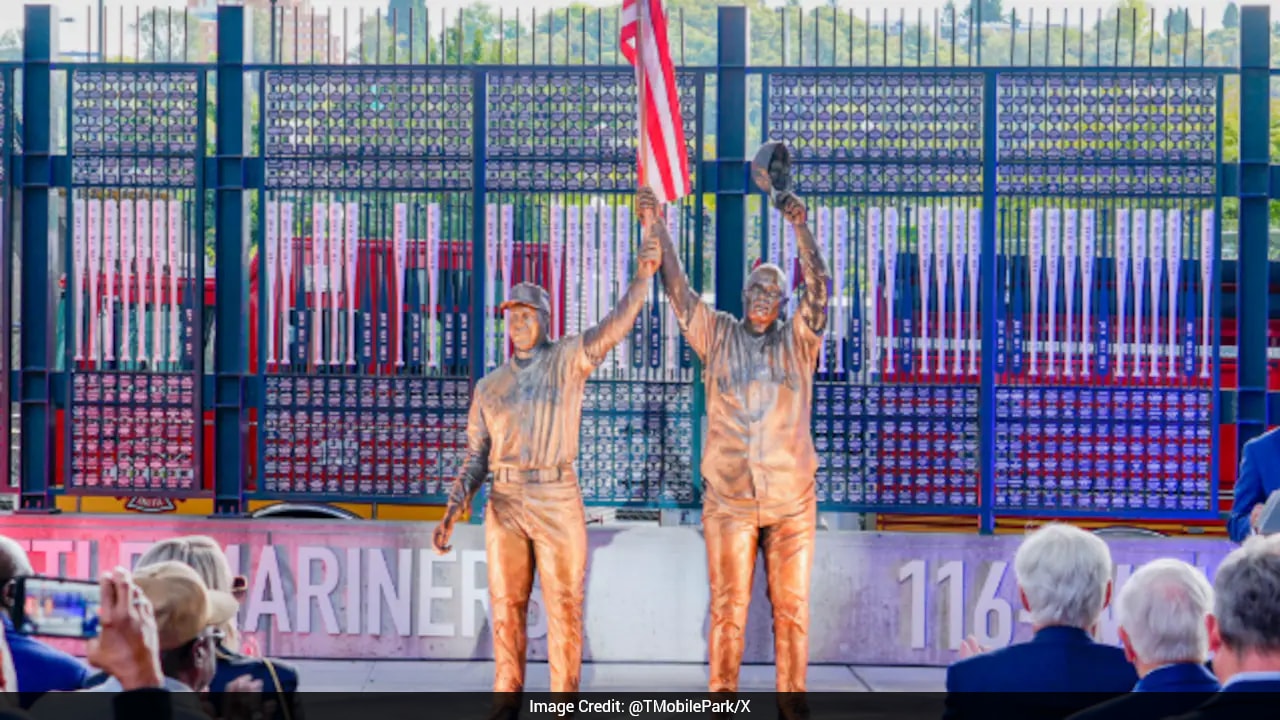
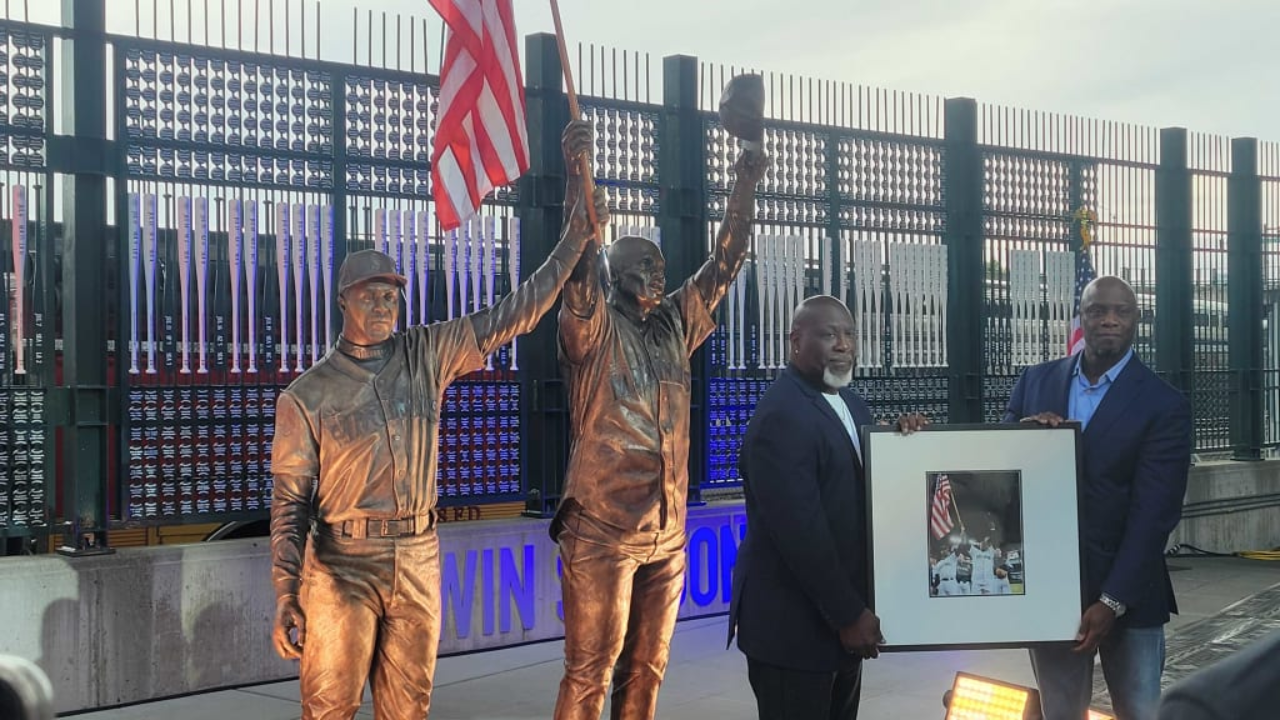
Someone produced an American flag. Not a small souvenir shop banner, but a heavy, standard-issue canvas emblem. They unfurled it. They planted it in the outfield dirt, right there in enemy territory, beneath the stadium lights.
It was a simple gesture. It was also entirely inadequate for the scale of the wound the country had just suffered. Yet, in that exact moment, inadequacy gave way to necessity.
Clang.
The sound of cleats on concrete.
Snap.
The fabric catching the stadium breeze.
Consider what happens next in the collective memory of a sport. Photographs capture the freeze-frame. The players standing in a ragged semicircle. The stars and stripes catching the artificial glow. It became an enduring image of resilience, a touchstone for a fractured country trying to find its footing.
Television cameras zoomed in. Broadcasters lowered their voices. For a few minutes, the box score vanished from the screen, replaced by the quiet dignity of athletes who suddenly realized they were carrying something much heavier than a bat.
A Quarter Century Later
Twenty-five years is a strange distance.
It is long enough for children born that autumn to graduate college, enter the workforce, and view that dark Tuesday as a chapter in a history textbook rather than a memory etched into their nervous systems. Stadiums have been remodeled. Uniforms have changed. The 116-win season of the 2001 Mariners lives on in record books and grainy YouTube highlights, an astonishing statistical anomaly achieved by a roster featuring a young Ichiro Suzuki and a veteran Edgar Martinez.
Time softens the edges of history. It sands down the jagged panic of a morning when the sky fell.
Yet, walk through the concourses of modern ballparks, or talk to anyone who sat in the stands during that particular September, and you will find that the emotional residue remains surprisingly potent. We collect symbols to help us survive the unexplainable. We plant flags in dirt. We sing anthems with cracked voices.
We look for anchors when the current threatens to pull us under.
The Mariners did not save the world that night in Anaheim. They did not heal the grief of families who never saw their loved ones return from the World Trade Center or the Pentagon or a Pennsylvania field. To pretend otherwise would be a cheap narrative trick.
What they did was smaller, and perhaps more enduring. They acknowledged the grief. They stood together in the open air, exposed under the lights, and refused to pretend that everything was normal. They showed that grief and duty could coexist on a diamond, that life could limp forward even when the rules of the game felt entirely rewritten.
The Echo in the Dirt
Decades vanish in a blink.
The players from that 2001 dugout are older now, their hair graying, their playing days long since surrendered to history. The iconic flag has long since been folded, stored away in a vault or a dusty attic box, its colors fading under the slow oxidation of time.
New generations of athletes take the field now, running down fly balls under different lights, chasing different pennants. They carry the weight of modern anxieties, digital scrutiny, and the relentless churn of a twenty-four-hour news cycle.
They may never fully grasp the raw, collective vertigo of that September week unless they experience their own moment where the ground drops out from beneath them. And perhaps that is the ultimate mercy of time.
Yet, every so often, when the stadium goes quiet for a brief moment before the first pitch, and a breeze sweeps across the outfield grass, you can almost hear the snap of that canvas. You can picture those men standing in the dirt, looking up at a flag that could not fix the broken world, but managed, somehow, to hold the line until the morning came.
The game resumes. The pitch is thrown. The crowd roars back to life. But deep in the grain of the sport, the flag remains.