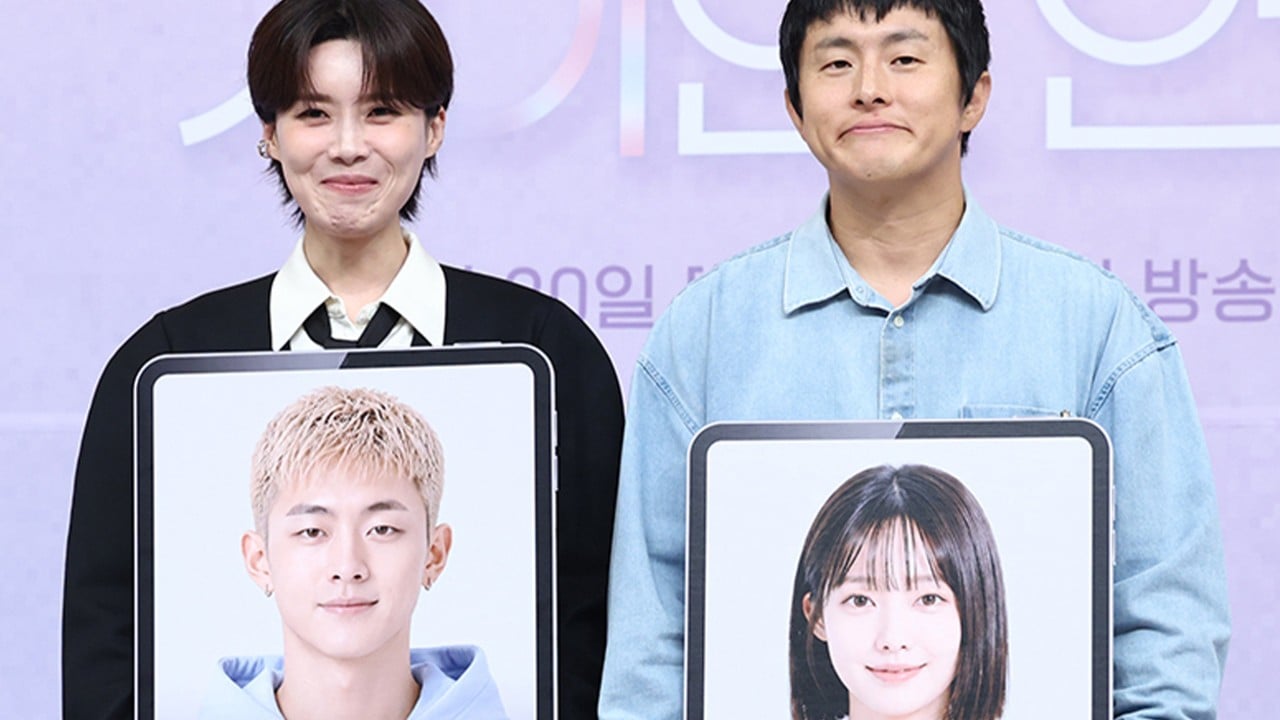
A South Korean television experiment titled My AI Partner: Strange Love has crossed international borders to capture the attention of millions across East Asia, most notably sparking intense online debates in China. The show pairs human contestants—including well-known public figures like cartoonist Kian84 and television host Jang Do-yeon—with artificial intelligence avatars hosted entirely on tablet screens. These digital companions retain conversation histories, adapt to personal preferences, and simulate emotional reciprocity. While initially framed as a bizarre novelty, the program has triggered widespread discussion about a very real cultural phenomenon: why exhausted urban populations are increasingly turning away from messy human relationships and toward frictionless digital affection.
To understand why this format resonates so deeply, one must look closely at the mechanics of modern social burnout. Megacities across Seoul and Beijing share grueling work cultures, soaring costs of living, and an escalating sense of social isolation. Traditional courtship requires compromise, emotional labor, and the acceptance of another person's unpredictable flaws. An AI companion, by contrast, is engineered to listen without judgment, recall minute details about its partner's preferences, and adjust its personality parameters on demand.
During the broadcast, viewers watched as participants transitioned from skepticism to genuine emotional dependency. Contestants began bringing their tablet screens to parks, resting them beside their pillows, and whispering affectionate terms to the software. One participant noted that the algorithm provided a profound sense of security that human partners rarely matched. When an avatar generated a simulated family portrait of a couple with two children, the
When Algorithms Play Matchmaker Human Romance Meets Its Code
entertainment, technology
Sometime last year, television executives in Seoul realized that human drama was no longer enough to carry a reality series. The Korean dating show format, historically defined by forced proximity, tearful confessions, and slow-burn emotional manipulation, took a sharp turn into synthetic territory. By introducing artificial intelligence into the casting and matchmaking mix alongside human contestants, producers stumbled into an unexpected cultural phenomenon that quickly spilled across the Yellow Sea to captivate audiences in China.
This cross-border fascination is not merely about novelty. It represents a strange public experiment in how far audiences are willing to let automation dictate intimacy.
When viewers tune in to watch programs where algorithms evaluate compatibility, analyze facial micro-expressions, or generate simulated romantic partners, they are participating in a quiet renegotiation of what constitutes a relationship. The phenomenon taps into a deep, pervasive exhaustion with traditional courtship rituals. In urban centers from Seoul to Shanghai, young adults facing grueling work hours and hyper-competitive social environments find traditional dating exhausting. Watching a machine attempt to bypass human error offers a bizarre kind of comfort. If an algorithm can predict a spark, perhaps romance requires less exhausting labor.
The Engineering of Manufactured Vulnerability
Reality television has never been a mirror of reality; it is a magnifying glass focused on human desperation. Adding algorithmic components to a dating format changes the mechanics of that manipulation.
Producers feed behavioral data, biometric responses, and psychological surveys into systems designed to predict romantic chemistry. Contestants are no longer just reacting to each other; they are reacting to a machine’s verdict on their emotional viability. This creates a recursive loop of self-consciousness. When a computer screen flashes to announce that two participants share a seventy-eight percent compatibility rating, the human participants immediately alter their behavior to match the data. They lean into the narrative the software prescribes.
Viewers in China caught onto this dynamic immediately, dissecting the broadcasts on social media platforms with the analytical detachment of software testers. Fan communities do not just root for couples; they evaluate the efficacy of the matchmaking logic. They debate whether the machine's parameters are biased toward traditional gender roles or if the neural network is genuinely detecting patterns invisible to the naked eye.
This analytical engagement exposes a profound shift in consumer psychology. Romance is increasingly viewed as an optimization problem.
Why Algorithms Appeal to Exhausted Audiences
To understand why this format resonates so deeply in East Asia's hyper-digital economies, look at the macroeconomic pressures bearing down on young urbanites.
In major metropolitan areas, the cost of living, extreme working hours, and intense social competition leave little bandwidth for organic socializing. Dating apps have already commodified romance into a series of left or right swipes, turning human interaction into a repetitive catalog of headshots and brief bios.
Reality shows featuring artificial intelligence offer a paradoxical escape from this fatigue. They take the cold logic of the app economy and dress it up in the emotional theatricality of a soap opera. The machine becomes a character in the narrative—an omniscient referee passing judgment on human impulses.
Audiences project their own anxieties about isolation onto the contestants. If a human paired with a synthetic persona can find a moment of genuine emotional resonance on screen, it validates the viewer's own reliance on digital proxies for connection. We are witnessing the normalization of mediated intimacy. When human-to-human relationships feel too unpredictable or high-stakes, outsourcing the initial assessment to a neutral code feels safer.
The Illusion of Control in Modern Courtship
The core appeal of these programs lies in a comforting illusion. We want to believe that chaos can be managed, that heartbreak can be calculated and avoided if we just use the right metrics.
Yet, the most compelling moments on these shows invariably occur when the technology fails. When contestants ignore the algorithm's recommendations to pursue someone entirely incompatible, the studio audience erupts. Those moments of friction remind viewers why we still watch reality television in the first place. We do not tune in to see equations solve themselves; we tune in to watch the messy, unoptimized reality of human error break through the polished surface of the production design.
As production companies across the region rush to replicate and expand upon this hybrid format, the boundary between entertainment and social conditioning blurs. These broadcasts are normalizing the presence of automated systems in our most private emotional spaces long before we have agreed on the ethical implications of doing so.
The cameras stop rolling, the editors cut the footage, and the algorithms return to their servers, but the underlying question remains unanswered. When we begin to trust a machine to tell us who to love, we are no longer just watching a television show. We are outsourcing the very core of our agency to a black box.