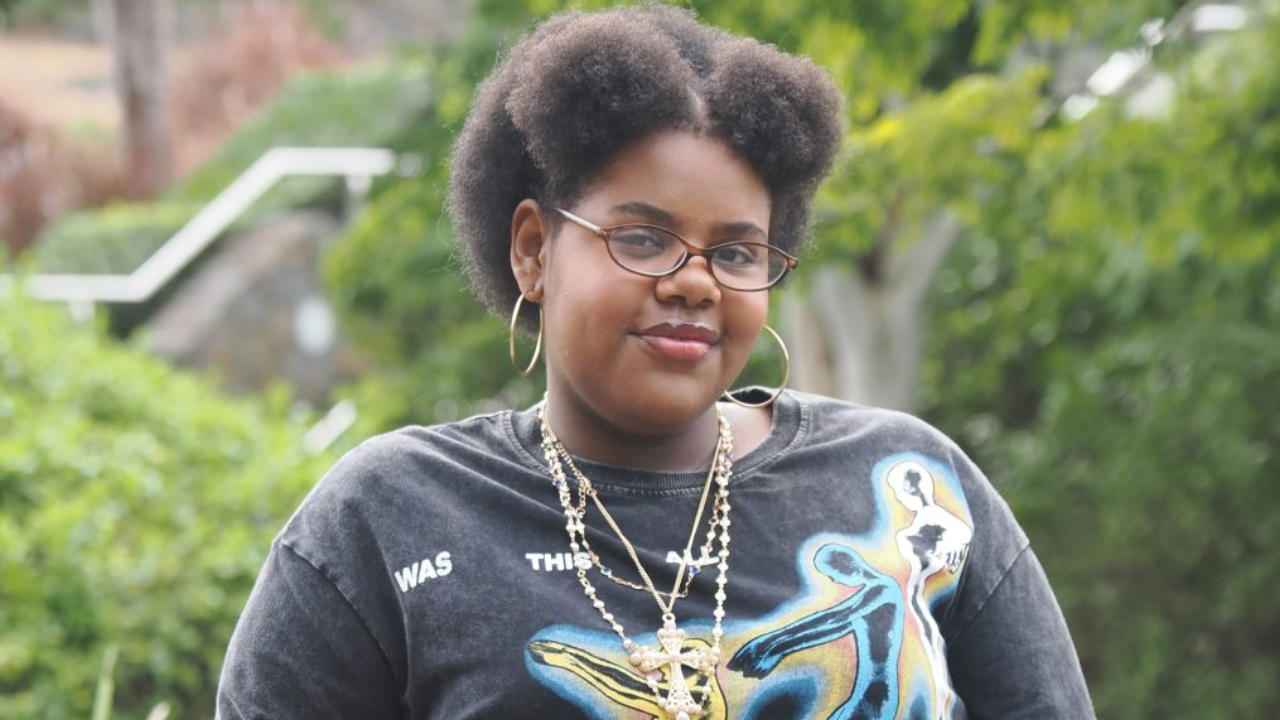
Fifteen-year-old Daisha Auda did not step onto the grand final stage of The Voice Australia backed by a lifetime of elite vocal coaching, high-priced industry handlers, or a privileged metro upbringing. Operating out of Logan, Queensland, and carrying the profound cultural weight of being the first Torres Strait Islander to reach the show's final showdown, Auda's trajectory represents something rarer than television talent: an unfiltered collision of raw instinct, digital-age self-education, and historic representation on commercial networks.
When she secured a four-chair turn during her blind audition singing Lizzo's "Cuz I Love You", the mainstream media machine rushed to frame her as an overnight prodigy. That framing is lazy. Talent shows love the mythology of sudden discovery, but the reality behind Auda's rise points to a fundamental shift in how regional youth access artistic mastery. With no formal background training, her development relied entirely on daily self-guided practice, online performance study, and community grounding. You might also find this connected article interesting: The Man Who Turned Empty Nights Into A Stage For The Soul.
The mechanics of modern franchise television demand narrative arcs—peril, redemption, and transformation. Auda provided all three, notably when she survived elimination and transitioned under the save option to Team Kate (Miller-Heidke). Yet reducing her presence in the final four alongside artists like Yung Milla to a simple reality TV triumph misses the structural barrier she broke. First Nations and Torres Strait Islander artists have long faced systemic hurdles entering prime-time commercial spaces, where aesthetic and vocal norms have historically favored a narrow mold. Auda's presence in the 2026 finale shifted that center of gravity.
Her song choices across the season—from Janelle Monáe’s "Tightrope" to Andra Day’s "Rise Up" and ultimately Janet Jackson's "Together Again"—demonstrated a vocal maturity that defied her age. More importantly, they underscored an artist who understood performance as an emotional conveyance rather than vocal gymnastics. As extensively documented in latest articles by Variety, the effects are widespread.
The cameras have since faded from the studio lights, leaving Auda to return to the realities of high school in Logan. The $100,000 prize and recording packages often fuel industry hype cycles, but the true test for artists emerging from regional hubs lies in navigating the commercial aftermath without losing their cultural anchor. Auda has publicly stated her intent to remain based in Brisbane, writing and releasing music on her own terms while managing her education.
As the noise of the television ratings settles, her run serves as a case study in decentralizing Australian pop culture. The next wave of national icons is not being manufactured in executive boardrooms or elite inner-city conservatories; they are teaching themselves in suburban bedrooms, streaming technique across fiber-optic networks, and stepping onto national stages completely unbowed by the industry's traditional gatekeepers.
Daisha Auda - Together Again (Janet Jackson) - The Voice Australia 2026 Grand Final
This performance from the grand final showcases the vocal control and stage presence that defined her historic run on the program.