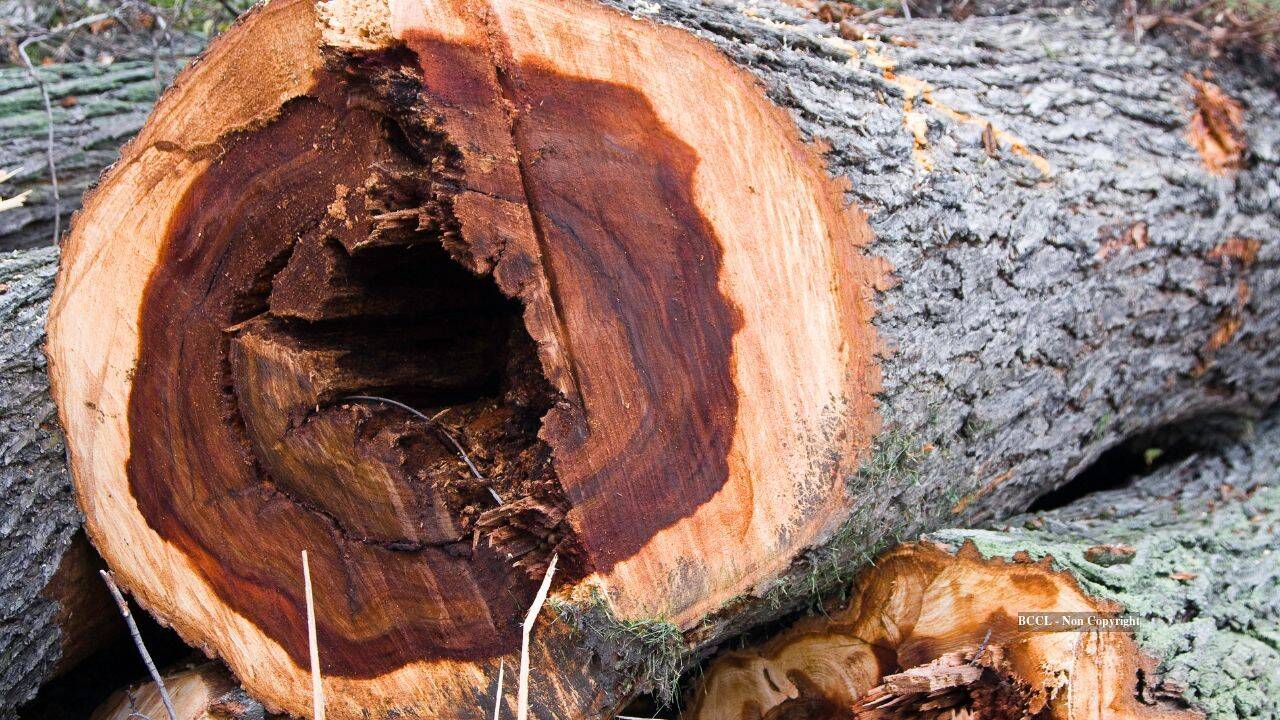
Dutch elm disease nearly wiped out an entire ecological identity across North America and Europe. Whole towns lost their shade. Historic avenues turned into graveyards of rotting timber. For decades, arborists played defense. They pruned infected branches too late, injected expensive fungicides that barely worked, and cut down magnificent giants before the beetles could spread the fungus further. It was a losing battle.
Now, researchers are changing the playbook entirely. They aren't waiting for nature to take its course. Instead, scientists are taking thousands of young elm trees and deliberately infecting them with the deadly fungus. It sounds reckless. It feels counterintuitive. But this aggressive inoculation strategy might be the only way to save iconic elms from permanent extinction.
The Brutal Reality of Dutch Elm Disease
If you haven't seen the destruction firsthand, it's hard to grasp the sheer speed of Dutch elm disease. The culprit is a microscopic fungus called Ophiostoma novo-ulmi. European elm bark beetles act as the delivery service, carrying sticky fungal spores from tree to tree under their wing covers.
Once the spores enter a tree's vascular system, things go sideways fast. The tree reacts to the foreign invader by plugging its own water-transporting vessels to trap the infection. That defense mechanism backfires. The tree starves itself of water and nutrients. Within weeks, lush green canopies turn brown, brittle, and dead.
Traditional conservation methods failed because they relied on luck. Arborists searched old forests for survivor trees that seemed naturally resistant. They cloned them. They planted them in controlled environments. But when those clones faced high-pressure wild environments, many of them folded. They hadn't been tested under real combat conditions.
Why Deliberate Inoculation Changes the Game
Hope isn't a strategy. Testing is. By taking thousands of young nursery-grown elms and injecting them directly with the pathogen, researchers force a brutal survival-of-the-fittest trial. Weak trees die quickly. Strong trees fight back, compartmentalize the damage, and keep growing.
This controlled exposure mimics decades of natural selection in a single growing season. You find out immediately which genetics hold up. You stop wasting time, money, and land on trees that look great in a greenhouse but collapse at the first sign of a spore.
Tree breeding programs take generations. Elms don't reach reproductive maturity overnight. By screening thousands of saplings simultaneously, scientists can fast-track the identification of elite, disease-tolerant cultivars. You breed the survivors. You plant their offspring. You build a resilient population.
The Logistics of Mass Infection
Infecting six thousand young trees isn't a weekend DIY project. It requires surgical precision and massive scale. Field researchers work through nurseries with hypodermic syringes loaded with precise spore counts. Every single tree gets tagged, mapped, and monitored on a strict timeline.
You measure the wilt percentage. You track leaf retention. You check whether the vascular tissue shows staining months after exposure. It's tedious, grueling field science.
Most trees show severe symptoms. Many of them get chipped and destroyed to prevent secondary spread to local wild populations. But a small percentage—often less than five percent—show remarkable tolerance. Those few individuals become the bedrock of future urban forests.
What This Means for Your Backyard
You might wonder why you should care about a tree breeding program happening miles away in a research station. You should care because your local municipality is running out of options. Municipal budgets bleed money every year removing dead urban elms from streets and parks.
When resistant strains finally hit commercial nurseries, you'll have a real choice when landscaping your property. You won't have to plant fragile ornamentals that require constant chemical treatments just to survive their first decade. You can plant an elm that actually stands a chance against local beetle populations.
Species preservation requires hard choices. Sometimes you have to break a few eggs to make an omelet. Or in this case, you have to infect thousands of saplings to save millions of mature trees. Support local conservation groups that fund native tree breeding initiatives. When you buy trees for your property, ask for disease-tested cultivars rather than generic stock. Stop planting vulnerable varieties that require artificial life support. Plant for the future.