The earth here remembers every stone thrown. It holds the weight of centuries, of boots grinding topsoil into dust, of iron tracks and concrete barriers creeping across valleys that once fed entire generations on olive oil, figs, and patience.
To understand what is happening in the West Bank hills, you must first understand the grammar of an olive tree. A tree is not merely a collection of wood and leaves. It is a generational ledger. When a farmer plants a sapling, they are writing a contract with a future they will never touch. Their grandchildren will harvest the oil. Their great-grandchildren will sit in its shade.
This is why destruction here is never accidental. It is systematic.
Consider a hypothetical morning in the South Hebron Hills, anchored in the daily reality documented by human rights monitors and agricultural cooperatives across the territory. A farmer named Ibrahim walks out before dawn. The air is cold, smelling of dry dust and distant woodsmoke. For forty years, his boots have found the exact same dip in the limestone path. But today, the path ends in silence.
The orchard is gone.
Thirty ancient trees, trunks thick as an old man's torso, lie snapped at the base. Their silver-green leaves are already turning the brittle brown of old parchment. Surrounding them are the fresh, deep gouges of bulldozer treads and the shattered remains of dry-stone terracing—terraces built by hand, rock by heavy rock, by ancestors who understood that water must be coaxed down a slope, not allowed to wash it away.
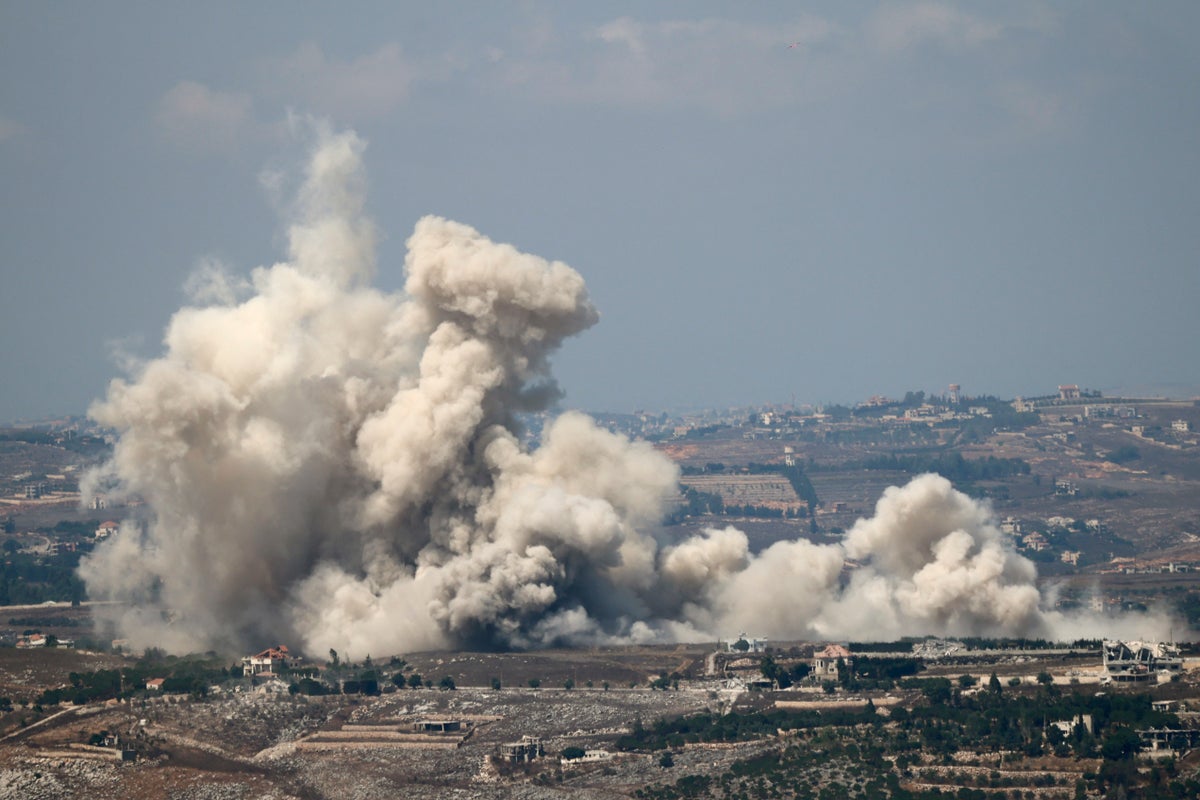
Violence in this landscape often arrives with noise, shouting, and smoke. But the aftermath is dead quiet.
Why target a tree? Because an olive tree is a declaration of presence. Under Israeli military law and administrative zoning in Area C—which makes up over sixty percent of the West Bank—obtaining a permit to build a home, dig a well, or even plant an orchard on Palestinian land is functionally impossible for Palestinians. Conversely, unauthorized outposts established by Israeli settlers expand outward, backed by systemic protection and infrastructure. When an orchard is uprooted, or a cistern is smashed with sledgehammers, the message is chillingly clear: make the land unlivable, and the people will eventually leave.
We see the statistics in dry quarterly reports from organizations like OCHA. Thousands of trees lost. Dozens of structures demolished. Acres of grazing land declared off-limits.
Numbers lie because they whisper when they should scream. They reduce human displacement to a spreadsheet column.
Let us look closer at the mechanics of resilience. Because destruction is only the first half of the story. The second half—the part that defies the logic of displacement—begins the moment the bulldozers leave.
Rebuilding an olive grove after an attack is an exercise in stubborn defiance. It requires capital that families rarely have, physical labor under the constant threat of harassment, and an emotional fortitude that defies comprehension. When Ibrahim stands before his broken orchard, he does not pack his bags. He sharpens his shovel.
(Note: While Ibrahim is a composite character representing the lived experiences of West Bank farmers chronicled by groups like the Union of Agricultural Work Committees, his actions mirror the exact steps taken by hundreds of families every single season.)
First comes the clearing. The shattered trunks must be hauled away, though even the dead wood is saved for winter heat, nothing wasted. Then, the stone walls must be repaired. This is architecture without blueprints. Every rock has a face, a specific angle that locks it into the slope. If a single stone is placed incorrectly, the winter rains will undermine the entire structure. It is a craft passed down through blood and sweat, silent and methodical.
Next comes the planting. New saplings are brought in—hardy local varieties like the Nabali, chosen because they know this soil, because their roots can chase moisture down through meters of fractured limestone.
They plant knowing the risk. They plant knowing that next month, or next year, the same machinery might return.
There is a profound vulnerability in this act. To plant a tree when you know it might be destroyed is to accept heartbreak as a daily cost of living. Yet they do it anyway. Solidarity activists from international organizations and Israeli peace groups often join them, standing shoulder-to-shoulder in the dirt, creating a human buffer against settler violence during the vulnerable planting weeks.
This cooperative labor is more than physical help. It is a psychological lifeline. It tells the farmer: you are not invisible. The world outside these hills has not entirely looked away.
History teaches us that agrarian societies are extraordinarily difficult to uproot as long as they remain tethered to their soil. Empires rise, bureaucratic restrictions tighten, military orders shift, but the farmer returns to the furrow. The connection is visceral. When you sweat into the dirt, the dirt becomes part of you. To leave is to sever a limb.
We often talk about geopolitics as if it happens in glass-walled conference rooms in Geneva or Washington, shaped by handshakes and press releases. But geopolitics is ultimately decided on hands and knees in the red mud of a hillside in the West Bank. It is decided by whether a man decides to lay down his shovel or pick it back up.
The sun dips below the ridge, casting long, sharp shadows across the newly mended terraces. The young saplings stand straight and fragile in the evening wind, tied to wooden stakes to keep them from snapping in the gale. They look impossibly small against the vast, indifferent hills.
Ibrahim runs a calloused hand over the damp earth surrounding the newest root ball, then stands up, wipes his palms on his trousers, and looks out toward the horizon where the lights of a settlement glow against the darkening sky. He does not smile. He does not cheer. He simply turns back toward his home, knowing the work begins again tomorrow.