The collateral damage of modern geopolitical conflict rarely lands cleanly on a battlefield. Far from the naval skirmishes in the Persian Gulf and the burning refineries of the Middle East, the fallout of the current United States and Israeli military campaigns against Iran is quietly eroding the future of rural children in Southeast Asia. In Cambodia, soaring fuel prices driven by maritime trade choke points have transformed basic schooling into an unaffordable luxury for the poorest households, triggering an invisible educational retreat that threatens an entire generation.
When crude oil spikes following supply disruptions in the Strait of Hormuz, the shockwaves travel thousands of miles down fragile economic chains. Cambodia imports one hundred percent of its refined fuel, predominantly channeled through regional hubs like Singapore. As global energy benchmarks climbed in response to military escalations, local retail gasoline and diesel prices at Cambodian pumps jumped significantly. For urban consumers, this manifests as painful inflation at the grocery store and higher transit costs. For impoverished families living on the margins of the Tonle Sap—Southeast Asia's largest freshwater lake—it represents an immediate financial breaking point.
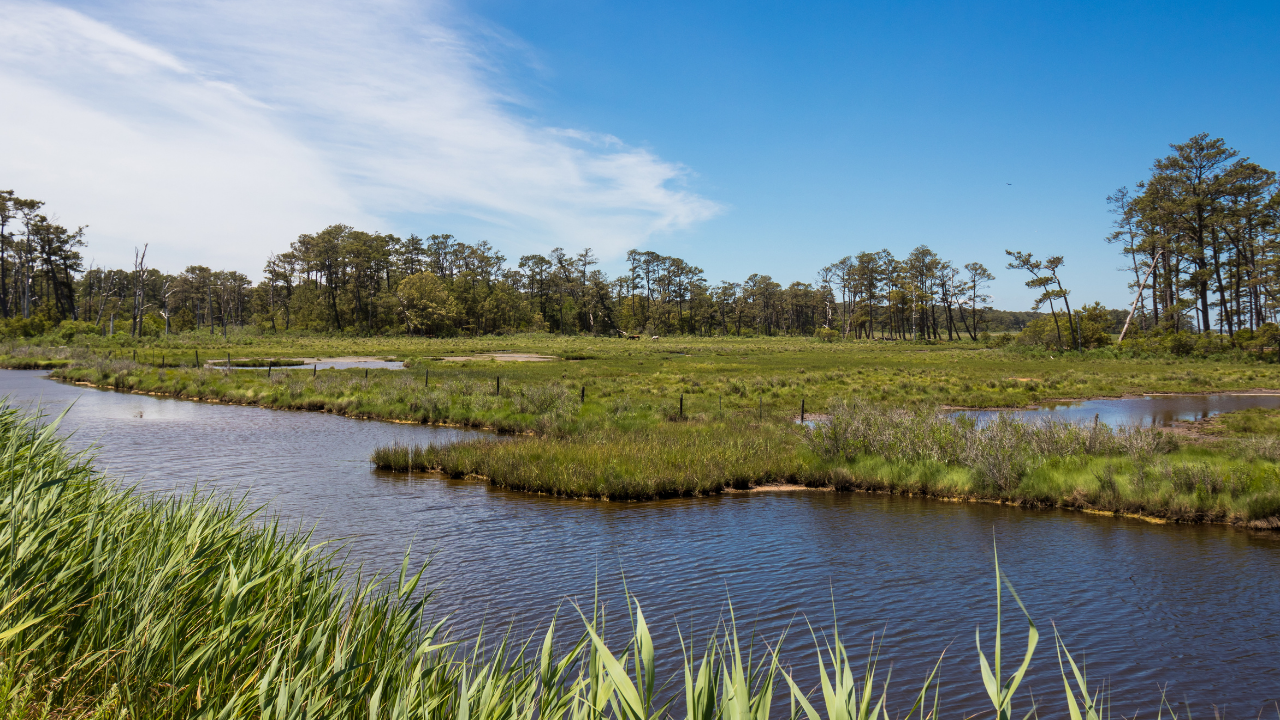
Life on the Tonle Sap dictates a heavy reliance on water transport. Children routinely travel to school by motorized wooden boats, navigating expanses where roads do not exist. When fuel costs triple, the simple act of sending a child across the lake becomes an untenable household expenditure. Parents are forced into cruel calculations. They must weigh the price of a liter of boat fuel against basic sustenance, rent, and electricity.
The mechanics of this crisis extend far beyond the commute. Higher diesel prices paralyze local fishing fleets. Boat owners who can no longer afford to take their vessels out to deeper waters lose their livelihoods, plunging debt-laden families deeper into destitution. When household income collapses, children are pulled from classrooms. Some are sent to urban centers or neighboring countries to work illegal odd jobs in restaurants or manufacturing, trading their education for immediate survival wages. Non-governmental organizations operating on the ground report a sharp rise in child labor pressures as rural communities enter economic triage mode.
Compounding the problem, the national fiscal space narrows as the government absorbs mounting macroeconomic shocks. State budgets strained by global energy volatility have less capacity to subsidize rural educational infrastructure, distribute learning materials, or maintain remote outreach programs. Classrooms that depend on imported electricity and diesel-powered generators face escalating operational costs, forcing community educators to scale back services just as vulnerability peaks.
This dynamic shatters the comforting illusion that localized military interventions remain contained within their geographic regions. Modern globalization ensures that a missile strike in the Middle East directly deprives a Cambodian child of a textbook, a boat ride, and a classroom. Without targeted international interventions to cushion energy-importing developing nations from systemic supply shocks, the quiet abandonment of rural education will leave scars that persist long after the smoke clears.
Watch this video overview on the Iran war's impact on Cambodian education to see firsthand how rising fuel costs are forcing families on the Tonle Sap to choose between survival and schooling.