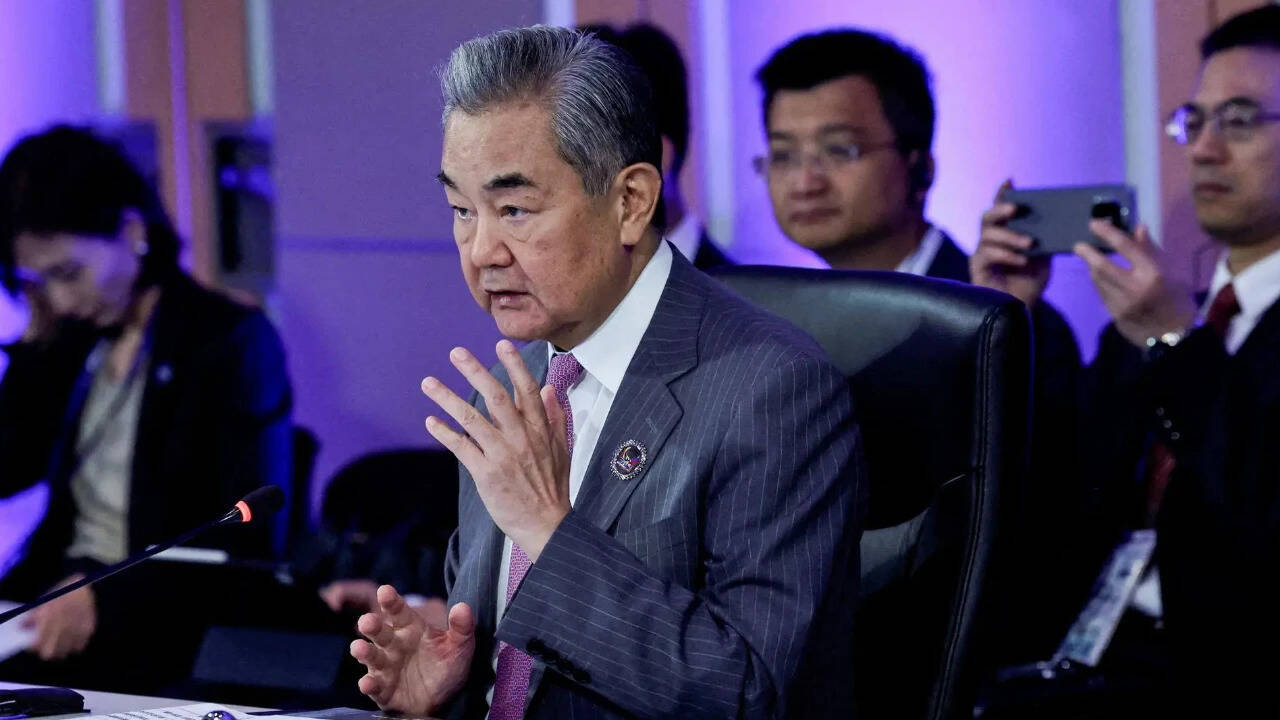
Foreign policy commentators love a simple narrative. Hand them a headline about leadership changes in Washington and watch them scramble to dust off the same tired geopolitical playbook. The lazy consensus claims that any shift in American diplomatic posture pushes Seoul directly into the waiting arms of Beijing. Analysts point to geographic proximity and trade volume as if foreign policy were a middle school cafeteria seating chart.
This view is aggressively wrong.
Seoul is not running to Beijing just because Washington recalibrates its regional security posture. Treating South Korea as a passive satellite state caught between two heavyweights ignores the sophisticated, hyper-pragmatic economic sovereignty that drives modern middle powers.
The Trade Fallacy That Keeps Pundits Employed
Look at any mainstream analysis of Northeast Asian trade dependencies, and you will see breathless warnings about South Korean reliance on Chinese supply chains. These commentators treat raw export statistics as proof of absolute political subordination.
I have seen corporate boards and government advisors panic over quarterly customs data, assuming that a drop in chip shipments to the mainland means Seoul is losing its geopolitical footing. This is amateur hour.
Trade volume does not equal vassalage. South Korea spent the last decade systematically insulating its critical technology sectors through aggressive diversification. Seoul understands economic security better than the think-tank crowd giving them advice. When Beijing attempted economic coercion during previous diplomatic spats, South Korean conglomerates did not fold. They accelerated their pivot toward Southeast Asia, India, and domestic manufacturing resilience.
The Security Paradox Nobody Wants to Admit
The conventional framing assumes that any diplomatic friction between Washington and Seoul forces South Korea to seek a security guarantor elsewhere. This ignores the primary driver of South Korean defense strategy: extreme realism.
Seoul maintains the most potent conventional deterrent force in the region because it refuses to outsource its survival to anyone, let alone a rising power that actively facilitates its primary existential threat. The idea that a diplomatic adjustment from an American administration would cause South Korea to trust its security to Beijing is historical illiteracy.
Beijing views regional stability through the lens of its own perimeter control, while Seoul views security through total existential survival. Their interests do not align. They never have. Pretending that a transactional shift in American diplomacy triggers a wholesale realignment toward Beijing is a severe analytical error driven by people who measure foreign policy in soundbites rather than structural incentives.
Stop Treating Middle Powers Like Chess Pieces
The core mistake lies in treating sovereign democracies as chess pieces on a grand board controlled entirely by superpowers. South Korea is not waiting for permission or direction from Washington to manage its neighborhood.
Seoul conducts diplomacy with Beijing out of cold, hard necessity, not emotional romance or strategic surrender. They manage their giant neighbor with the precise calculation of a nation that sits on the front lines of actual geopolitical friction. They balance, they hedge, and above all, they protect their own leverage.
Stop looking at Seoul through the lens of panic. Start looking at them as the masters of strategic autonomy they have quietly become.
The next time a headline warns of Asian realignments, look past the recycled buzzwords and check who is actually holding the economic cards. It is rarely the country panicking in the headlines.