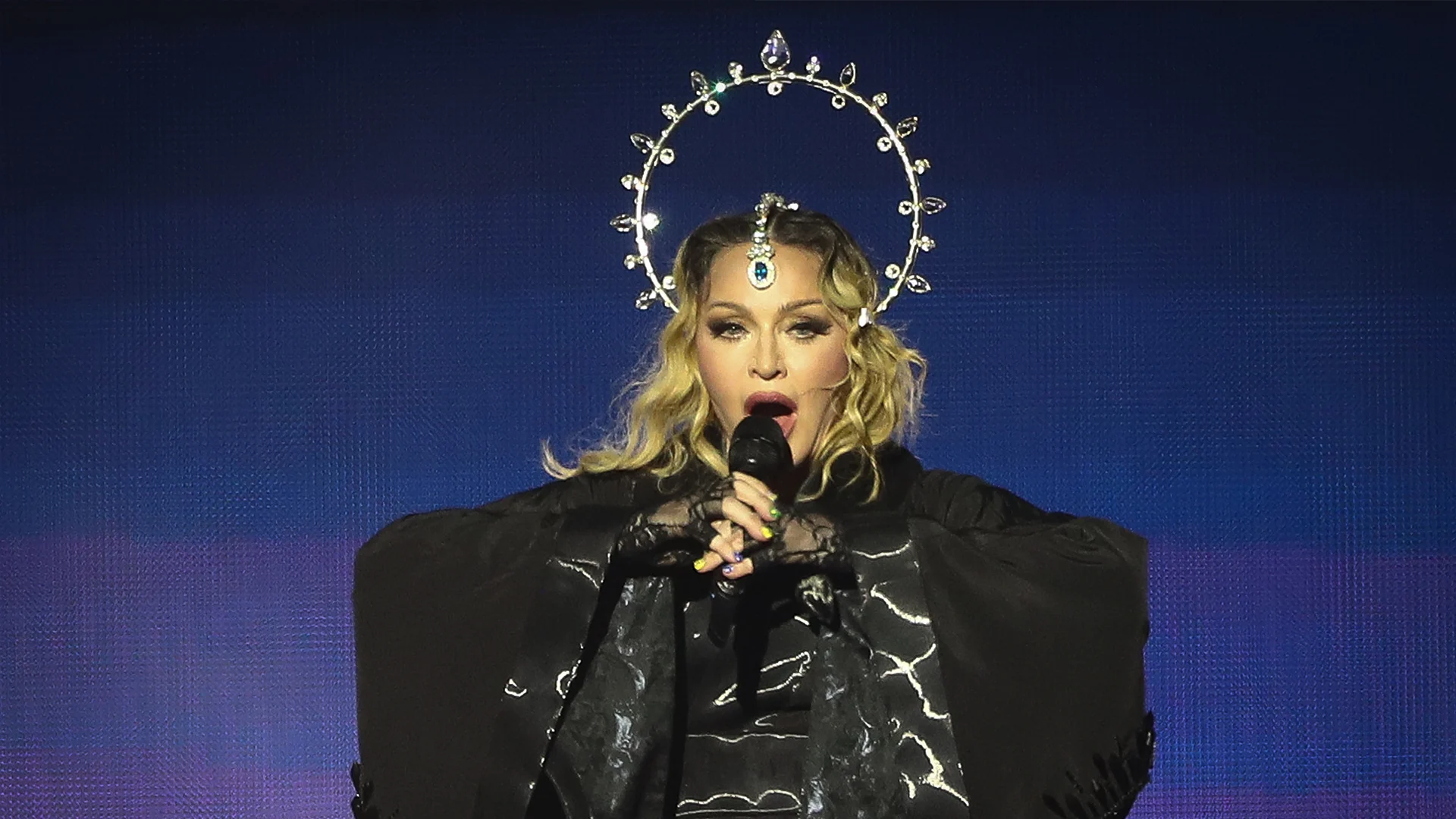
The announcement of the 2026 MTV Video Music Awards nominations exposes a fundamental operational tension within modern music industry recognition systems. By awarding Madonna eleven nominations—placing her at the top of the ballot ahead of Taylor Swift at nine—the network has prioritized historical institutional equity over real-time consumption velocity. This structural choice provides a clean case study in how legacy cultural institutions value longevity metrics versus current streaming algorithms, reframing an annual pop music ceremony as an exercise in institutional preservation.
To decode why an artist with modest current radio rotation can dominate a major contemporary ballot, one must analyze the incentive structures governing the production and broadcast of the event. Modern award shows function primarily as live-television event products dependent on multi-platform distribution and high-retention live audiences. Consequently, the nomination mechanism operates less like a pure meritocratic audit of weekly chart positions and more like an optimized resource allocation model designed to maximize broadcast viewership, secure high-tier ad revenue, and drive fan engagement loops across digital properties. If you enjoyed this piece, you should check out: this related article.
The Mechanics of Institutional Longevity
Madonna’s position atop the 2026 ballot, fueled by projects like Confessions II and associated visual media, demonstrates how legacy brand equity operates within voting bodies and curation committees. Rather than measuring single-week streaming peaks, the nomination distribution rewards multi-decade persistence.
- The Decade-Span Variable: Madonna remains the sole artist to secure competitive nominations across every single decade of the award show's operational history. This creates a statistical outlier effect that curation systems naturally lean toward when seeking narrative gravity.
- The Technical Category Capture: Eleven nominations span heavy technical metrics including art direction, cinematography, editing, choreography, and visual effects. These categories evaluate production design and execution depth rather than passive audience consumption, favoring high-budget conceptual art pieces over viral audio snippets.
- The Historical Anchor: Holding 19 competitive wins alongside a 1986 Video Vanguard honor provides a baseline gravity that alters how voters perceive new material, insulating long-standing creators from the churn of short-form algorithmic trends.
This dynamic explains the friction observed among contemporary consumer bases. When standard consumption metrics—such as daily Spotify streams or TikTok audio trends—diverge sharply from professional nomination tallies, audiences accuse voting bodies of arbitrariness. However, this friction stems from a conceptual mismatch: consumers measure weekly popularity, whereas broadcast producers measure multi-generational pull. For another look on this story, check out the recent update from Variety.
The Taylor Swift Threshold and Historical Saturation
While Madonna commands the volume of nominations, Taylor Swift anchors the broadcast's historical stakes. Sitting at thirty career wins—tied directly with Beyoncé—Swift enters the ceremony requiring only a single victory to claim the outright title of most-awarded artist in VMA history.
This creates a distinct mathematical asymmetry for the network:
$$P(\text{Viewership Surge}) = f(\text{Historical Record Proximity}) \times \text{Fanbase Mobilization Index}$$
The proximity of a historic threshold functions as an external catalyst for engagement. Swift’s nine nominations, spanning major categories like Artist of the Year and Video of the Year for works like The Fate of Ophelia, ensure that every segment of the live broadcast carries high-stakes narrative tension.
Unlike legacy entries that rely on historical prestige, Swift represents contemporary structural dominance. Her nomination profile bridges the gap between raw consumption data and traditional institutional validation. The co-presence of Madonna and Swift at the top of the list effectively hedges the network's bets across two distinct demographic segments: legacy viewers seeking nostalgia and cultural establishment, and modern digital natives driving real-time fan-voted metrics.
The Secondary Tier and Curation Distribution
Beneath the dual-lead structure of Madonna and Swift sit secondary groupings featuring Ariana Grande and Sabrina Carpenter at seven nominations each, followed by Bruno Mars, PinkPantheress, and Zara Larsson at five. This tier distribution reveals a deliberate horizontal spread designed to prevent single-artist monopoly while maintaining broad fan-base participation.
Fan-voted categories introduce a behavioral feedback loop. Because voting windows remain open online for weeks leading up to the live broadcast on CBS and Paramount+, networks utilize the nomination architecture to stimulate active digital participation.
- The Engagement Funnel: Distributing nods across diverse fan bases—including international K-pop configurations like Blackpink's Lisa and domestic pop acts—maximizes unique visitors to voting portals.
- The Attendance Optimization Loop: Historically, major networks curate nomination shortlists to incentivize live physical attendance. Nominating artists across technical and main categories provides a strong commercial imperative for creators to perform, securing the live-event visual assets required for broadcast success.
Strategic Outlook for Cultural Broadcasters
The 2026 nomination outcomes prove that modern music awards cannot survive on pure algorithmic charts alone. Algorithms reward velocity, repetition, and hyper-targeted niche streaming; television broadcasts require broad narratives, generational clashes, and historic milestones to retain relevance in a fragmented media ecosystem.
When curation teams balance a legacy icon breaking multi-decade records with a contemporary powerhouse sitting on the precipice of an all-time victory, they construct a resilient broadcast framework. The strategic play for upcoming cycles relies on maintaining this dual-engine design: using data-driven consumption models to capture current market share, while deploying legacy weight to preserve institutional authority.