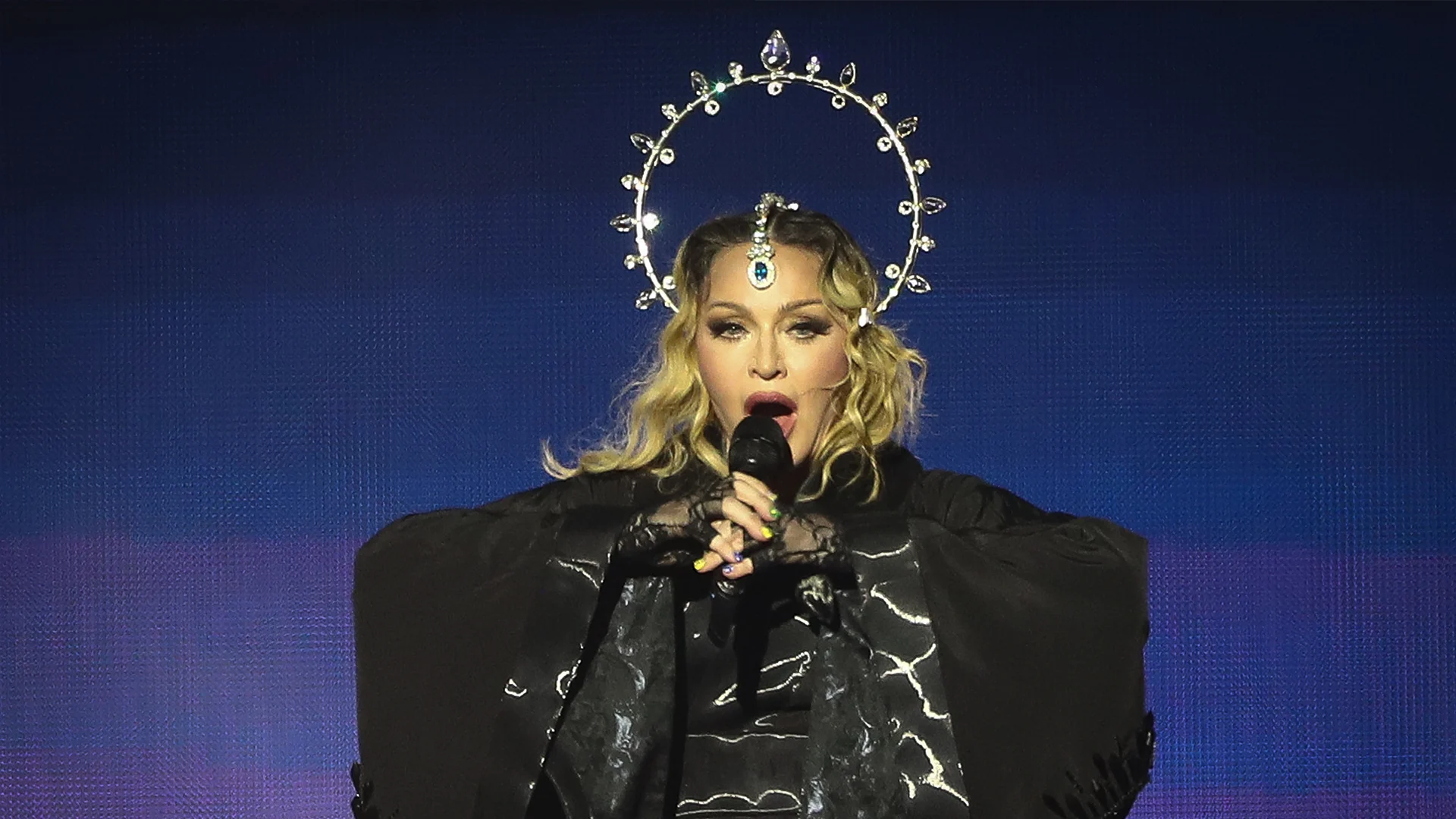
Madonna leads the 2026 MTV Video Music Awards nominations with an astonishing eleven nods, securing her dominance across four separate decades of pop music history. Yet this massive haul has triggered a fierce industry debate over institutional nostalgia versus contemporary commercial impact.
When MTV rolled out its nomination metrics for the upcoming September ceremony, the sight of a 68-year-old icon towering over a field of modern streaming giants sent immediate shockwaves through the music business. Her studio album sequel, Confessions II, and its accompanying short film, alongside her Sabrina Carpenter collaboration "Bring Your Love," cemented her presence in top-tier categories like Artist of the Year, Video of the Year, and Song of the Year.
Critics on social media quickly mobilized, questioning whether an artist who commands lower streaming radio dominance than younger competitors actually earned an eleven-nomination sweep. Others dismissed the unprecedented recognition as a calculated legacy play by a network desperately seeking headline-grabbing shock value. Beneath the superficial internet outrage lies a more complex structural reality about how awards ceremonies operate when legacy acts refuse to fade quietly into the background.
The Mechanics Behind the Nominations
Awards panels do not operate in a vacuum. MTV faces a distinct demographic dilemma in 2026. Traditional cable viewership continues its slow bleed, and live music award broadcasts rely heavily on cross-generational event viewing to survive.
Madonna represents a rare bridge across eras. Her career spans the birth of the Video Music Awards itself, having taken home the inaugural Video Vanguard Award back in 1986. By honoring Confessions II — The Film across technical categories like cinematography, editing, art direction, and choreography, the voting blocks are signaling appreciation for high-concept visual art that requires a budget and a vision rarely matched by quick-turnaround TikTok-driven releases.
Take the technical nods as a case study. Directorial precision, elaborate set design, and long-form visual narratives cost money and demand logistical execution. When a veteran artist invests heavily in a sweeping conceptual visual project, industry peers on nomination committees notice. They evaluate the craft differently than raw chart-position algorithms.
Yet, numbers matter. Taylor Swift sits directly behind her with nine nominations, eyeing a historic milestone that would push her past existing records to become the most decorated artist in VMA history with just a single win. Ariana Grande and Sabrina Carpenter trail closely with seven apiece. The juxtaposition of Swift's relentless, hyper-modern chart dominance against Madonna's calculated, episodic returns creates a fascinating ideological battleground for the trophies.
The Generational Friction Point
The tension surrounding this year's ballot highlights a broader cultural fatigue. Younger pop consumers often view mainstream award shows as out-of-touch relics that lean on heritage acts for ratings.
When an artist gets nominated for Song of the Year alongside artists driving billions of daily streams, questions of meritocracy inevitably surface. Is a nomination a reward for current cultural saturation, or is it a lifetime achievement accolade disguised as a current-year category?
The reality is messier than internet purists care to admit. Commercial charts are heavily manipulated by release-week bundle strategies, algorithmic playlisting, and rapid-fire streaming loops. Legacy artists play a different game entirely. They rely on established fan bases with high disposable income, physical media purchasing power, and cultural cachet that transcends weekly billboard fluctuations.
Madonna's inclusion in the Artist of the Year shortlist alongside modern heavyweights like Morgan Wallen, Sabrina Carpenter, and Taylor Swift forces an uncomfortable conversation about what defines an "active" artist in the mid-2020s. Is it pure velocity of consumption, or is it enduring cultural footprint? MTV has clearly chosen the latter, betting that viewers care more about historical weight than ephemeral streaming spikes.
The High Stakes of the September Ceremony
As the industry looks toward the live broadcast at the Los Angeles Peacock Theater, the mathematical possibilities hanging over the stage are staggering.
If Madonna sweeps every category she is nominated in, her competitive VMA total jumps from nineteen to thirty. That improbable clean sweep would instantly level her with the all-time leaders, Beyoncé and Taylor Swift. While a total sweep remains statistically unlikely given the fierce competition from Swift and newer acts, the mere threat of it shifts the narrative gravity of the entire broadcast.
Networks script their nights around narrative tension. By positioning Madonna at the apex of the nomination list, MTV has manufactured a high-stakes drama that guarantees eyeballs. Fans will tune in not just to see who wins, but to witness whether the old guard can successfully fend off the streaming generation on live television.
The uproar over legacy nominations misses the point of what these institutions are ultimately designed to do. They are promotional vehicles, history-making machines, and spectacles designed to capture lightning in a bottle. Whether the backlash stems from genuine frustration or standard stan-culture tribalism, it proves that the Queen of Pop still commands the room simply by showing up on the ballot.