Everybody wants to build a chatbot right now. Walk into any corporate office in Boston or New York, and executives are shouting about automated workflows, predictive analytics, and replacing human customer service reps with generative code. They think standing still means dying. They think ignoring the newest tech stack is corporate suicide.
Then you have L.L.Bean.
While every other retailer burns millions on personalized algorithmic feeds and virtual try-on tools, the historic outdoor outfitter is doubling down on heavy canvas, brick-and-mortar storefronts, and the humble paper catalog. They aren't doing it out of laziness. They're doing it because they know something the tech evangelists don't.
People are exhausted by screens.
If you've spent any time tracking retail trends over the past few years, you've probably noticed a massive fatigue setting in. Shopping online has become a miserable chore of dark patterns, targeted ads following you across the web, and chatbots that can't answer a basic return question. L.L.Bean looked at this dumpster fire of modern digital commerce and decided to step entirely outside of it.
The Paper Catalog Stays Right Where It Is
Let's talk about the print catalog first. For years, financial analysts predicted the death of print. They argued that mailing glossy paper booklets to people's homes was an expensive, outdated waste of marketing budget when you could just run retargeted Instagram ads.
L.L.Bean kept printing them anyway.
Millions of households still receive those chunky seasonal books. And those catalogs aren't just relics for nostalgia's sake; they remain core drivers of the business. Why? Because sitting on a couch with a cup of coffee and flipping through physical pages is an entirely different psychological experience than scrolling through a phone. There are no pop-up ads. There are no notification badges demanding your attention. It is quiet. It builds trust.
When you flip through a physical catalog, the products feel real. You can picture yourself wearing that flannel shirt while chopping wood or walking the dog in the crisp morning air. Digital ads are built for speed and impulse clicks. Catalogs are built for consideration and emotional connection. By refusing to kill off their print operation, L.L.Bean preserved a tactile ritual that tech-first retailers can't replicate no matter how hard they try with 3D product renders.
Real Stores Beat Endless Scrolling
Physical retail is supposed to be dead, right? Malls are turning into ghost towns, and everything is supposed to live in an app warehouse.
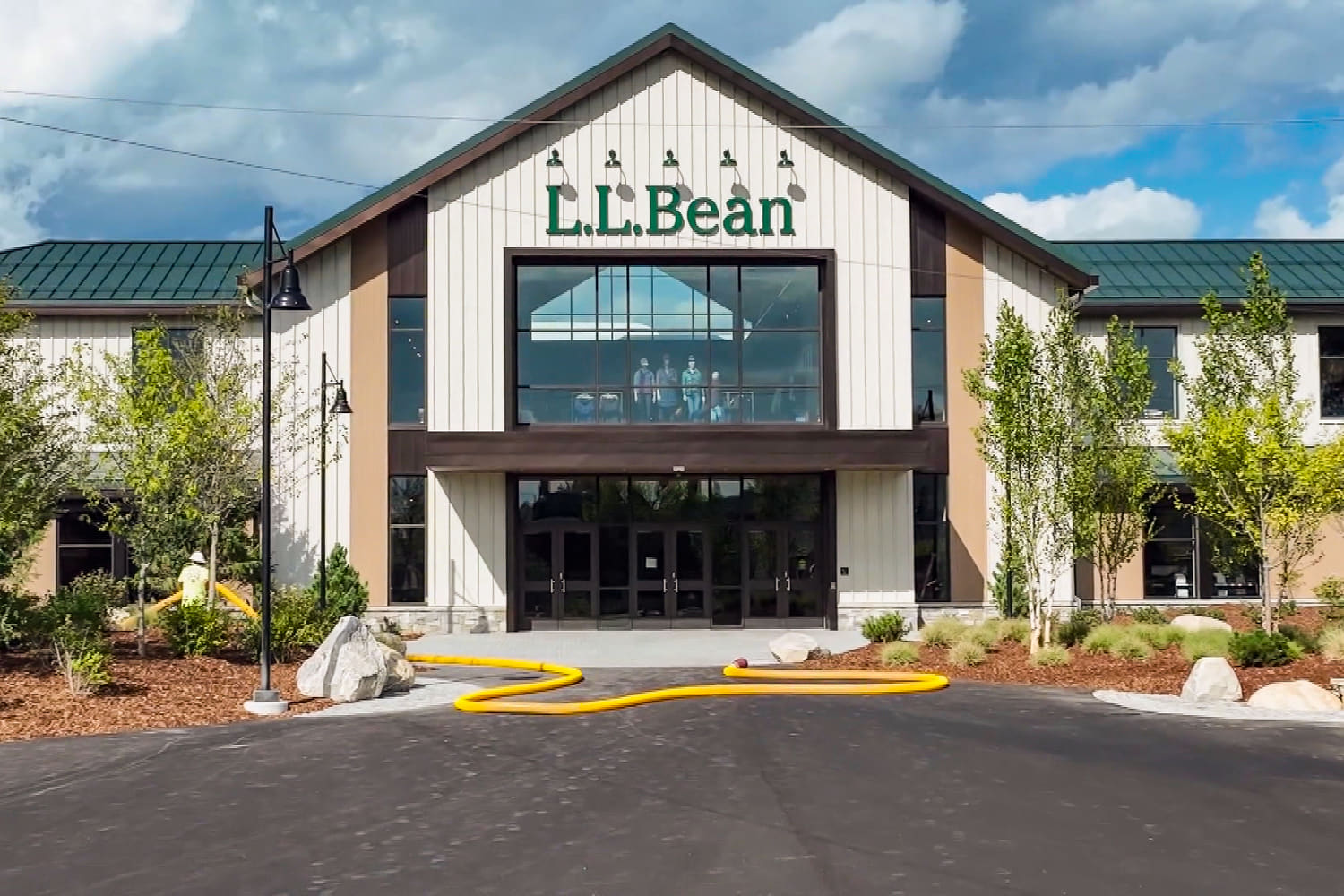
Except L.L.Bean keeps opening traditional brick-and-mortar locations. Not giant sterile big-box stores, but immersive spaces designed to feel like base camps. You walk into their flagship store in Freeport, Maine, and you aren't just looking at racks of clothing. You see an indoor trout pond, taxidermy displays, and staff members who actually know how to fit a backpack or sharpen a pair of ice skates.
You can't get that kind of expertise from an FAQ page.
When you buy a heritage product like a pair of Maine Hunting Shoes, you often want to touch the leather, test the weight, and talk to someone who has actually used them in bad weather. Retailers spent the last decade treating physical stores like expensive shipping hubs. They cut staff, crammed aisles with inventory, and turned shopping into a transactional chore. L.L.Bean treats their stores like community centers.
It turns out that when you give people a reason to visit a store other than just grabbing an item off a shelf, they will actually show up.
The AI Trap Nobody Talks About
We need to address the elephant in the room. Every software vendor on earth is pushing brands to adopt artificial intelligence for everything from copywriting to customer support. Companies love it because it looks good on quarterly earnings calls and slashes labor costs.
Customers usually hate it.
Have you ever tried to solve a complex shipping problem with an automated customer service bot? It's soul-crushing. You type your issue, the bot spits out a useless help link, you type "speak to a human," and the system loops you back to the beginning. It's efficiency for the corporation disguised as service for the buyer.
L.L.Bean's choice to steer clear of these trendy automated crutches preserves the human element of their brand. When you call or visit, you talk to a real person. That person can make judgment calls. They can honor a warranty guarantee without needing an algorithm's permission.
That operational choice costs money, obviously. Hiring and training human support staff is vastly more expensive than spinning up an OpenAI API endpoint. But that cost is an investment in loyalty. When a company stands behind its products for a century with a legendary guarantee, you don't want a machine reading terms of service back to you. You want a human who understands your frustration.
Why Heritage Brands Are Winning the Long Game
There is a broader lesson here for anyone building a business today. The knee-jerk reaction to every shift in consumer habits is to digitize harder, move faster, and optimize every ounce of friction out of the funnel.
Sometimes, friction is good.
Friction makes you pause. Friction makes a purchase feel deliberate rather than impulsive. When shopping becomes too frictionless, products lose their meaning. They become disposable commodities ordered on a whim and returned because they didn't look quite right in poor lighting.
By holding the line on old-school methods, L.L.Bean carved out a defensible moat. They aren't competing with fast-fashion apps on price or delivery speed. They don't need to. They are competing on permanence in a world that feels increasingly temporary.
Look at your own projects or business strategy. Are you chasing every shiny
Why L.L.Bean is Winning by Ignoring Silicon Valley
business
Everybody in retail is scrambling to throw artificial intelligence at their checkout lines, chatbots, and supply chains. They think a few algorithms will save dying profit margins. They're missing the point. L.L.Bean is moving in the exact opposite direction.
While tech bros preach digital transformation, this Maine outdoor institution is doubling down on heavy canvas, brick-and-mortar storefronts, and massive paper books sent straight to mailboxes. It's working. Customers are tired of sterile apps and algorithmic recommendations that feel creepy instead of helpful. They want something real. They want a duck boot built by human hands that lasts thirty years.
You can't code that kind of trust.
The Quiet Power of the Print Catalog
The physical catalog is dead, according to every digital marketing agency on earth. They tell you that attention spans are broken and paper is a waste of money. L.L.Bean ignores them completely.
Every year, millions of mailboxes still receive those chunky, glossy booklets filled with fleece pullovers and rugged tents. People don't just flip through them. They read them on the couch. They dog-ear the pages. It's a tactile experience that a smartphone screen cannot replicate.
Think about how you shop online right now. You're bombarded with retargeting ads, pop-ups, and fake reviews written by bots. It's exhausting. A physical catalog removes the digital noise. It turns shopping into a quiet ritual rather than a frantic click-fest. That's why people keep opening them. The company understands that nostalgia isn't just a marketing trick. It's a refuge from digital fatigue.
Physical Stores That Actually Feel Like the Outdoors
Opening retail locations in an era of e-commerce dominance sounds like financial suicide. Plenty of traditional brands tried it and went bankrupt. But L.L.Bean approaches real estate differently.
Their flagship store in Freeport, Maine, is open twenty-four hours a day, three hundred sixty-five days a year. It features a massive indoor trout pond and taxidermy wildlife. When you walk inside, you aren't just walking into a warehouse designed to push inventory. You're stepping into a cabin.
Other retail expansions follow the same rule. They build stores near actual outdoor hubs where people can test gear in real conditions. If you're buying a kayak, you want to touch it, lift it, and talk to someone who actually paddles on weekends. A chatbot cannot tell you how a pack sits on your hips during a five-mile hike through muddy terrain. Human staff who live for the outdoors can.
The Cost of Refusing the Algorithm
Avoiding automated shortcuts isn't cheap. It requires insane logistics discipline. When you promise a lifetime warranty on products, you can't rely on cheap synthetic materials manufactured by the lowest bidder. You have to use heavy-duty stitching, sturdy brass zippers, and leather that gets better with age.
This philosophy creates a massive operational friction point in modern retail. Wall Street hates long product life cycles because it hurts repeat purchase rates. If a jacket lasts forever, you don't buy a new one next year.
L.L.Bean survives this paradox by building fierce brand loyalty. Customers who bought a pair of boots in nineteen-ninety buy backpacks for their kids today. That generational trust beats a targeted Instagram ad every single time. It's a slower way to grow a business, but it survives economic downturns that wipe out flash-in-the-pan e-commerce startups.
What Other Brands Get Wrong About Heritage
Every trendy direct-to-consumer brand tries to manufacture a fake heritage story. They slap a founding date like nineteen-twelve on a sleek modern logo and pretend they've been handcrafting wool socks in a barn. Consumers see right through it.
Real heritage cannot be designed by an agency in a week. It is earned through decades of customer service mishaps, product redesigns, and weathering actual storms. When L.L.Bean refuses to automate customer support or farm out manufacturing to nameless digital platforms, they are protecting that history.
If you run a business, stop trying to automate every human interaction. Give your customers a reason to remember your name because your product outlasted their expectations, not because your ad popped up first on their feed. Build things that last. Talk to your buyers like they are actual human beings. Sometimes the smartest business strategy is to slow down while everyone else sprints off a cliff.