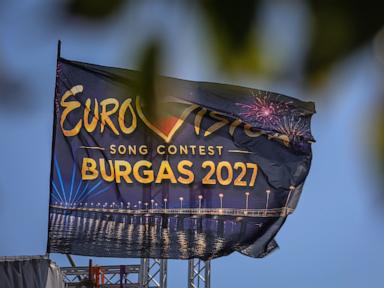
For the second year running, Ireland's national broadcaster RTÉ has confirmed it will neither compete in nor broadcast the Eurovision Song Contest. The core reason is simple and uncompromising: Israel's continued participation in the contest while military conflicts rage in Gaza. What used to be a campy, glitter-soaked celebration of continental unity is turning into a fractured political battleground, and Dublin has decided to sit it out entirely.
If you thought last year's wave of protests was a one-off anomaly, the 2027 boycott proves otherwise. The European Broadcasting Union (EBU) faces an existential crisis that no amount of sparkling stage production or upbeat pop anthems can gloss over. Meanwhile, you can find similar developments here: The Long Walk Home From the Ballroom Floor.
The Growing Crack in the EBU Foundation
The European Broadcasting Union has spent years hiding behind the mantra that Eurovision is a non-political cultural event. But that argument is wearing thin. When Russia invaded Ukraine, the EBU acted swiftly, banning Moscow from the competition within days. That decisive action set a dangerous precedent for consistency.
Critics and participating broadcasters have pointed out the glaring double standard ever since. The EBU's defense rests on the idea that public service broadcasters like Israel's Kan aren't directly responsible for government actions. Yet, that bureaucratic distinction doesn't fly with audiences, artists, or public networks facing immense domestic pressure. To understand the complete picture, check out the detailed analysis by IGN.
Ireland isn't standing alone in this boycott. The Netherlands has also locked in its decision to skip the 2027 contest, citing the loss of political neutrality. Other nations are wrestling with internal board decisions as the May contest in Burgas, Bulgaria approaches.
Why Ireland's Absence Hurts Eurovision Deeply
You can't talk about Eurovision history without talking about Ireland. This is a country that dominated the scoreboard for decades, holding a record-equalling seven wins. From Johnny Logan's iconic ballads to disruptive modern acts like Bambie Thug, Irish entries have shaped the DNA of the contest.
When a heavy-hitting cultural participant walks away for two consecutive years, it drains the room of a certain magic. RTÉ's choice to pull the broadcast entirely means Irish households won't even be tuning in on Saturday night. That severs a decades-long generational viewing habit.
The EBU's leadership, led by figures dismissing future votes on the matter, thought the storm would blow over. They miscalculated. By digging in their heels and claiming the membership spoke conclusively, they alienated public broadcasters who answer to viewers demanding moral consistency in international entertainment.
The Future of a Divided Song Contest
Eurovision relies entirely on the suspension of geopolitical reality. It works only as long as everyone agrees to pretend that borders don't bleed and flags represent harmless harmony for one weekend a year. Once that illusion shatters, you're just left with a television show ignoring humanitarian crises for the sake of entertainment ratings.
As more public networks weigh their options ahead of the upcoming deadlines, the contest risks shrinking into a regional event devoid of its traditional heavyweights. Dublin's continued absence sends an unmistakable message to Geneva. Music might bring people together, but looking the other way has a heavy price.
Ireland boycotts Eurovision 2027 over Israel's participation
This video explores the ongoing debates surrounding Ireland's decision to skip the Eurovision Song Contest and the intense political pressures dividing participating nations.


