Every music blog and tabloid column is currently running the exact same lazy narrative. The headlines scream about moral stands, geopolitical protests, and artistic defiance. They want you to believe that Ireland skipping out on the Eurovision Song Contest for a second consecutive year is some grand, calculated act of anti-establishment rebellion.
It is not.
Let us dispense with the fairy tales. I have spent enough time inside broadcaster boardrooms and executive production meetings to smell the rot of institutional cowardice from a mile away. Ireland is not sitting out the continent’s biggest pop spectacle because of high-minded diplomatic principles. They are sitting out because public service broadcasting in Dublin is terrified of an embarrassing scorecard, paralyzed by bureaucratic risk aversion, and completely out of touch with how modern pop culture works.
The lazy consensus is that RTÉ is taking a brave stand. The reality is far more pathetic. They are hiding under the bed because they cannot figure out how to win without spending millions they do not have on staging tricks that stopped looking futuristic in 2018.
Let us look at the mechanics of what is actually happening behind closed doors.
The Economics of Artistic Failure
When a national broadcaster enters Eurovision, they are not just sending a singer with a backing track. They are stepping into a hyper-capitalist arena where staging budgets run into the hundreds of thousands of euros, delegation costs eat up scarce public license-fee revenues, and a failure to qualify for the grand final triggers an internal post-mortem that nobody in management wants to deal with.
For years, Ireland coasted on the fumes of the 1990s. Four wins in a single decade made Dublin feel like the undisputed capital of European pop. That historical entitlement rotted the internal selection machinery. Instead of treating the contest as a brutal, highly competitive pop science experiment, the decision-makers treated it like an annual charity talent show for local songwriters.
The results were catastrophic. A decade of non-qualifications followed. Years of missed finals. Embarrassing televote shutouts.
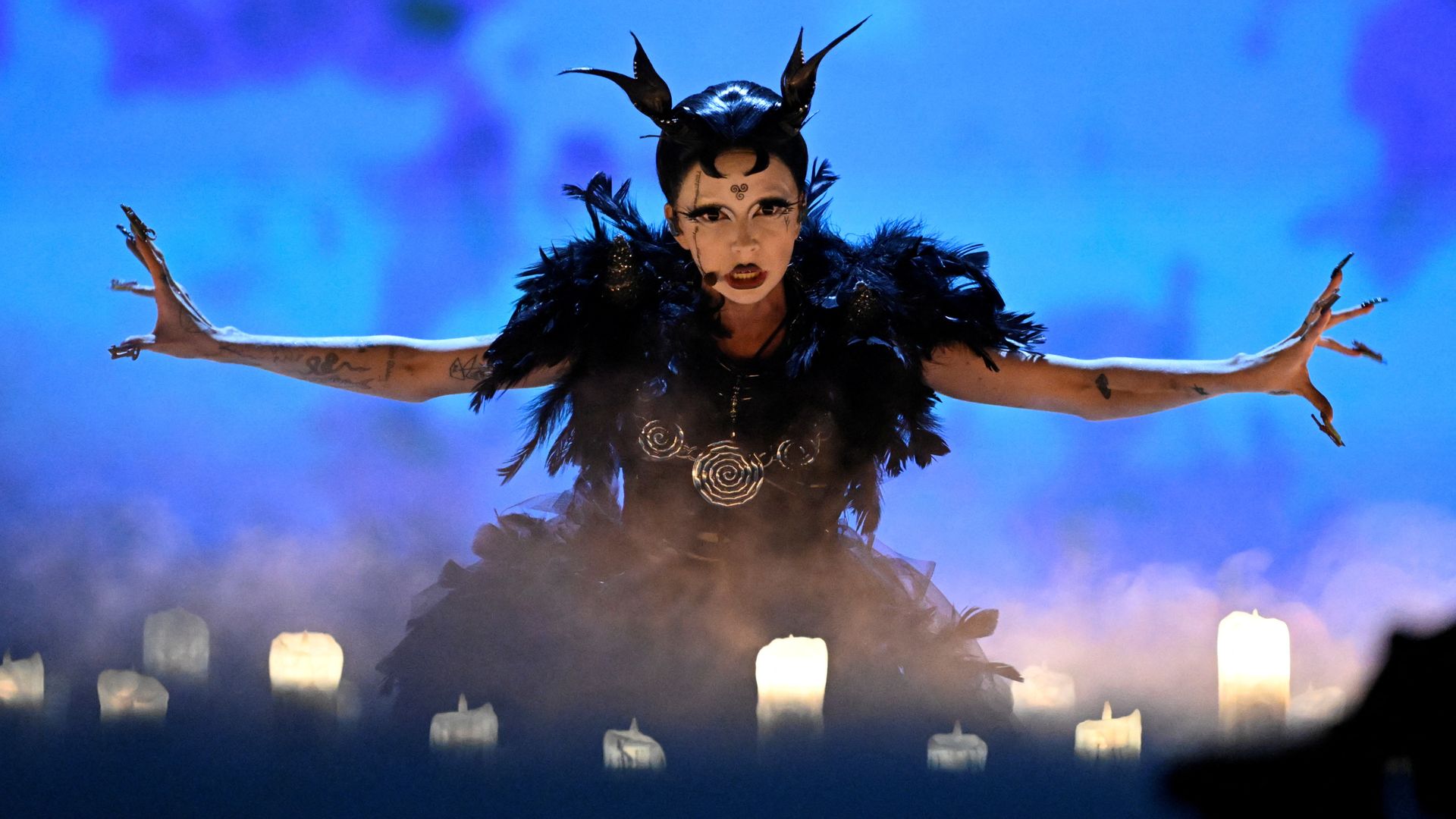
When Bambie Thug managed to crack the code by bringing genuinely weird, high-concept industrial metal and aggressive staging to the contest, what did the establishment do? Did they lean into that momentum and build a permanent pipeline for avant-garde Irish talent? Of course not. They treated it as a volatile anomaly rather than a repeatable formula.
Opting out for a second year under the convenient umbrella of political boycotting is a masterclass in bureaucratic cover. If you do not enter, you cannot lose. And if you cannot lose, you never have to explain to the parliamentary committees why you burned half a million euros on a staging concept that bombed in the semi-finals.
The Geopolitical Smoke Screen
Let us address the elephant in the room. The official chatter surrounding these boycotts always points an accusing finger at the European Broadcasting Union and the participation of specific contentious countries. Critics demand ideological purity from a song contest that was literally founded in 1956 to unite a fractured continent through light entertainment.
Expectations that a TV singing competition will solve centuries of Middle Eastern diplomacy or European border disputes are absurd on their face. The EBU is a trade association of public broadcasters, not the United Nations Security Council.
When national delegations threaten boycotts, they are outsourcing their domestic PR victories to a weekend television show. It is cheap activism. It costs politicians and network executives nothing to posture about values while quietly cutting domestic arts funding at home.
If Ireland actually cared about cultural diplomacy and soft power, they would send an artist who could weaponize pop music on the global stage, dominate the streaming charts, and force millions of European viewers to engage with Irish culture on its own terms. Soft power is not built by staying home and sulking in the green room. It is built by showing up, dominating the room, and taking the trophy home while your critics watch from the sidelines.
Why the Fan Base is Falling for It
The most frustrating part of this entire saga is watching the fandom eat it up. Eurovision Twitter and the dedicated fan forums love a good David versus Goliath narrative. They want every national selection to feel like a French Revolution.
This is a fundamental category error. Eurovision is not a political rally. It is a three-minute television commercial for musical acts competing in a fragmented attention economy.
When you view the contest through the lens of pure television production, the Irish strategy looks less like resistance and more like retreat. Modern pop supremacy belongs to markets that understand branding, TikTok virality, and immediate sonic hooks. Sweden gets this. Italy gets this. Ukraine gets this—consistently sending acts that understand how to marry traditional folk elements with contemporary electronic production values.
Ireland used to be the gold standard of pop craftsmanship. Now, they are retreating behind procedural excuses because the national broadcaster lacks the stomach for variance.
The Uncomfortable Truth About Risk
Let us be entirely honest about what winning Eurovision requires today. It requires embracing chaos. It requires putting forward artists who polarize audiences rather than boring committees.
When you run a selection process designed by risk-averse middle managers whose primary concern is avoiding a strongly worded email from a viewer advocacy group, you get bland, middle-of-the-road mediocrity. Bland mediocrity gets you twentieth place in a semi-final.
The boycott narrative allows RTÉ to bypass the hard questions. They do not have to overhaul their artist selection panels. They do not have to invest in modern production pipelines. They do not have to admit that the Irish music industry—while brilliant at producing indie-rock bands for damp Dublin pubs—has largely lost the plot when it comes to high-gloss, arena-scale pop spectacle.
They can just wave a banner of moral superiority and turn the lights off in the studio.
How to Fix the Broken Model
If Dublin ever decides to crawl out from under its self-imposed rock and return to the contest, the playbook is remarkably simple, though it requires institutional courage.
First, dismantle the internal committees. Eurovision is a young person's game driven by algorithmic discovery and live staging impact. Hand the keys over to independent producers and choreographers who have actually worked on international tours.
Second, stop apologizing for wanting to win. The British spent decades treating the contest as an ironic joke and were punished with nul points year after year until they finally swallowed their pride and handed their delegation over to TaP Music to run it like an A&R label.
Third, stop pretending that staying home sends a message to anyone other than your own declining viewership. Nobody in Geneva loses sleep when a broadcaster drops out due to internal jitters. They just reallocate the running order and move on to the next country waiting in the wings.
Ireland has one of the richest musical heritages on the planet. Traditional tunes, legendary songwriters, world-class vocalists. Hiding that talent away in a fit of institutional petulance is an insult to the artists who actually want to test their mettle against the best in Europe.
Drop the excuses. Step back into the arena. Or admit that you are simply too afraid of the scoreboard to play the game.