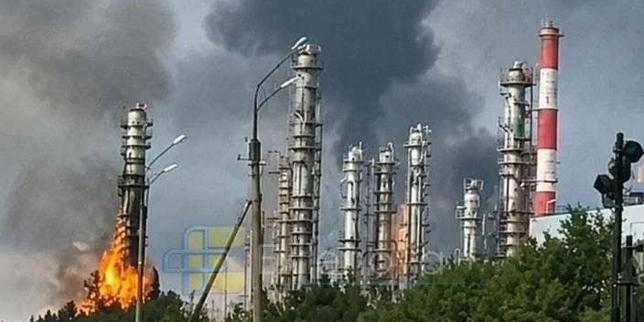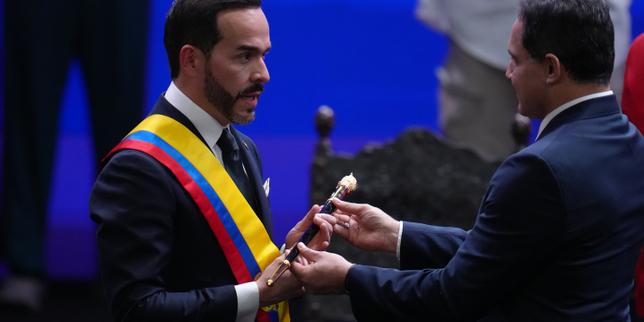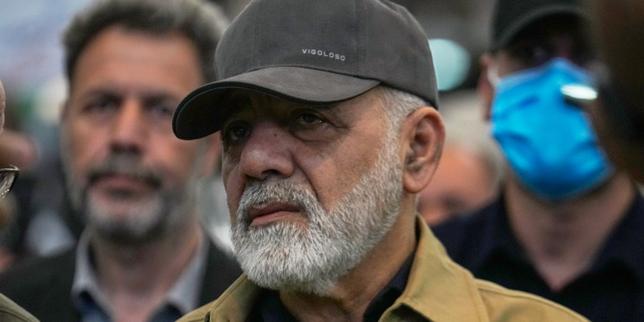
The death of Hernando Forero Mosquera, known by the nom de guerre "El Russo," during a targeted military operation in central Colombia marks far more than the routine elimination of a mid-level insurgent. It signals the sharp, aggressive realignment of national security strategy under newly inaugurated President Abelardo de la Espriella. Forero, who intelligence officers tied to the Frente 28 dissident faction of the former Revolutionary Armed Forces of Colombia (FARC), fell alongside several other armed actors in a coordinated sweep across Meta and Antioquia. This kinetic display arrived within days of a severe escalation in urban and rural terrorism, including a destructive car bomb near a Cauca tollbooth and a drone-dropped explosive that claimed a police officer's life.
For years, rural corridors across the Andean and Amazonian zones have operated under the fragmented control of armed groups that rejected the 2016 peace accord. These factions transitioned rapidly from ideological insurgencies into hyper-lucrative transnational syndicates. Cocaine processing, illegal mining, and extortion syndicates now form the bedrock of their operational funding. The previous administration under Gustavo Petro pursued a polarizing doctrine of total peace, prioritizing prolonged dialogue and conditional ceasefires over direct military confrontation. Critics argued that this policy gave armed actors precious breathing room to rearm, recruit, and expand territorial hegemony.
De la Espriella’s administration has discarded that blueprint entirely. By selecting the historically volatile city of Cali for an unconventional inauguration, the new executive telegraphed an unyielding posture toward criminal enterprises. The subsequent military strikes and the neutralization of key commanders represent an immediate shift from containment to active suppression. Security analysts tracking the region recognize that this administration intends to test the limits of state power, utilizing intelligence-led air strikes and rapid infantry deployments against groups like Frente 28 and the Gulf Clan.
Yet, abandoning negotiated settlements in favor of outright warfare carries profound systemic risks. History demonstrates that decapitating armed factions frequently induces structural fracturing rather than immediate collapse. When a high-ranking commander like Forero is removed from the equation, subordinate cells often splinter into autonomous, hyper-violent bands that prove harder to monitor and even harder to neutralize. These splinter cells frequently retaliate through asymmetric urban warfare, targeting infrastructure and local law enforcement to demonstrate resilience against state incursions.
The immediate domestic fallout underscores this vulnerability. Insurgent elements launched simultaneous explosive attacks immediately following the transition of power, proving that dissident networks retain substantial logistical reach and tactical initiative. A car bomb detonated near a highway checkpoint, and aerial threats utilizing modified commercial drones highlight an evolving tactical repertoire among rural combatants. Security forces are now forced to balance high-profile offensive operations with the grueling task of hardening civilian infrastructure against unpredictable sabotage.
International alignment is shifting concurrently with domestic policy. Washington has signaled robust backing for the new administration's hardline stance, underscored by substantial security assistance packages and deeper integration into regional counter-narcotics frameworks. This external validation provides the financial and logistical momentum required to sustain high-tempo military campaigns across difficult terrain. However, external support also heightens the stakes, turning domestic counter-insurgency efforts into a high-visibility theater for hemispheric security cooperation.
The fundamental tension in Colombia's security apparatus remains unresolved. Military force can dismantle command structures and disrupt drug trafficking corridors temporarily, but permanent stability requires the establishment of durable state institutions in regions historically abandoned by central authorities. Without comprehensive economic development, judicial presence, and social integration in areas dominated by illicit economies, the removal of one commander merely creates a vacuum for another to fill. The state's renewed offensive has set a high-stakes benchmark, and its long-term viability will depend entirely on whether kinetic superiority can be translated into lasting territorial control.