Climate change isn’t just some abstract threat to our coastal cities or future weather patterns. It's happening right now in your grocery cart. If you love food, the situation in northern Italy should terrify you. The Po River Valley, the only place on Earth legally allowed to produce authentic Parmigiano Reggiano, is baking. Extreme heatwaves are directly threatening the survival of this historic dairy industry. We are looking at a very real future where authentic parmesan cheese becomes a scarce, hyper-expensive luxury item. Or worse, it disappears completely.
This isn't hyperbole. The combination of intense summer heat and severe drought is fundamentally altering the agricultural ecosystem required to make this specific cheese.
The Fragile Formula Behind Every Wheel of Parmigiano Reggiano
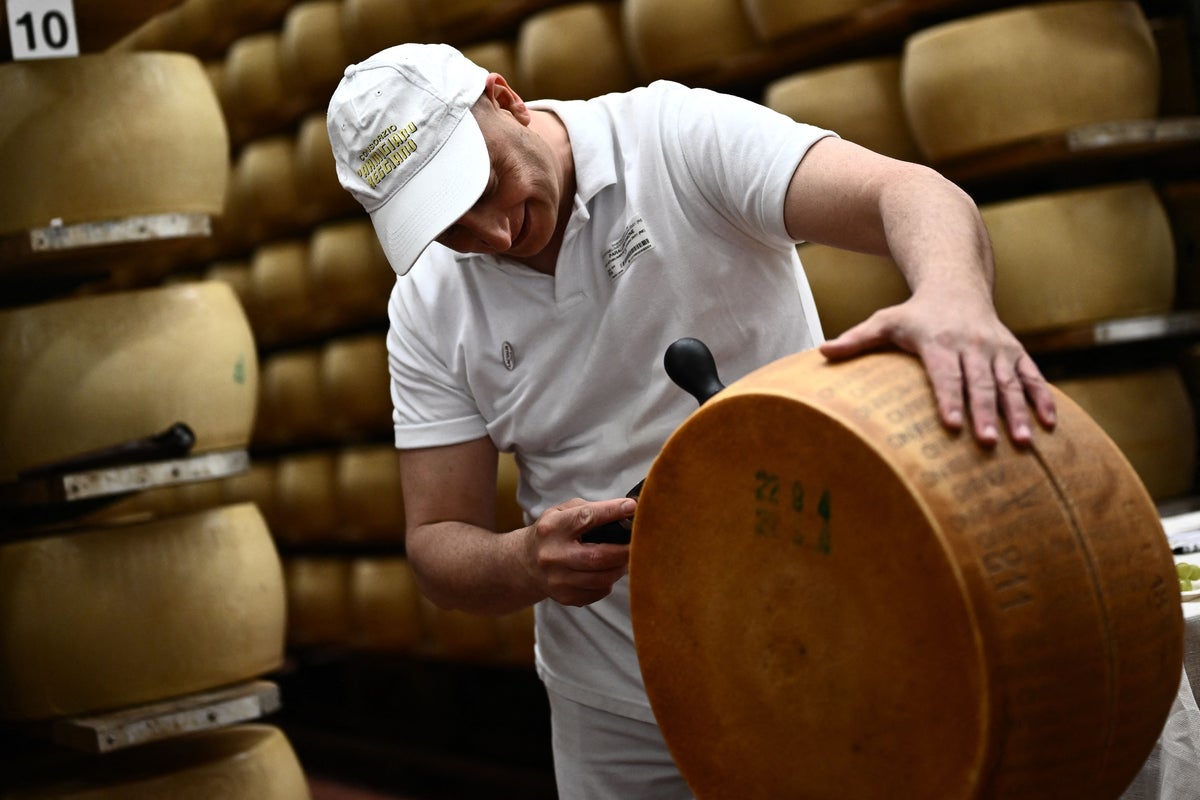
To understand why heatwaves are so destructive to parmesan production, you have to look at the strict laws governing how it's made. Under European Union Protected Designation of Origin (PDO) regulations, Parmigiano Reggiano can only be produced in a specific region of Italy. This includes the provinces of Parma, Reggio Emilia, Modena, and parts of Mantua and Bologna.
The rules dictate exactly what the cows eat. At least 50% of their diet must consist of forage grown right on the dairy farm, and 75% must be sourced within the designated production area. Silage, fermented feeds, and animal byproducts are strictly banned.
The cows rely heavily on fresh alfalfa and local hay. This specific diet creates the unique bacterial profile in the raw milk that gives parmesan its iconic complex flavor and allows it to age for years without spoiling. When a heatwave hits the Po River Valley, this entire hyper-local supply chain breaks down instantly.
How Scorching Temperatures Crush Milk Yields and Quality
Cows are sensitive creatures. The Holstein and Reggiana breeds used for parmesan production thrive in temperate climates. When temperatures soar past 30 degrees Celsius (86 degrees Fahrenheit), the animals experience severe heat stress.
Just like humans, overheated cows lose their appetite. They eat less forage, which immediately causes their milk production to plummet. During recent European summer heatwaves, dairy farmers in the Emilia-Romagna region reported drops in milk yield of up to 10% to 15%.
It gets worse. The heat doesn't just reduce the quantity of the milk; it ruins the quality. Heat-stressed cows produce milk with lower protein and fat content. For parmesan cheese making, the casein protein content in the milk is everything. Casein forms the curd. If the protein levels drop too low, the milk won't coagulate properly. The cheese makers simply cannot use it to create wheels destined for long-term aging.
The Drying of the Po River
The heatwaves are paired with a secondary, even more destructive crisis. The drying up of the Po River. The Po is Italy's longest river and the lifeblood of the country's most fertile agricultural zone. It supplies the water needed to irrigate the vast fields of alfalfa and hay that feed the parmesan dairy herds.
Recent winter droughts have left the Alps with minimal snowpack. When summer heatwaves arrive early, the river levels drop to historic lows. Without water for irrigation, local feed crops wither and die in the fields.
Farmers face an impossible choice. They must buy expensive emergency feed from outside the region, which threatens their PDO compliance if it exceeds strict limits, or reduce their herd sizes. Buying external feed also skyrockets production costs in an industry already operating on razor-thin margins.
The Financial Breaking Point for Traditional Caselli
Parmesan is made in traditional, often small-scale cheese factories called caselli. There are over 300 of these artisanal producers across the region. They are the backbone of the local economy.
When a heatwave hits, a casello faces a massive spike in operating costs. Keeping the dairy barns cool requires enormous amounts of energy. Farmers have to run industrial-scale fans and misting systems 24/7 to keep the cows alive and lactating. Combine these soaring electricity bills with reduced milk yields and ruined crops, and the financial math quickly stops working.
Smaller, family-run farms are already throwing in the towel. They can't afford the massive capital investments needed to climate-proof their operations. Every time a traditional farm closes, we lose a piece of the genetic and agricultural heritage that makes authentic parmesan possible.
What Happens If We Do Nothing
We risk entering a world where only massive, industrial dairy operations can afford to survive by using heavy automation and climate-controlled indoor factories. The romantic, traditional method of crafting cheese from cows grazing on open Italian pastures could vanish within a generation.
Prices for authentic Parmigiano Reggiano will skyrocket. The green-shaker generic "parmesan" plastics will still exist on supermarket shelves, but that's a completely different product made from pasteurized milk, additives, and cellulose filler. The real deal, aged for 24 or 36 months, will become an item reserved exclusively for high-end restaurants and wealthy collectors.
How to Support the Survival of Authentic Cheese
If you want to help keep this culinary tradition alive, you have to vote with your wallet.
- Look for the PDO Stamp: Always check the rind or packaging for the official "Parmigiano Reggiano" fire-branded mark and the yellow-and-red PDO symbol. Stop buying generic imitation "parmesan" which diverts money away from the Italian farmers fighting the climate crisis on the ground.
- Pay the Premium: Understand that when you pay more for authentic Italian cheese, you're directly funding the increased energy and infrastructure costs required to keep those cows cool and fed during increasingly brutal summers.
- Diversify Your Cheese Board: Support smaller artisanal producers by seeking out single-herd or specific breed variations, like cheese made exclusively from the milk of the Vacche Rosse (Red Cows). These traditional breeds are often hardier and more heat-tolerant than standard commercial holsteins, offering a genetic lifeline for the industry's future.