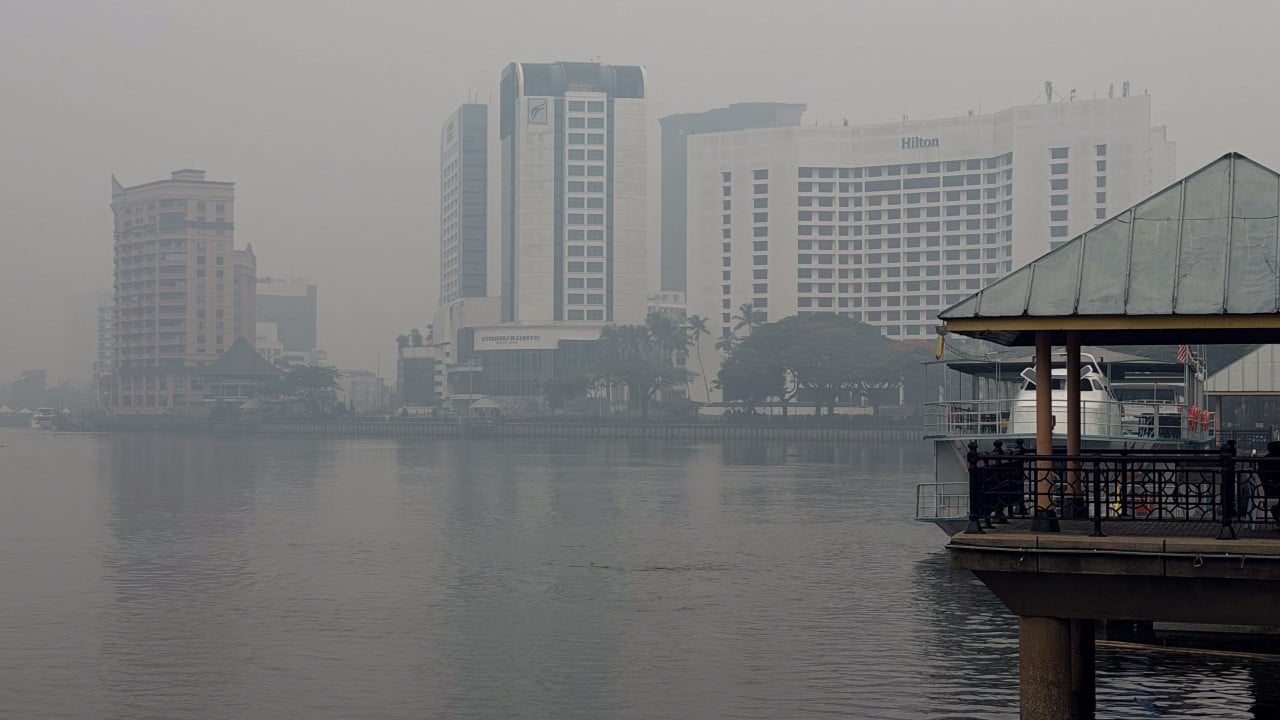
The rain in Belgrade does not fall quietly. It drives sideways off the Danube, slicking the asphalt of the old neighborhoods and turning the red-clay tiles of the roofs into dark, bruised mirrors. On days like this, the city feels like a keeper of secrets, a vast archive of bone and memory that refuses to stay buried beneath the weight of new glass office buildings and espresso bars.
Walk down these streets long enough, and you realize that history here is not a dusty textbook. It is a live wire.
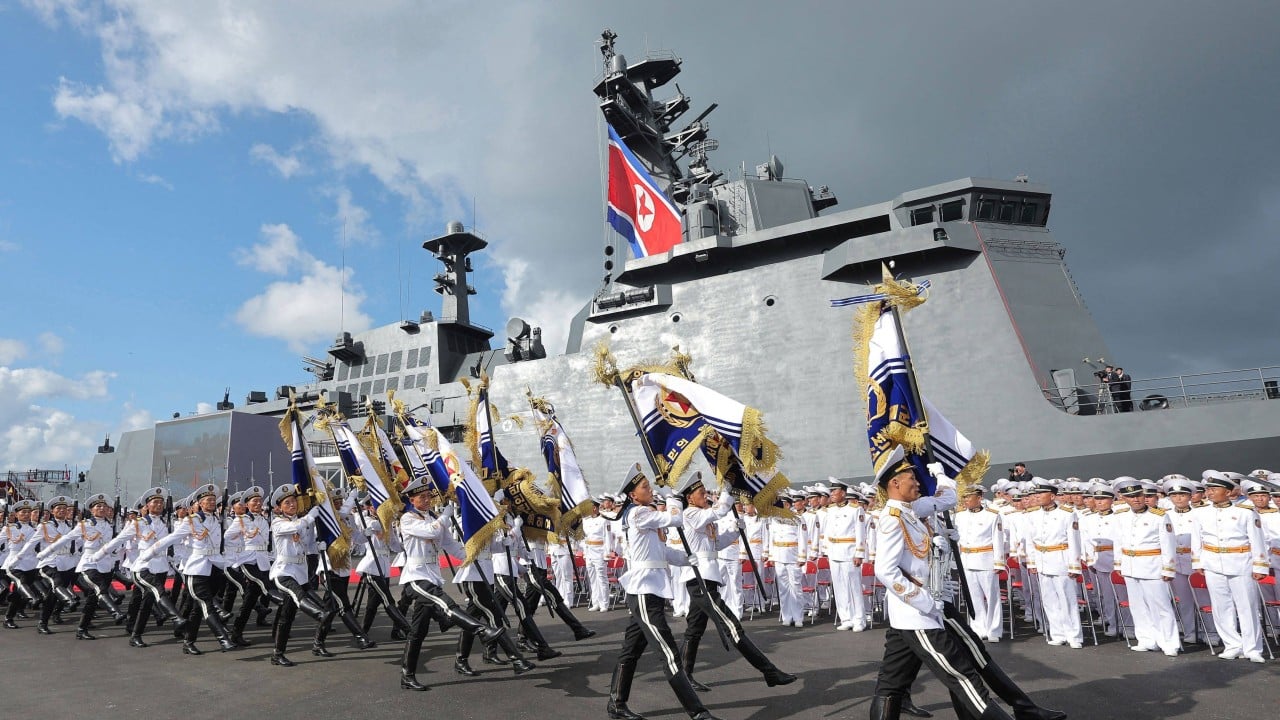
Thousands gathered under the cold drizzle, carrying wreaths and portraits that seemed to absorb the gray light of the afternoon. They came to mourn Ratko Mladić. To the international tribunal in The Hague, he was the Butcher of Bosnia, a man condemned for genocide and crimes against humanity, the architect of a calculated darkness that tore the heart out of Srebrenica and laid siege to Sarajevo for nearly four years. To the crowd pressing against the police barricades, shuffling forward in heavy coats with their breath pluming in the damp air, he was something else entirely. He was a symbol of defiance. A fallen commander. A ghost from a war that ended decades ago on paper, but never truly ended in the minds of the people who survived it.
This is the central tragedy of the Balkans. The math of war is simple. Treaties are signed, borders are drawn in ink, tribunals hand down numbers of years behind bars, and the world moves on. But the human element remains stubbornly uncalibrated.
Imagine standing on a street corner in Belgrade, watching an elderly man pull a woolen scarf tighter around his throat as he watches the procession pass. Let us call him Milan, though he could be any one of a hundred men standing on that damp sidewalk. Milan was twenty-two when the bridges over the Sava River were bombed. He spent the nineties in a uniform that smelled of diesel and stale tobacco, convinced every single day that his world was shrinking to the size of a rifle sight. When men like Mladić spoke on the nightly news, their voices were deep, gravelly assurances that someone was holding back the chaos.
When you spend your youth terrified, your loyalty becomes a scar tissue. It hardens. It stops responding to reason, to indictments issued in distant European courtrooms, to statistics of mass graves. To Milan, condemning the general felt like condemning the entire history of his survival. If the man at the top was a monster, what did that make the young soldier shivering in the trenches, following his orders?
That is the invisible stake of a funeral like this. It is not just about one man drawing his last breath in a prison cell or being laid into frozen earth. It is about the refusal of a society to lance an infection because doing so requires admitting that the poison was inside the house.
To understand why thousands turn out for a convicted war criminal, you have to look past the political posturing and examine the mechanics of collective grief and denial. Human beings are remarkably skilled at compartmentalizing horror. When your side commits atrocities, the mind performs a series of defensive acrobatics. It frames the violence as preemptive defense. It frames the victims as threats. It relies on the comforting tribal narrative that in an existential struggle, innocence is a luxury nobody can afford.
Historians and political scientists study these transitions through cold lenses, charting the rise of nationalism and the collapse of Yugoslavia as if it were a complex game of dominoes. But history is felt from the bottom up, not the top down. It is experienced in the empty chair at the Sunday dinner table. It is experienced in the sudden silence that falls over a café when someone mentions a village name that no longer appears on modern maps.
The international community expected closure. That is the grand illusion of the tribunal system—the comforting belief that a gavel slamming down can function as a period at the end of a bloody sentence. But justice without reconciliation is merely a ceasefire of the courts. The trials in The Hague established the facts beyond any legal doubt. They cataloged the thousands of dead, the intercepted radio communications, the forensic reports from mass graves where identification was pieced together from scraps of denim and wedding rings.
Yet, facts do not automatically heal a broken narrative. In the vacuum left by a failed economy and a fractured political landscape, myth is far more nourishing than accountability.
Consider what happens next in a city like this. The mourners disperse. The police take down the barricades. The television crews pack up their satellite trucks and fly back to Vienna, London, or Washington, looking for the next crisis. The rain washes the streets clean, and Belgrade goes back to work.
Yet beneath the surface, the fault lines remain. A generation of children born long after the guns went silent are growing up in the shadow of these same ghosts. They walk past murals of wartime commanders painted on crumbling concrete walls, breathing in an atmosphere saturated with unaddressed grief and defensive pride. They inherit the grievances of their parents the way children inherit eye color, long before they are old enough to ask whether the story they are being told is true.
This is why looking away from these moments is a profound mistake. When a crowd gathers to honor a man branded by history as a monster, it is a flashing red light. It tells us that the work of peacebuilding was abandoned halfway through. It reminds us that we are terrifyingly good at stopping wars, and utterly incompetent at healing the people who fight them.
There is no neat resolution to this story. No grand epiphany will sweep across the Balkans tomorrow, erasing thirty years of bitterness with a single diplomatic handshake. Healing requires something much harder than a tribunal verdict. It requires ordinary people on all sides to look at the pain of the other without immediately measuring their own suffering against it.
Until that happens, the ghosts will continue to walk the streets of Belgrade whenever the rain starts to fall, reminding anyone willing to listen that the past is never dead, and it is rarely even past.