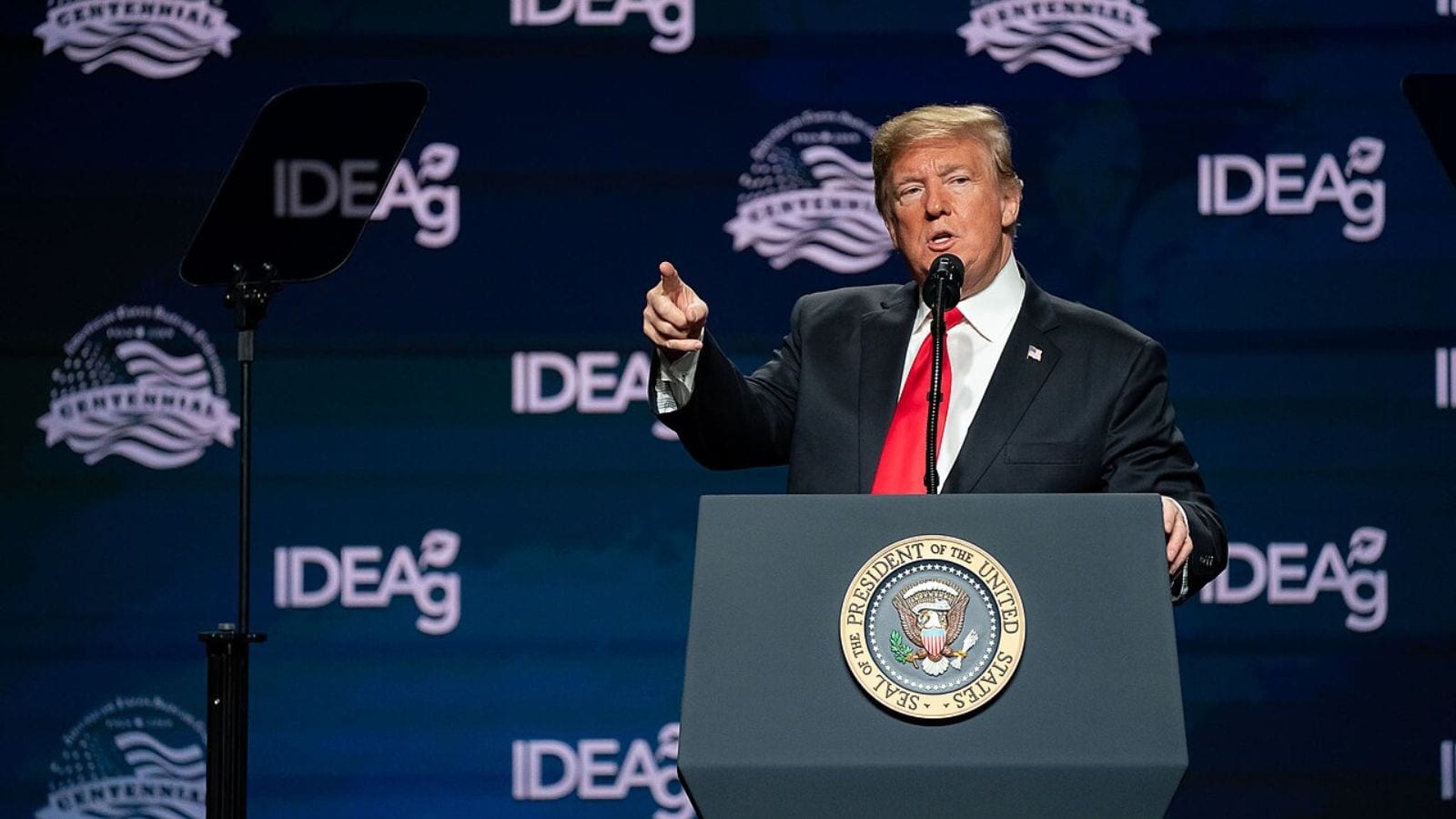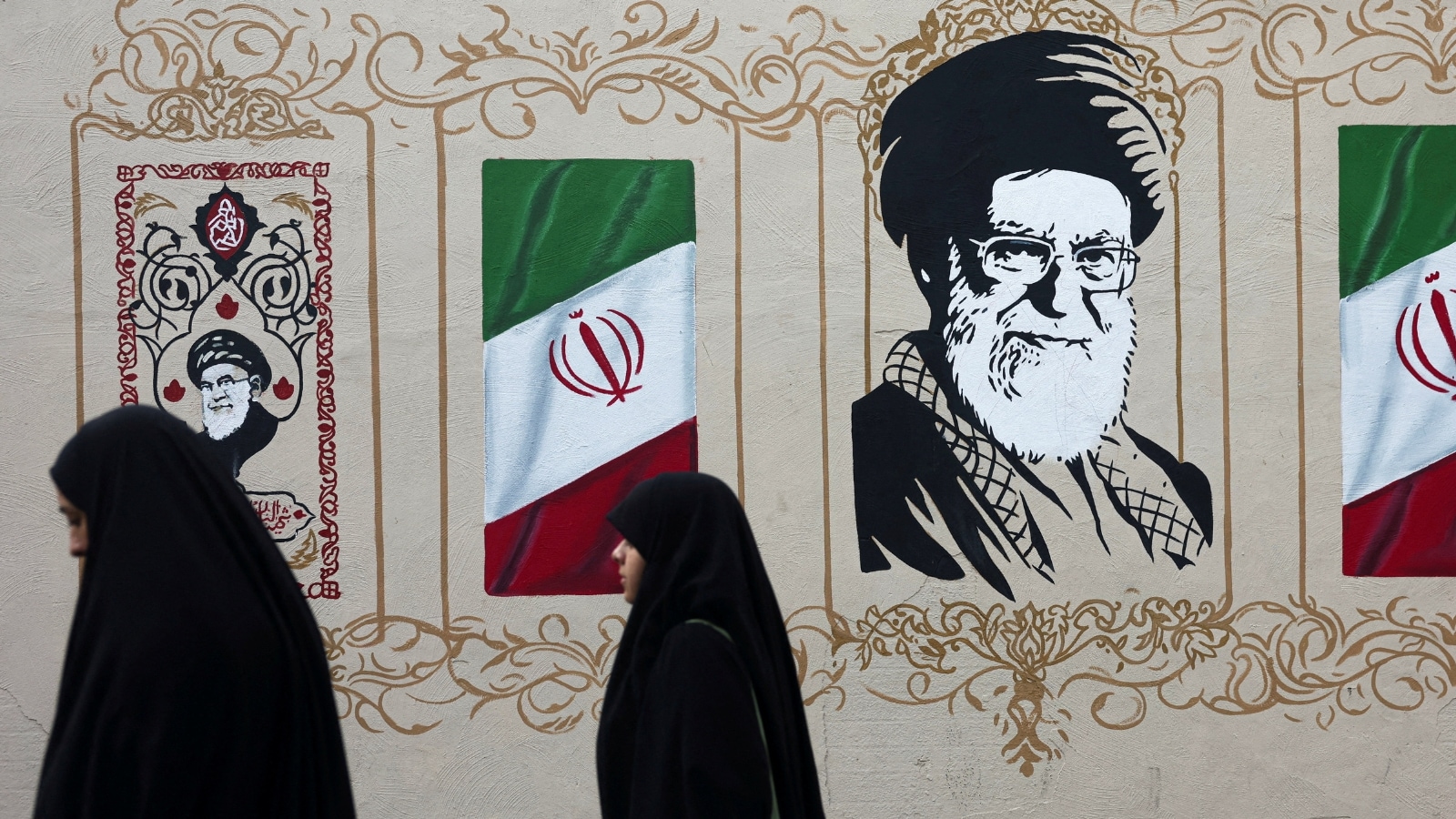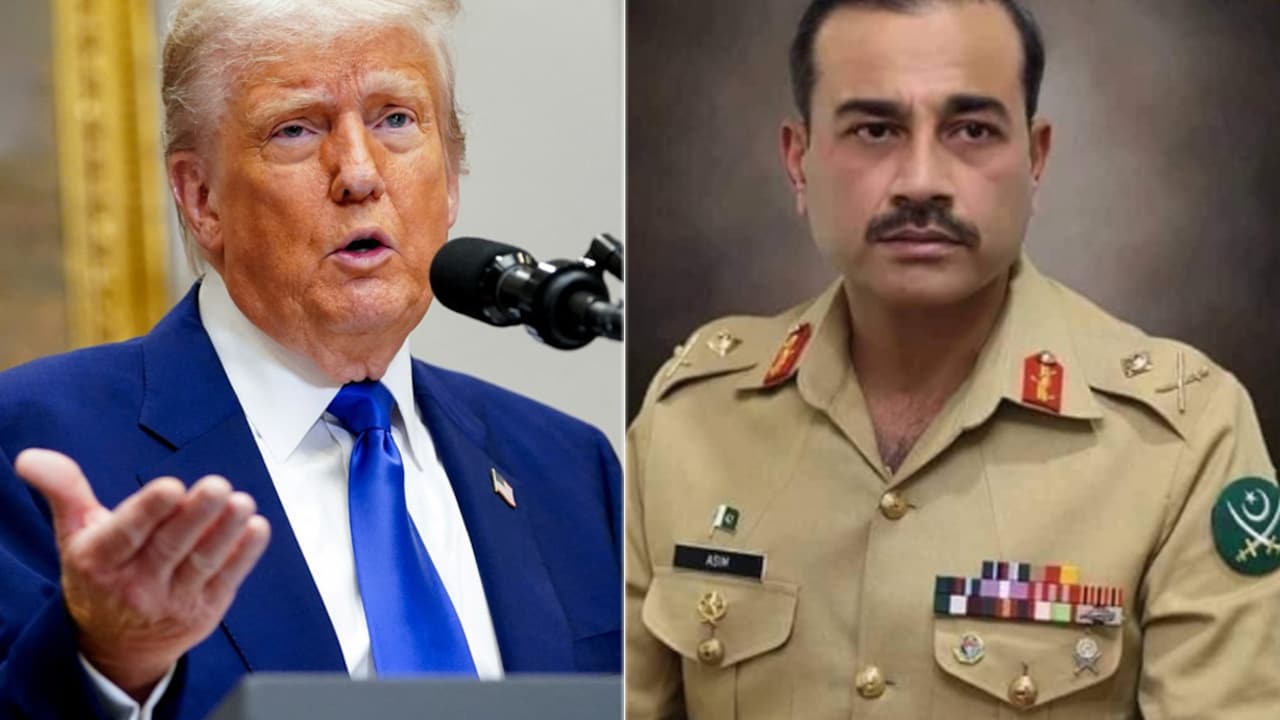
Geopolitical backchannels operate on strict economic and security incentives, stripping away diplomatic pleasantries to reveal raw transactional pressure. The reported telephonic exchange between United States President Donald Trump and Pakistan Army Chief Field Marshal Asim Munir, occurring immediately prior to Munir's diplomatic mission to Tehran, exposes the structural mechanics of modern statecraft. Rather than a random diplomatic outreach, the intervention maps directly onto an escalation ladder defined by impending financial blockades and asymmetric regional choke points.
Understanding this sequence requires evaluating the structural constraints facing Washington and Islamabad. The United States faces a persistent enforcement problem: applying maximum economic pressure on Tehran without triggering a catastrophic kinetic closure of the Strait of Hormuz. Pakistan, conversely, maintains a high-risk structural position as a contiguous neighbor that must balance trade partnerships with Iran against deep security and financial dependencies on Washington and Gulf allies.
The Mechanics of Triangulated Mediation
When bilateral communication channels freeze, third-party state actors assume the role of structural intermediaries. Islamabad's intervention is not driven by altruism, but by the operational costs of regional instability. A complete economic collapse in Iran or a total maritime blockade threatens to spill over into Pakistan's western border provinces and destabilize its domestic energy architecture.
The structural variables governing this mediation channel include three distinct vectors:
- The Enforcement Gradient: Washington's deployment of aggressive financial sanctions creates severe secondary compliance risks for any nation trading with Tehran, forcing Islamabad to manage its economic exposure.
- The Trust Deficit Function: Following the collapse of the interim peace framework brokered in June, mutual skepticism between Washington and Tehran reached an equilibrium point where direct signaling became impossible.
- The Security Matrix: Munir's dual portfolio—spanning relations with Washington, domestic military command, and the newly signed mutual defense agreements involving Turkey and Saudi Arabia—provides the structural leverage required to carry messages across adversarial lines.
This triangulated structure allows Washington to transmit conditional demands without conceding political legitimacy to the current administration in Tehran.
The Cost Function of Economic Coercion
The timing of the Trump-Munir communication directly precedes the execution of severe financial penalties targeting trade partners associated with Iran. From a strategy perspective, this represents a classic application of coercive diplomacy: raising the projected cost of non-compliance to an unbearable threshold while simultaneously opening a narrow, third-party managed exit lane back to negotiations.
The economic parameters are stark. Tehran faces compounding domestic inflation, currency degradation, and systemic infrastructural damage, leaving it vulnerable to coordinated financial isolation. However, symmetric economic warfare generates asymmetric countermeasures. Iranian leadership retains the capacity to threaten regional energy flows, utilizing potential disruptions in the Strait of Hormuz to impose costs on global markets.
Pakistan's utility in this equation stems from its unique positioning. By maintaining open diplomatic channels while executing binding security architectures with Sunni-majority Gulf partners, Islamabad acts as a shock absorber. The structural objective of Munir's delegation to Tehran is to communicate the deterministic nature of Washington's financial offensive while testing whether Iranian leadership will accept a negotiated return to the framework established by the June memorandum before punitive measures fully materialize.
The Limits of Intermediary Leverage
Intermediary diplomacy fails when the structural demands of the primary actors exceed the political survival threshold of the target state. Tehran's hard-line security establishment views unverified concessions as an invitation for further escalation, pointing to past compliance failures as evidence of bad faith.
Consequently, Munir's mission operates under severe operational constraints. A military emissary cannot unilaterally alter Washington's sanctions calculus, nor can he compel Tehran to surrender its retaliatory maritime deterrents. The utility of the channel is strictly informational: testing whether a minimal baseline for renewed talks exists before economic warfare enters its most destructive phase.
Engage the regional security architecture by assessing whether contiguous state intermediaries can successfully decouple bilateral trade survival from broader anti-proliferation demands.