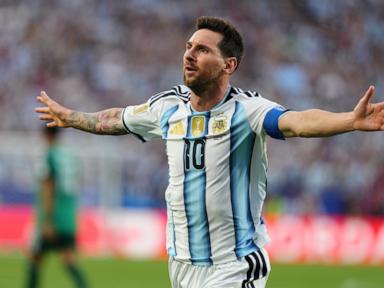
Every four years, the world stops for a month to watch twenty-two players kick a ball around grass. We talk about tactical masterclasses, defensive blunders, and physics-defying goals. But hours before a single ball is kicked, millions of fans are already screaming at each other online about something entirely different. They are fighting over polyester shirts.
World Cup jersey designs are not just sportswear. They are cultural statements, political battlegrounds, and multi-million dollar marketing bets. When a federation drops a new kit, they are trying to compress an entire nation's history, soul, and identity into a piece of fabric. Sometimes they nail it. Sometimes they completely insult the fan base. Recently making news in related news: The Mechanics of Secondary Market Friction How Structural Inefficiencies Destabilize Major Sporting Event Ticketing.
Football shirts have evolved from heavy, sweaty cotton rags into high-tech, ultra-collectible fashion pieces. If you think people only care about the game itself, you are completely missing the subculture driving the sport today. The shirts tell the actual story of the tournament.
The High Stakes of Soccer Fashion
A national team jersey carries a heavy burden. Club teams can take massive design risks because they launch new kits every single season. If Real Madrid puts out a terrible pink away shirt, fans just wait twelve months for the next one. National teams do not have that luxury. These shirts usually stick around for a two-year cycle, peaking on the biggest stage on earth. Further information regarding the matter are detailed by Yahoo Sports.
When a brand gets it wrong, they don't just lose money. They alienate millions of people. Think about the sheer pressure on designers at Nike, Adidas, and Puma. They have to balance tradition with modernity. They have to please fifty-year-old traditionalists who want plain shirts and nineteen-year-old hypebeasts who want streetwear aesthetics.
Most brands fail because they try too hard to follow global design trends instead of looking at local culture. The best shirts always have a deep, unmistakable connection to the country wearing them. When you see Croatia's red and white checks, you instantly know who is playing. That is the gold standard.
When Politics Bleed Into the Fabric
You cannot separate football from politics, no matter how much FIFA tries. Jerseys often become accidental weapons in culture wars and diplomatic disputes.
Take Brazil's famous yellow shirt, the Amarelinha. For decades, it symbolized beautiful football, joy, and the magic of Pelé. But in recent years, the yellow jersey became heavily co-opted by right-wing political movements in the country. It got to the point where regular citizens stopped wearing it to avoid being targets of political anger. For the 2022 tournament, Nike and the Brazilian Football Confederation had to launch a massive campaign to reclaim the shirt for all Brazilians, leaning heavily on the country's biodiversity and jaguar-skin patterns embedded in the weave.
Then there is Denmark. In 2022, their kit manufacturer Hummel released a series of toned-down, monochrome shirts where the badges and logos were completely blacked out or faded. It was a direct, silent protest against Qatar's human rights record. Hummel explicitly stated they did not want to be visible during a tournament that cost thousands of migrant workers their lives. It was a bold move that showed just how much power a simple design choice can wield.
The Disasters We Love to Hate
We need to talk about the trainwrecks. Some jerseys are so profoundly ugly that they achieve immortality.
The 1994 World Cup in the United States was a golden era for terrible fashion. The host nation rolled out an away kit that looked like faded denim covered in giant white stars. It was supposed to look modern and American. Instead, Alexi Lalas and company looked like they were wearing cheap jeans found in a bargain bin. Yet, decades later, that exact denim kit sells for hundreds of dollars on vintage clothing sites.
Cameroon is another team that constantly pushed the boundaries of what FIFA would allow. In 2002, Puma designed a sleek, sleeveless jersey for the Indomitable Lions. They wore it to win the Africa Cup of Nations, but FIFA stepped in right before the World Cup. Soccer’s governing body banned the kits, declaring that shirts must have sleeves. Cameroon had to sew black sleeves onto the outfits at the last minute just to take the pitch.
Two years later, Cameroon and Puma tried it again with a one-piece kit where the shirt and shorts were stitched together like a wrestling singlet. FIFA went ballistic, fining the federation and docking them six points in World Cup qualifying. The points were eventually restored after a legal battle, but it proved that the suits in Zurich absolutely loathe anyone messing with the traditional silhouette of a football uniform.
The Cult Classics That Sold Out Instantly
When a design hits the sweet spot, the financial and cultural payoff is staggering. The most famous modern example is Nigeria's 2018 kit by Nike.
The design team went into the archives and pulled inspiration from the 1994 squad, creating a bold, eagle-inspired geometric pattern with bright lime green and white chevrons on the sleeves. It looked completely different from anything else on the market. It didn't look like a template. Before the tournament even started, Nike received three million pre-orders for the shirt. People queued around the block in London just to buy one. It blurred the line between sports gear and high fashion, showing up at music festivals and runways worldwide.
Going back further, Mexico’s 1998 shirt by local brand Aba Sport is a masterclass in identity. It featured a massive, intricate representation of the Aztec calendar stamped right across the front. It was aggressive, loud, and brilliantly Mexican. Look at vintage jersey markets today. That shirt is a holy grail.
How Big Brands Play the Villains
Fans are getting smarter, and they easily spot lazy corporate behavior. The biggest complaint in modern football fashion is the use of templates.
During certain tournament cycles, brands like Adidas or Puma will create one single chassis for a shirt and use it for ten different countries. They just swap the colors and slap on a different crest. It feels cheap. It strips away the unique identity of nations that wait four long years to showcase their culture.
Puma faced an absolute nightmare during the Euro and subsequent international windows when they introduced a third-kit concept that stripped country badges off the chest entirely, replacing them with the country name written in a generic font across the front. Fans revolted. It looked like a training top or pajamas.
To win over fans, brands have to stop letting spreadsheets dictate design. You cannot treat a World Cup shirt like a generic corporate product. It requires artistic risk.
If you are a collector or just a casual fan looking to buy a piece of history, do not just buy the home shirt because it is safe. Look for the away kits and third jerseys where designers actually get the freedom to experiment. Check out independent kit creators and vintage dealers who document the deep history behind these garments. The value of an iconic shirt almost always outlives the memory of a mediocre tactical performance on the pitch. Buy what tells a story, not what follows a trend.