The snow over Oslo does not fall with theatrical fury; it drifts down in flat, heavy plates, muffling the sound of boots on asphalt and turning the grand, copper-domed facades into ghosts. Inside the stone halls of the Norwegian capital, the air smells of old wool, damp coats, and a very specific brand of quiet desperation.
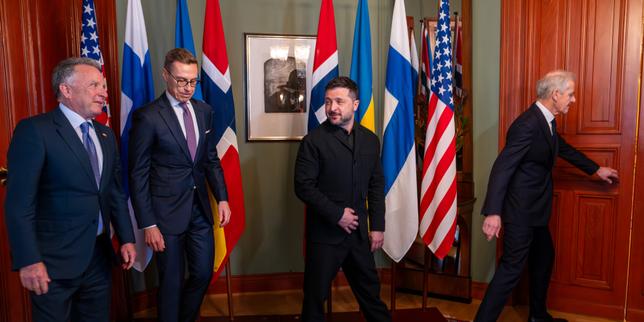
Volodymyr Zelensky walked through those corridors under a gray December sky, his shoulders carrying the permanent, iron-bent posture of a man who sleeps in body armor and wakes up checking casualty lists. He was there to speak to the Nordic leaders, to secure the next batch of artillery shells, the next tranche of winter generators, the next promise that would keep the frontlines from snapping. But beneath the diplomatic handshakes and the carefully staged photo-ops, a deeper, heavier shadow hung over the room.
He was looking across the Atlantic.
He was listening for an echo from Washington that refused to bounce back with its old resonance.
To understand why a president of a nation under siege must fly to the edge of the Arctic to hunt for hope, you have to look past the maps with their jagged red and blue arrows. You have to look at the geometry of political fatigue.
Imagine a long-distance runner who has sprinted ten miles through a freezing gale. His lungs burn like swallowed glass. His legs feel like poured concrete. He looks ahead, expecting the crowd at the finish line to roar him forward into the final stretch. Instead, he sees the stadium lights flickering, the crowd packing their coats into bags, distracted by an argument in the parking lot. That is the psychological landscape of Kyiv as the third winter of total war locks its jaws over the Ukrainian steppe.
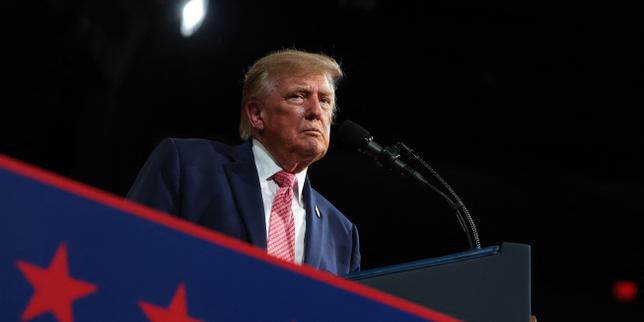
In Washington, the grand theater of domestic politics has turned into a slow-motion wreck. A package of multi-billion-dollar aid, designed to keep the Ukrainian state solvent and its skies defended, remains trapped in the gears of congressional gridlock. It is a strange kind of cruelty. The weapons exist. The factories in Ohio and Texas have stamped the steel. The logistics chains are oiled and ready. Yet, the delivery mechanism is jammed by partisan leverage—a game of political poker where the chips happen to be the survival of a sovereign European democracy.
Zelensky knows the math. Every soldier on the eastern front knows the math. Without steady streams of 155-millimeter artillery shells, air defense interceptors, and financial lifeblood, the arithmetic of attrition begins to favor the aggressor. Russia’s war machine is monstrously wasteful, grinding through men and armor with callous indifference, but it is massive. It operates on a scale of sheer mass that requires an industrialized counter-weight.
And that counter-weight has always been America.
When Washington sneezes, Europe catches a chill. When Washington hesitates, Kyiv holds its breath.
This is why the trip to Oslo was both a pilgrimage and a rehearsal. Norway, sitting safely behind its vast sovereign wealth and its NATO shield, has been one of the most reliable, unflashy backers of the Ukrainian defense. The Nordic nations understand the map of history. They share a maritime border and a long, nervous history with the same bear that is currently clawing at Ukraine's borders. They pledged billions more in long-and-short-term support during that summit, offering a warm hearth to a freezing guest.
Yet, everyone in that room knew the truth, even if polite diplomatic language forced them to dress it up in sharper suits.
Norway can patch the holes in the dike. Norway can send NASAMS batteries and humanitarian funding. But Norway cannot print US dollars in volumes that match the Pentagon’s ledger. Norway cannot compel the United States Congress to pass a supplemental spending bill.
Oslo was an exercise in sustaining a belief that defies the current political weather.
Consider what happens when a leader must project absolute, unshakeable certainty to his people while knowing that his external lifeline is fraying at the edges. It requires a terrifying kind of performance. Every public appearance is a tightrope walk over an abyss. Smile too much, and you look detached from the slaughter in Avdiivka. Look too grim, and you signal to your allies that the cause is lost, inviting the very abandonment you fear.
During the joint press conference in Oslo, Zelensky stood beside Prime Minister Jonas Gahr Støre. His face was etched with the accumulated weight of a thousand briefings, each one starting with numbers of dead and ending with requests for equipment. When asked about the prospects of US aid, his answers were measured, carefully diplomatic, stripped of the sharp public reprimands he had occasionally deployed earlier in the war. He expressed hope. He spoke of ongoing dialogues. He talked about trust.
But there was a hollow ring to it—not because he lacks conviction, but because hope, when divorced from certainty, sounds like a prayer whispered in an empty cathedral.
The tragic irony of our current historical moment is that the West has never been more materially capable of stopping an imperial land grab, nor more politically paralyzed to finish the job. The tools are lying on the workbench. The blueprint is clear. But the will is caught in the crossfire of election-year theater.
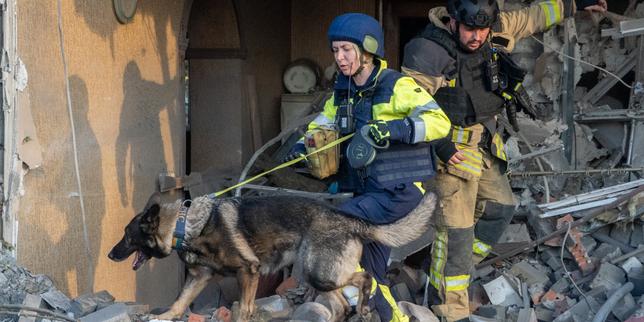
Back in Kyiv, the snow is piling up against sandbagged windows. Families are learning to live through rolling blackouts, their apartments lit by the cold blue glow of rechargeable LED lamps. Children sleep in hallways, trusting the thin acoustic buffer of interior walls against the concussive thump of incoming drones. They are holding the line with their blood, their homes, and their futures.
And far away, in the marble halls of capitals where the coffee is hot and the walls are thick, politicians debate whether supporting them is still a good return on investment.
Zelensky left Oslo with renewed pledges, fresh agreements, and the warm solidarity of the North. But as his plane lifted off into the polar night, banking south toward a country bracing for another long, dark night of air-raid sirens, the cold reality remained unchanged. You can entertain hope in the capitals of Europe, but wars are won and lost where the steel meets the mud. And for now, the steel from across the sea is waiting for permission to move.