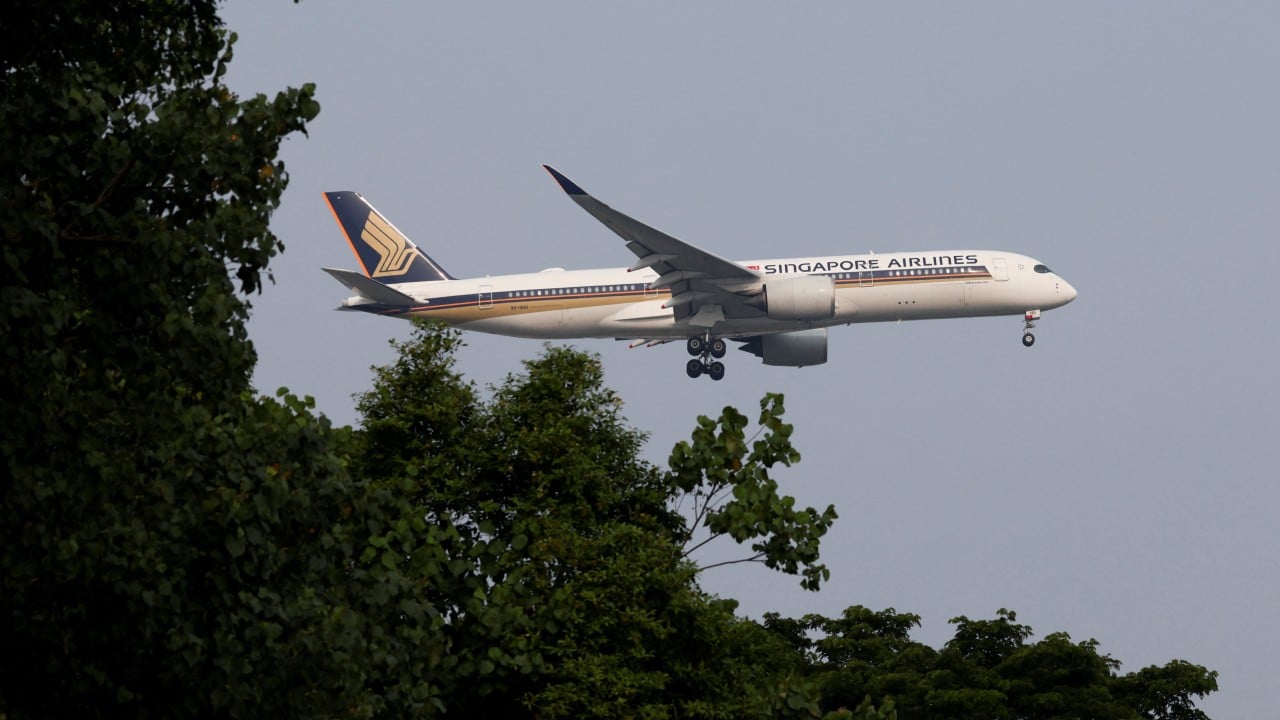
Every single year, the aviation industry engages in a predictable, soporific ritual. Skytrax or some similar body crowns a carrier the best on earth. The press releases go out, champagne corks pop in Changi or Doha, and frequent flyers nod along as if an arbitrary badge from a London-based consultancy dictates the physical reality of sitting in a metal tube for fourteen hours.
This year, Singapore Airlines reclaimed the crown from Qatar Airways. The consensus reaction from aviation journalists, bloggers, and passengers was sheer, unadulterated applause. It was framed as the natural order restored.
That consensus is lazy, superficial, and entirely detached from how airlines actually operate.
Winning the top spot is not an indicator of operational supremacy. It is a massive, margin-crushing trap. I have spent enough time inside airline boardrooms and revenue management meetings to watch carriers bankrupt themselves chasing the ghost of Skytrax perfection. The public thinks an award-winning airline is a healthy airline. The exact opposite is usually true.
The Margin Myth And The Trap Of Perfection
Let us look at the economics. Airlines are a notoriously brutal business. Fixed costs are astronomical, fuel prices fluctuate like crypto panic selling, and labor unions hold absolute leverage over on-time performance. To post a healthy net profit margin, an international carrier must obsess over capacity discipline, yield management, and ancillary revenue extraction.
When an airline decides it needs to win best carrier, finance departments lose control.
Maintaining the kind of hyper-polished, porcelain-plate, Krug-pouring service required to top the Skytrax rankings requires staggering capital expenditure. You are staffing routes with heavy cabin crew ratios, provisioning multi-course menus that end up in the catering bin, and spending millions retrofitting cabins years ahead of economic necessity just to keep the product score competitive.
Singapore Airlines and Qatar Airways operate on state-backed life support or within macroeconomic structures that ordinary capitalist entities cannot replicate. Singapore is anchored by a sovereign wealth fund perspective; Qatar is backed by sovereign gas revenues. For them, burning cash on halo service is a national branding exercise. It is soft power diplomacy disguised as a flight to Frankfurt.
When a publicly traded carrier or a private airline without sovereign backing tries to chase that standard, they crash into a wall of red ink. The pursuit of the best airline crown forces carriers into an arms race of luxury amenities that passengers say they want on blogs, but refuse to pay for when booking the cheapest economy ticket on Google Flights.
The Seat Map Delusion
Ask any traveler why they think Singapore Airlines or Qatar is the best, and they will point to two things: the Qsuite or the A350 business class, and the legendary service.
This focuses entirely on the top ten percent of the aircraft while ignoring the reality of the other ninety.
The aviation blogging industrial complex loves to review first class and business class suites. They fly on media invites or burn points, sip vintage champagne, and write breathless reviews about sliding doors and turndown service. Then, the average consumer reads these reviews, assumes the entire airline operates at that echelon, and books an economy ticket expecting a miniature version of a five-star hotel.
Then reality hits. In economy class on a modern long-haul flight, pitch is down to thirty-one or thirty-two inches across almost every major full-service carrier. You are jammed shoulder-to-shoulder in a nine-abreast Boeing 777 or ten-abreast A350 just like you are on any budget airline. The meal tray features the same reconstituted chicken or pasta. The plastic cup of white wine tastes like solvent.
Singapore Airlines and Qatar do not escape the physics of modern cabin density. They simply obscure it better with polished smiles and better lighting. The awards are heavily weighted toward premium cabins and flashy lounges, creating a distorted distortion field that masks the commoditization of coach.
If you want to judge an airline, do not look at how they treat a business class passenger paying eight thousand dollars for a flatbed. Look at how they handle a delayed connection for an economy passenger flying on a restricted promo fare. That is where the veneer cracks.
The Operational Reality Nobody Mentions
There is a dirty secret about mega-hubs like Changi and Hamad International. They are magnificent transit cities, but they are also choke points of institutional hubris.
When an airline ties its entire brand identity to being the pinnacle of luxury, operational disruptions become existential crises. If a minor technical glitch grounds a suite-configured aircraft, the cascading schedule changes ruin high-paying customer itineraries in a way that triggers massive compensation payouts and brand backlash.
Contrast this with low-cost efficiency or disciplined mid-tier operators. They build schedule buffers. They keep aircraft utilization lean but manageable. They do not stake their entire marketing narrative on being the undisputed royalty of the skies, which gives them the operational freedom to simply run a reliable, on-time airline without the paralyzing anxiety of a review score drop.
The obsession with customer satisfaction surveys creates perverse incentives. Cabin crew are trained to optimize for the survey moment rather than authentic hospitality. Every interaction becomes transactionalized around catching a high rating score on an iPad or a follow-up email. It manufactures a synthetic, hyper-anxious service culture where employees are terrified of a disgruntled passenger tanking their metrics.
True luxury does not come with a feedback form attached to your boarding pass.
Stop Asking Which Airline Is Best
The fundamental question consumers ask—Which airline is the best?—is the wrong question entirely. It assumes airlines exist on a singular linear hierarchy where Carrier A is objectively superior to Carrier B for every human being on the planet.
That is nonsense. The best airline depends entirely on your route, your wallet, your tier status, and your tolerance for hub architecture.
If you are flying point-to-point in economy across regional Asian or European sectors, paying a premium for a Skytrax darling is an irrational waste of capital. You would be infinitely better off booking a punctual low-cost carrier or a secondary network airline that gets you there two hours earlier without the pretense of a hot towel.
If you are burning corporate cash on a long-haul corporate flight, sure, book the award winner. Enjoy the private check-in terminal in Doha or the massive SilverKris lounge at Changi. But understand what you are paying for: an elaborate marketing ecosystem funded by national pride and corporate expense accounts.
The next time an industry publication drops its annual carrier rankings, ignore the headlines. Look past the champagne glass. The crown belongs to whichever airline can consistently deliver you safely, punctually, and with your dignity intact, without burning through a small country's GDP to maintain the illusion of perfection.