Ice does not merely cover Greenland. It commands it.
Standing on the edge of the Ilulissat Icefjord, the sound is not silence. It is a slow, grinding roar—the sound of an ancient continent exhaling into the sea. When a calving glacier breaks free, the shockwave hits your chest before your ears register the thunder. For thousands of years, this monumental solitude belonged exclusively to the wind, the sled dogs, and the resilient hunters who learned to read the shifting patterns of the pack ice.
Today, another shadow falls across the white horizon.
It is painted in the grey steel of cargo hulls and the silent, unblinking glare of satellite uplinks. Across the globe, great powers are waking up to a simple, terrifying geographic reality. Greenland is not an island at the edge of maps. It is the geographic fulcrum of the Northern Hemisphere. And beneath its frozen carapace lie the literal building blocks of tomorrow's economy: rare earth elements, critical minerals, and the shortest maritime shipping routes between Asia and North America.
For years, Beijing looked north with calculated patience. Through research stations, mining concessions, and heavy diplomatic overtures, a narrative took root in the high latitudes. The Arctic was open for partnership. Capital flowed where infrastructure was desperately needed. Small towns, accustomed to fishing and hunting, suddenly found themselves courted by economic titans from across the hemisphere.
Then Washington remembered the map.
Behind closed doors and inside the hushed briefing rooms of the State Department and the Pentagon, a quiet realization crystallized. Control the high North, and you command the approaches to the Atlantic and the Pacific. Allow a strategic competitor to weave an economic web of steel, concrete, and debt across Greenland, and the security architecture of the West begins to fracture from the top down.
This is the hidden gravity of the recent diplomatic maneuvers between the United States and Greenlandic authorities. It is not merely about a deal signed on crisp paper in a capital city. It is a geopolitical tug-of-war for the soul of the Arctic.
Consider what happens when a superpower steps in with an alternative. For decades, Greenland has sought a viable path toward full economic independence from Denmark. Independence requires revenue. Revenue requires resources. When external financing is scarce, the temptation to accept capital from any willing partner—regardless of geopolitical alignment—is immense.
Enter the American counter-strategy. By deepening diplomatic ties, investing in civil infrastructure, and offering a security umbrella that directly addresses the vulnerabilities of a sparsely populated island nation, Washington is fundamentally altering the economic calculation. The message whispered across the negotiating tables is pragmatic and blunt. You do not need to look halfway across the world for a partner to build your future.
This shift sends a shockwave through Beijing's Arctic calculus.
The engagement strategy that relied on unchecked economic expansion and quiet infrastructure footholds suddenly meets a wall of allied pushback. When the United States signals a permanent, elevated presence—backing words with diplomatic weight, scientific cooperation, and strategic resource agreements—the calculus for local decision-makers changes. The risk of over-reliance on a single foreign power becomes glaringly visible.
Yet, numbers and treaties miss the human pulse of this transformation.
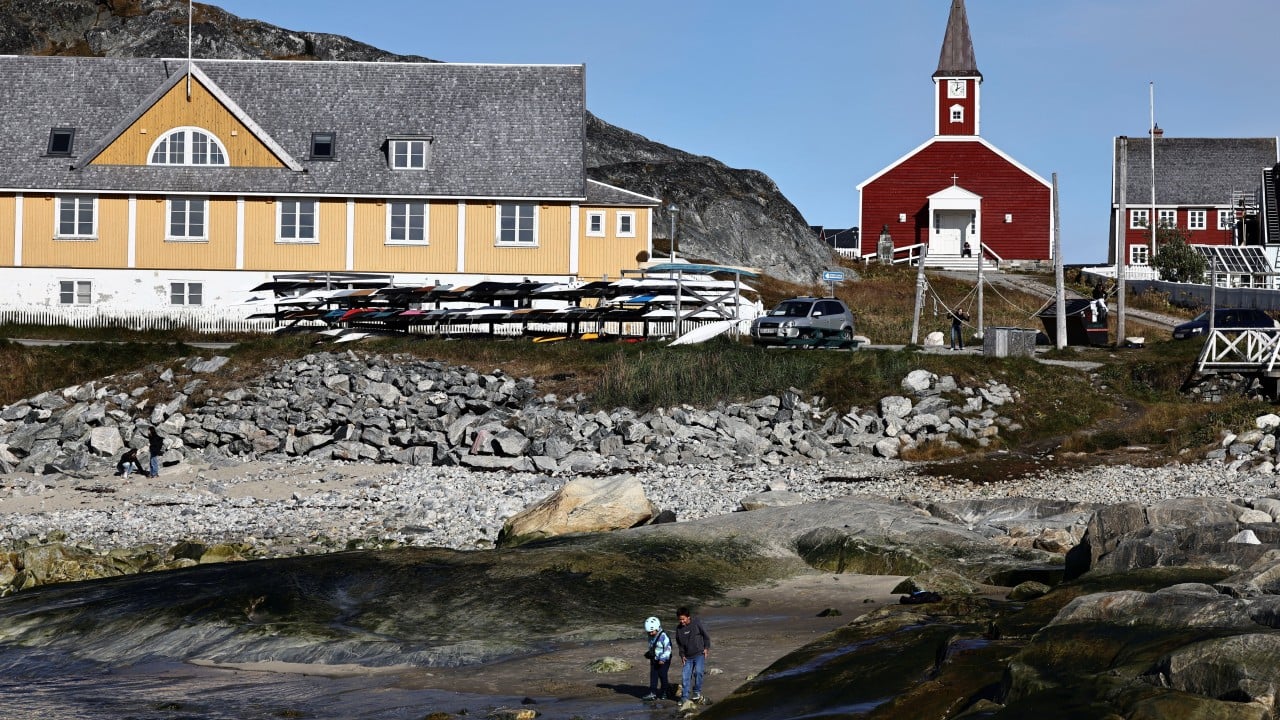
Talk to a fisherman in Kangerlussuaq, and you hear a different story altogether. He does not speak of gross domestic product or great power competition. He speaks of the ice coming later in the autumn. He speaks of hunting routes that grandparents mapped out over centuries, now dissolving into treacherous slush. He watches foreign geologists and diplomats arrive in chartered jets, wondering if anyone in the grand capitals actually cares about the people who call the ice home.
This is the central tension of the new Arctic.
The world is rushing northward because the ice is melting. That is the bitter irony at the heart of the story. Climate change, driven by industrial expansion to the south, is carving open new maritime lanes and exposing mineral wealth that was locked away for millennia. The very crisis destroying the traditional way of life is simultaneously creating the stage for a modern geopolitical scramble.
As the United States tightens its diplomatic embrace of Nuuk, the immediate effect is a narrowing of China’s maneuvering room. Mining projects that once seemed destined for Eastern financing face stricter regulatory scrutiny and competing Western bids. Research facilities that doubled as intelligence-gathering nodes are met with sharper local and allied skepticism. The open door is gently, firmly being pulled shut.
But geopolitics is never a static painting. It is a living, breathing current.
Beijing is not simply packing its bags and retreating south. Global ambitions of this magnitude adapt. They find new entry points through maritime logistics, satellite telemetry, and financial diplomacy. The contest for the roof of the world has merely entered its second, more sophisticated phase. One side offers security and shared democratic values; the other offers vast capital and an insatiable appetite for raw materials.
Standing on the cliffs of Greenland, watching a single iceberg drift silently into the darkening sea, the grand strategies of Washington and Beijing feel impossibly distant, yet completely inescapable. The wind bites through heavy wool. The horizon stretches out in an unbroken sweep of white and slate grey.
Everything is changing. The ice is retreating. The giants are staring at each other across the frozen roof of the world. And the future of the planet is being decided in the quietest places on Earth.