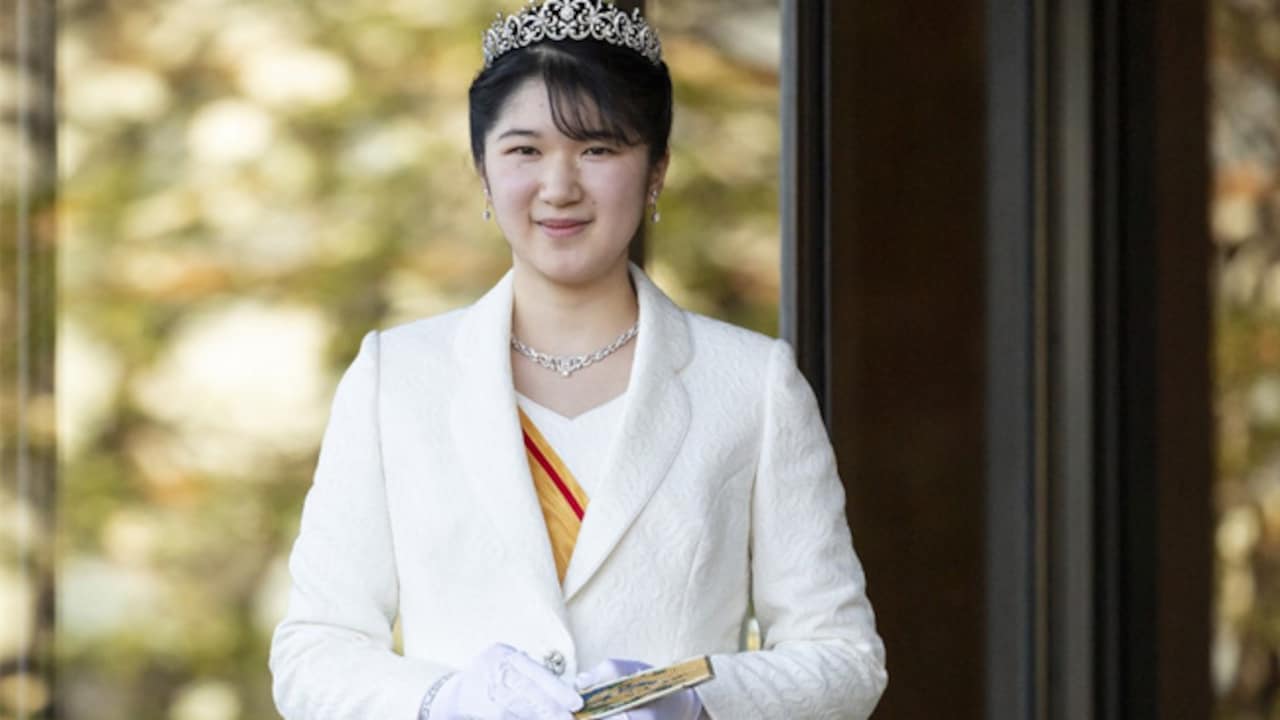
The Royal Reception at Paro International Airport
Princess Akiko of Mikasa stepped onto the tarmac at Paro International Airport, greeted by the crisp Himalayan air and an honor guard that signaled far more than standard diplomatic politeness. This was not a routine holiday or a casual meet-and-greet orchestrated by mid-level bureaucrats. This visit marked the fortieth anniversary of formal diplomatic relations between Japan and Bhutan, an alliance forged quietly away from the glaring flashbulbs of Western media. King Jigme Khesar Namgyel Wangchuck hosted the Japanese royal visitor in Thimphu, cementing ties that rely on mutual respect, shared spiritual philosophies, and an intentional avoidance of transactional geopolitical maneuvering.
Most foreign policy analysts in Washington and London treat bilateral ties involving smaller Himalayan nations as footnotes. They miss the plot entirely. Tokyo and Thimphu have quietly built a blueprint for international cooperation that bypasses predatory loans, debt-trap diplomacy, and militarized posturing. Instead, their four-decade partnership offers a masterclass in how a major industrial superpower interacts with a developing constitutional monarchy without stripping away local autonomy.
Beyond the Silk and Statues
Diplomacy usually reeks of desperation. Nations sign trade pacts because they need minerals, shipping lanes, or military bases to counter a regional rival. Japan and Bhutan share none of those frantic imperatives. Japan has zero territorial ambitions in South Asia, and Bhutan maintains a strict policy of keeping its pristine ecosystem unpolluted by heavy industrial conglomerates.
When Princess Akiko traveled through the mountain kingdom, her itinerary highlighted agricultural cooperation, education exchanges, and heritage preservation rather than multi-billion-dollar infrastructure megaprojects destined to rust. Japanese agricultural experts have spent decades advising Bhutanese farmers on modernizing crop yields while preserving traditional organic methods. This is soft power executed with surgical precision.
Look closely at the mechanics of this relationship. Japan's official development assistance to Bhutan has traditionally avoided the crushing conditions imposed by other creditor nations. Tokyo provides grants rather than high-interest loans, protecting Bhutan from the financial hemorrhaging that has crippled neighboring economies in the region.
The Monarchy Factor
Dynastic ties matter in traditional societies. The Japanese Imperial Family holds a unique place in global statecraft, operating outside the political fray of elected prime ministers who cycle through office every twelve months. When a royal emissary like Princess Akiko visits Thimphu, she speaks with the institutional memory of an ancient dynasty. She understands the weight of tradition because her own family represents the oldest continuous hereditary monarchy in the world.
King Jigme Khesar Namgyel Wangchuck recognizes the value of this shared ethos. Bhutanese society is navigating a high-stakes transition. The country is attempting to modernize its economy, stem the emigration of its youth seeking tech jobs in Australia, and construct the ambitious Gelephu Mindfulness City—a futuristic economic hub designed around sustainability.
Partnering with Tokyo provides Bhutan with a trusted anchor. Japanese technology firms and academic institutions offer expertise in earthquake-resistant construction, IT infrastructure, and renewable energy without demanding cultural conformity in return.
The Quiet Counterweight to Regional Hegemony
To understand why this forty-year milestone deserves front-page attention, one must map out the geopolitical geography of the region. Bhutan sits squeezed between two nuclear-armed giants, India and China. Navigating this hyper-sensitive tripoint requires diplomatic acrobatics of the highest order. Bhutan maintains a special treaty relationship with New Delhi while simultaneously negotiating a permanent border settlement with Beijing.
Where does Tokyo fit into this delicate balancing act? Japan acts as a trusted, neutral third-party benefactor. By welcoming Japanese investment, educational programs, and cultural delegations, Thimphu diversifies its international partnerships. It prevents total economic or strategic dependency on any single immediate neighbor.
Tokyo views Bhutan through a complementary lens. For decades, Japanese foreign policy has championed the concept of human security—protecting individual lives, dignity, and cultural heritage. Bhutan's pioneering metric of Gross National Happiness resonates deeply with Japanese intellectuals and policymakers who worry about the soul-crushing burnout of hyper-capitalist modernity.
What the Next Decade Holds
Diplomacy rarely survives contact with shifting global power dynamics unless it adapts. As Princess Akiko concluded her engagements in Thimphu, the conversation shifted from celebrating past milestones to engineering the next era of collaboration. Climate change poses an existential threat to Himalayan glaciers, and Japanese hydrological engineers are quietly working alongside Bhutanese scientists to monitor glacial lake outburst floods.
This is the unglamorous side of international relations. No treaties were signed with pompous declarations broadcast to millions. Instead, researchers shared data, students applied for scholarships, and two distinct monarchies reaffirmed an unwritten pact of mutual protection against the noise of a chaotic world.
The relationship endures because neither nation asks the other to change its core identity. In a global arena dominated by coercion and loud ultimatums, that restraint remains the rarest commodity of all.