The salt air off the coast of Wajima smells of kelp and cold depths. For generations, fishermen here have watched the horizon for changes in the weather, reading the gray waves like pages of an old book. But lately, the horizon holds a different kind of weight. It is the invisible vibration of geopolitics, a tension that doesn't arrive with the crash of a storm, but in the quiet, metallic click of radar installations turning on the hillsides.
An old man mending nets on a wooden pier does not think in terms of grand strategy. He thinks of his grandson, who recently joined the Self-Defense Forces. He thinks of the silence that used to belong to the sea. Now, that silence is punctuated by the roar of scrambled fighter jets blasting into the clouds, answering a ghost on a screen hundreds of miles away.
Across the water, in a fortress of concrete and absolute certainty, a leader delivers a speech. Pyongang’s rhetoric is rarely subtle, but the recent declarations from Kim Jong Un carry a specific, sharp edge. He claims that Japan, once a defeated empire bound by a pacifist soul, is actively transforming back into what he terms a "war state."
To read the headlines, it sounds like a simple dispute between old rivals. But the truth is far messier, wrapped in the scars of the twentieth century and the terrifying realities of the twenty-first.
The Ghost in the Constitution
To understand why a few policy changes in Tokyo cause tremors in Pyongyang, you have to look at a document written in the ashes of 1945. Japan’s Article 9 is famous. It is a literal renunciation of war. For decades, it wasn't just law; it was an identity. A generation grew up believing their country had stepped out of the arena of blood and iron forever.
But identity is a luxury of peaceful times.
Imagine sitting in a house with no locks on the doors because everyone on the block promised to be good neighbors. Then, the neighbor across the street starts testing explosives in his backyard. He builds missiles that can fly directly over your roof. He explicitly says he has a grudge against you.
Do you keep the doors unlocked?
This is the psychological shift happening inside Japan. It is not a sudden thirst for conquest. It is the slow, agonizing realization that the shield of pacifism might not stop a ballistic missile. When Pyongyang launches test weapons that splash into the waters of Japan’s exclusive economic zone, the splash is heard in the boardrooms of Tokyo and the kitchens of Hokkaido. It changes how people vote. It changes how they view the future.
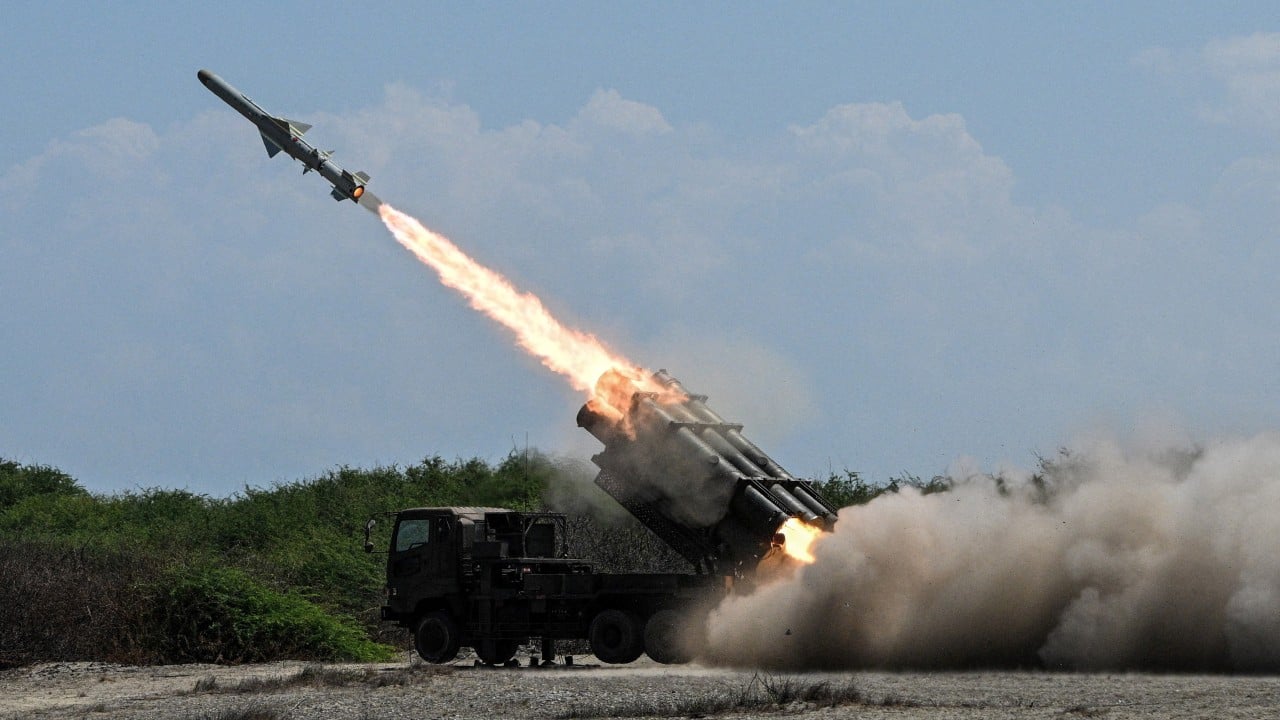
The shift is material. Japan has steadily signaled a departure from its strictly defensive posture, moves highlighted by historic increases in defense spending and the acquisition of "counterstrike" capabilities—the ability to hit back at enemy bases if an attack is imminent. To Kim Jong Un, this looks like the awakening of an old monster. To Tokyo, it looks like buying a lock for the door.
The Language of Survival
When Pyongyang condemns these military adjustments, the words are chosen for maximum emotional impact. By calling Japan a "war state," the regime taps into deep-seated historical trauma across the region. It builds a narrative of a nation surrounded by predators, justifying its own crushing military expenditures and nuclear program to its citizens.
Consider what happens next when both sides believe they are the ones acting in self-defense.
A military exercise in the waters between the Korean Peninsula and Japan is never just an exercise. It is a choreography of nerves. On a Japanese destroyer, a young officer stares at a monitor. The technology is flawless, cutting-edge, capable of tracking multiple targets simultaneously. Yet, the human heart behind the uniform beats with the same ancient anxiety of any soldier in history. One miscalculation, one radar glitch interpreted as a hostile launch, and the delicate balance snaps.
The tragedy of the modern Pacific is that both sides are reading from entirely different scripts. Tokyo sees its security upgrades as a reluctant, necessary evolution to deter aggression from an increasingly volatile neighbor. Pyongyang views those same upgrades as proof that its paranoia was justified all along.
The Weight of the New Horizon
This isn't a chess game played with wooden pieces. The stakes are counted in human lives, in the economic stability of a region that powers the global economy, and in the quiet anxiety of everyday citizens. The transition from a nation that swore off war to one that openly prepares for the possibility of it changes the fabric of a society. It alters what teachers tell children about their country's role in the world. It shifts the allocation of billions of dollars from social safety nets to missile batteries.
The old fisherman in Wajima finishes his knot. The net is strong, built to withstand the pull of the tide and the thrashing of the catch. But he knows that some forces cannot be caught or contained by human hands.
As the sun dips below the horizon, painting the Sea of Japan in shades of bruised purple and gold, the radar towers on the cliffs keep spinning. They search the empty air, waiting for a future that everyone is trying to prevent, yet everyone is racing to prepare for.

/https://tf-cmsv2-smithsonianmag-media.s3.amazonaws.com/filer/c6/97/c697b065-e0bd-4970-81ea-819779296b91/u765404inp.jpg)
