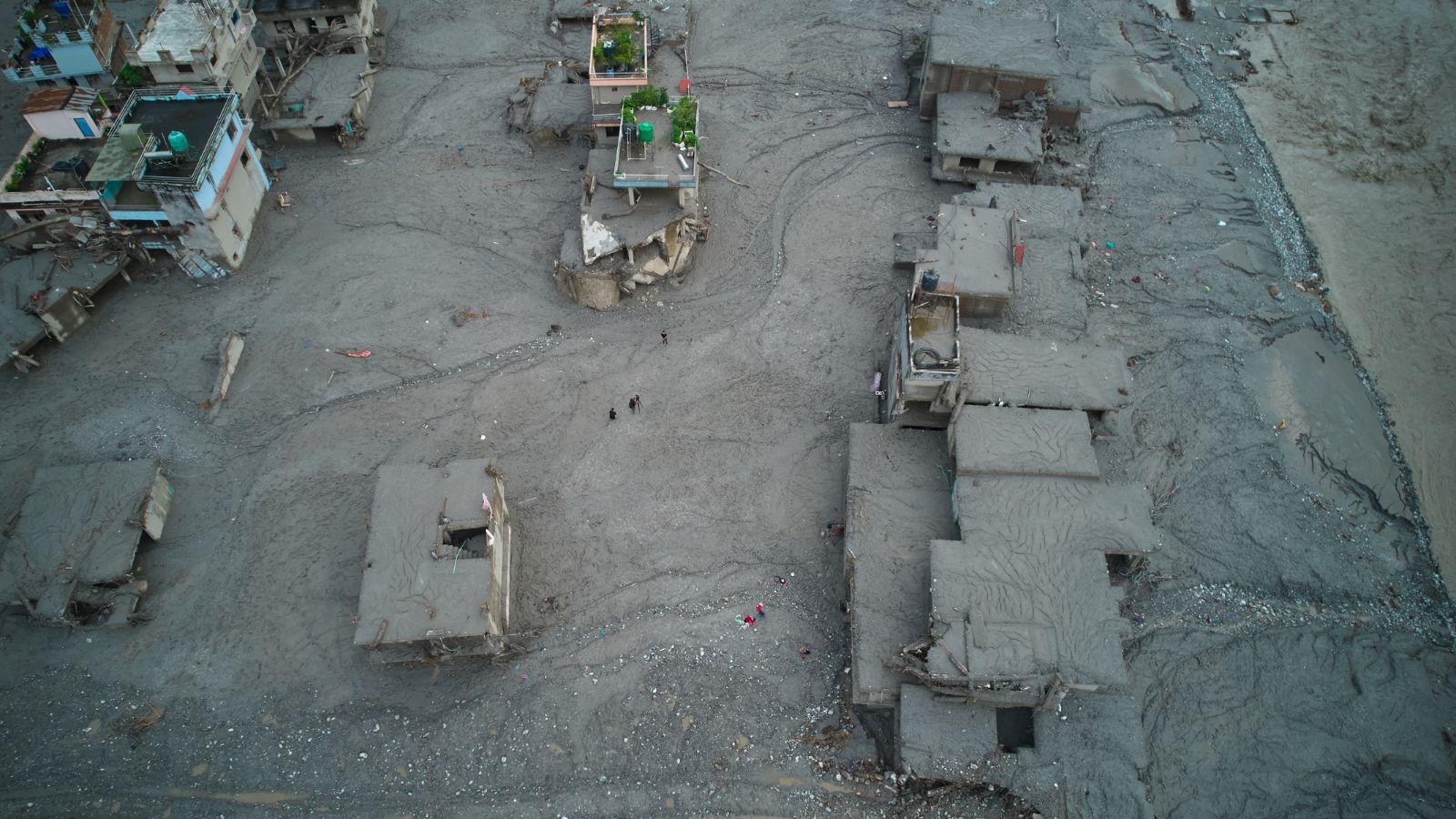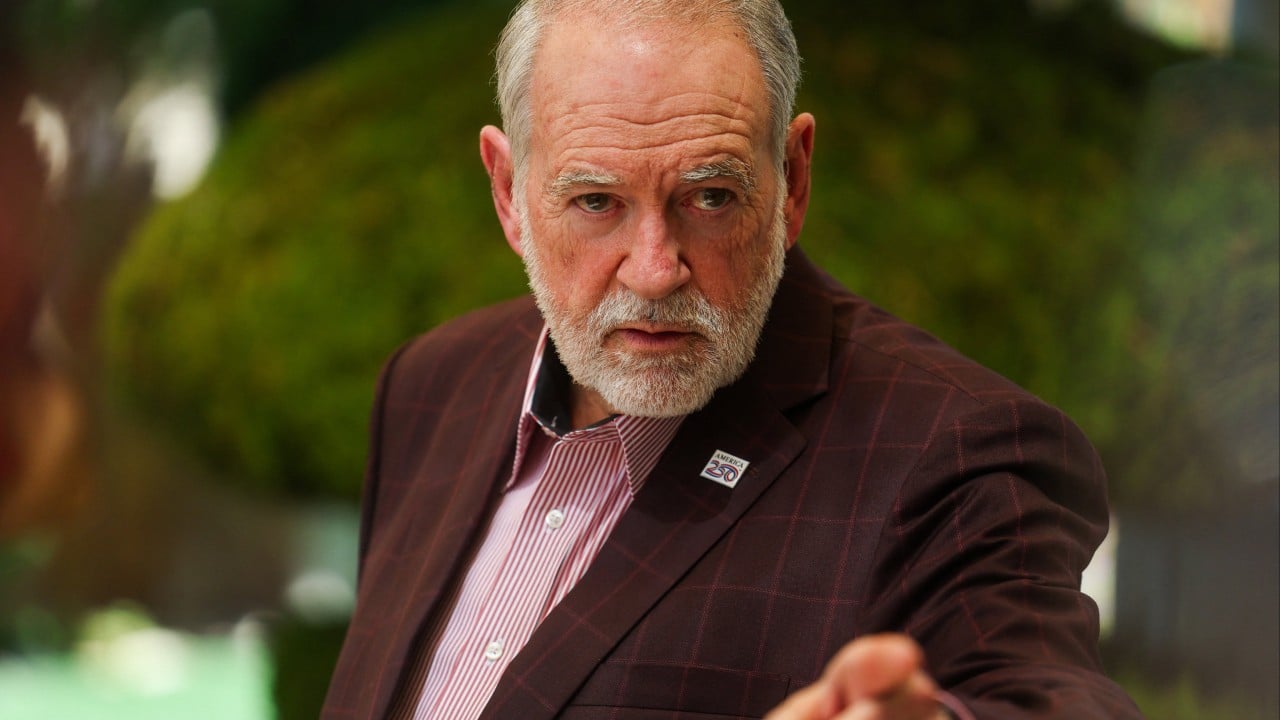
The situation in the West Bank has reached a boiling point. When a United States ambassador openly applies the label of terrorism to violent acts committed by Israeli settlers, diplomatic norms shift. You aren't just looking at localized skirmishes anymore. You are watching a structural crisis unfold in real time.
For months, regional flashpoints have multiplied across the West Bank. Entire communities have found themselves trapped, facing coordinated sieges that cut off basic utilities like water, food, and electricity. International monitors, including the United Nations, note that daily incidents involving extremist groups have surged to record-breaking highs. Rhetoric from foreign missions has sharpened because standard diplomatic warnings clearly stopped working.
Breaking Down the Diplomatic Shift
Washington usually sticks to careful, measured phrasing. Diplomats lean heavily on words like "deeply concerning" or "unacceptable." Calling extremist settler actions an explicit act of terror changes the baseline. It puts allied governments on notice.
- The economic cost of ongoing regional instability spikes weekly.
- Security forces on the ground face mounting pressure to choose a side.
- Local civilian populations bear the brunt of the physical destruction.
Diplomats are running out of patience with impunity. When radical factions burn property and trap families inside residential homes, they cross a legal and moral line. Governments funding or supporting regional security frameworks expect basic adherence to the rule of law. Right now, that rule is breaking down.
What the Ground Reality Looks Like
If you talk to people living in the affected villages, you realize statistics miss the human cost. Curfews, roadblocks, and armed incursions dictate everyday survival. Farmers cannot reach olive groves. Children miss school weeks at a time.
The Israel Defense Forces often find themselves stretched thin, managing multiple fronts while rogue elements exploit the chaos. Some field commanders actively try to disperse violent crowds, but accountability remains scarce. Arrest rates for extremist ideologues carrying out property destruction stay remarkably low compared to the swift legal actions taken elsewhere.
Why This Matters for the Future
Ignoring the escalation won't make it stop. International pressure will likely manifest as targeted visa bans and asset freezes against specific agitators. Allied nations are done offering blank checks for security policies that tolerate domestic extremism. If accountability doesn't come from within local judicial systems, outside actors will increasingly impose consequences.
Keep an eye on how regional security budgets shift over the coming months. The tolerance window for lawlessness in the territories is closing fast.
U.S. Ambassador condemns 'Israeli terrorists' for siege of West Bank
This video provides an on-the-ground report regarding the U.S. ambassador's condemnation of extremist settler actions and the ongoing security crisis in the West Bank.
http://googleusercontent.com/youtube_content/1