We measure our lives in trivial integers. The calories in a morning latte, the minutes saved by taking the turnpike, the price of a gallon of gas. But beneath the surface of daily routine lies a massive, mechanical heartbeat that keeps billions of people fed without them ever having to think about the source. It is a logistics grid forged from steel, grain elevators, and cargo holds. When a fracture appears in that framework, the consequences do not announce themselves with sirens. They whisper. They show up slowly, quietly, in the aisle of a grocery store where the price tag on a cut of beef ticks upward by another dollar, stretching working-class budgets until they tear.
Consider what happens next. A statistic is thrown into the global arena. Three hundred thousand metric tons.
It sounds like an abstraction. A dry data point plucked from a press release or a late-night negotiation. Yet behind that colossal number stands a reality of ranchlands, feedlots, processing plants, and the invisible pressures of international trade. It represents a promise. Or, at the very least, a leverage point in a high-stakes chess match where the currency is sustenance itself.
The political theater of food supply is an ancient art. Leaders have always understood that a well-fed populace is quiet, while an empty plate is the mother of revolution. When figures of immense power toss out massive quantities like trading cards, the public reaction is a mixture of awe and deep cynicism. We have grown accustomed to promises wrapped in political ambition. We look at the numbers and wonder how much of that tonnage will actually make it to a plate, and how much is merely rhetoric designed to soothe an anxious electorate.
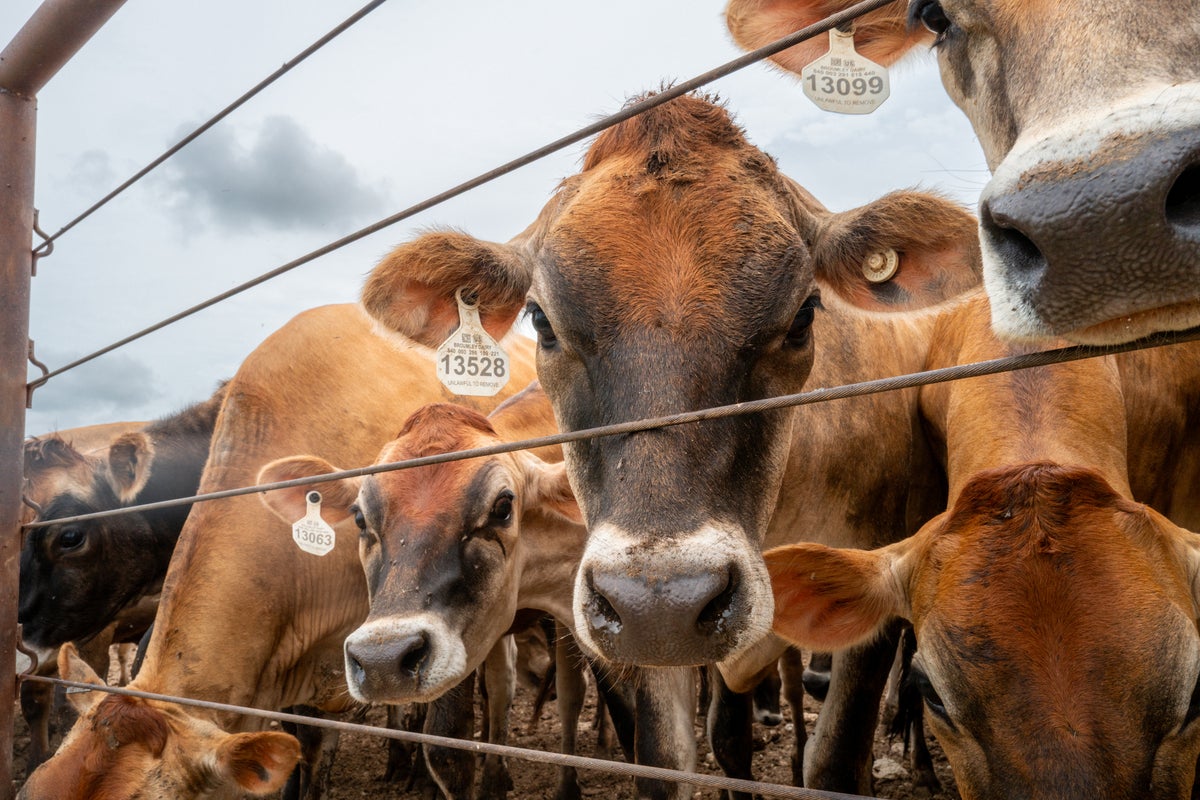
Behind the grand declarations are the human stakes. Picture a rancher in the High Plains standing on parched soil, watching the cost of feed climb month after month while the profit margins narrow to a razor's edge. That rancher does not care about geopolitical posturing. They care about whether their operation will survive another year. Down the chain, a single mother navigates the fluorescent-lit aisles of a discount supermarket, calculating whether she can afford ground beef for Tuesday's dinner or if she has to stretch the meal with lentils and rice once again.
The disconnect between geopolitical grandstanding and the kitchen table is vast. When millions of tons of commodities are discussed as pawns, the human cost is measured in quiet compromises. It is the skipped meal. It is the deferred dream. It is the constant, low-humming anxiety of watching the cost of living outpace the paycheck.
Yet, numbers like three hundred thousand metric tons also reveal the sheer scale of modern agricultural ambition. We live in an era capable of moving mountains of protein across oceans in refrigerated containers, feeding megacities thousands of miles away from the pastures where the livestock was raised. It is a marvel of human engineering, even if it is frequently marred by inefficiency, politics, and greed.
The danger lies in treating food merely as a statistic. When we reduce human survival to a ledger entry, we lose sight of the dignity inherent in a simple meal shared among family. The political winds will shift. Headlines will cycle away from trade negotiations and export quotas toward the next manufactured crisis.
But the hunger remains. The need for stability remains. And every time a leader grandstands about colossal shipments of meat, the real story is written in the quiet endurance of ordinary people trying to feed their families in a world that feels increasingly heavy.