The sea does not keep secrets, but it does know how to hide them.
On a gray stretch of coastline near Brighton, the water behaves as it always has: indifferent, rhythmic, ancient. It rolls in with a heavy sigh, kisses the shingle, and pulls away, dragging loose stones back into the deep with a sound like breaking glass. To the weekend walkers wrapped in heavy coats, the shoreline is a place of bracing air and brief escapes. To others, it is simply the edge.
Autopsy reports and coroner's rulings deal in clean, sterile architecture. They use words like inquest, immersion, conclusion. They record dates, times, and toxicology screens with the detachment of a ledger balancing accounts. But a coroner's gavel cannot measure the distance between two sisters standing at the water's edge, watching the spray catch the pale light of a fading afternoon.
It cannot calculate the weight of silence.
Seaside towns carry a distinct sort of melancholy once the summer crowds retreat. The neon signs on the piers buzz against a salt-thickened fog. The pebble beaches stretch out empty, save for the gulls crying out over the crests. In that quiet, isolation feels less like a choice and more like a law of physics.
We talk endlessly about mental health as a crisis of individuals, as if a human mind exists in a vacuum, completely sealed off from the atmospheric pressure of the world. We hand out helplines on glossy brochures and urge people to speak up, as though reaching out were as simple as turning on a lamp in a dark room. We forget that sometimes the room is entirely dark, and the switch has rusted over.
Consider what happens when grief or despair is not a sudden lightning strike, but a slow, rising tide.
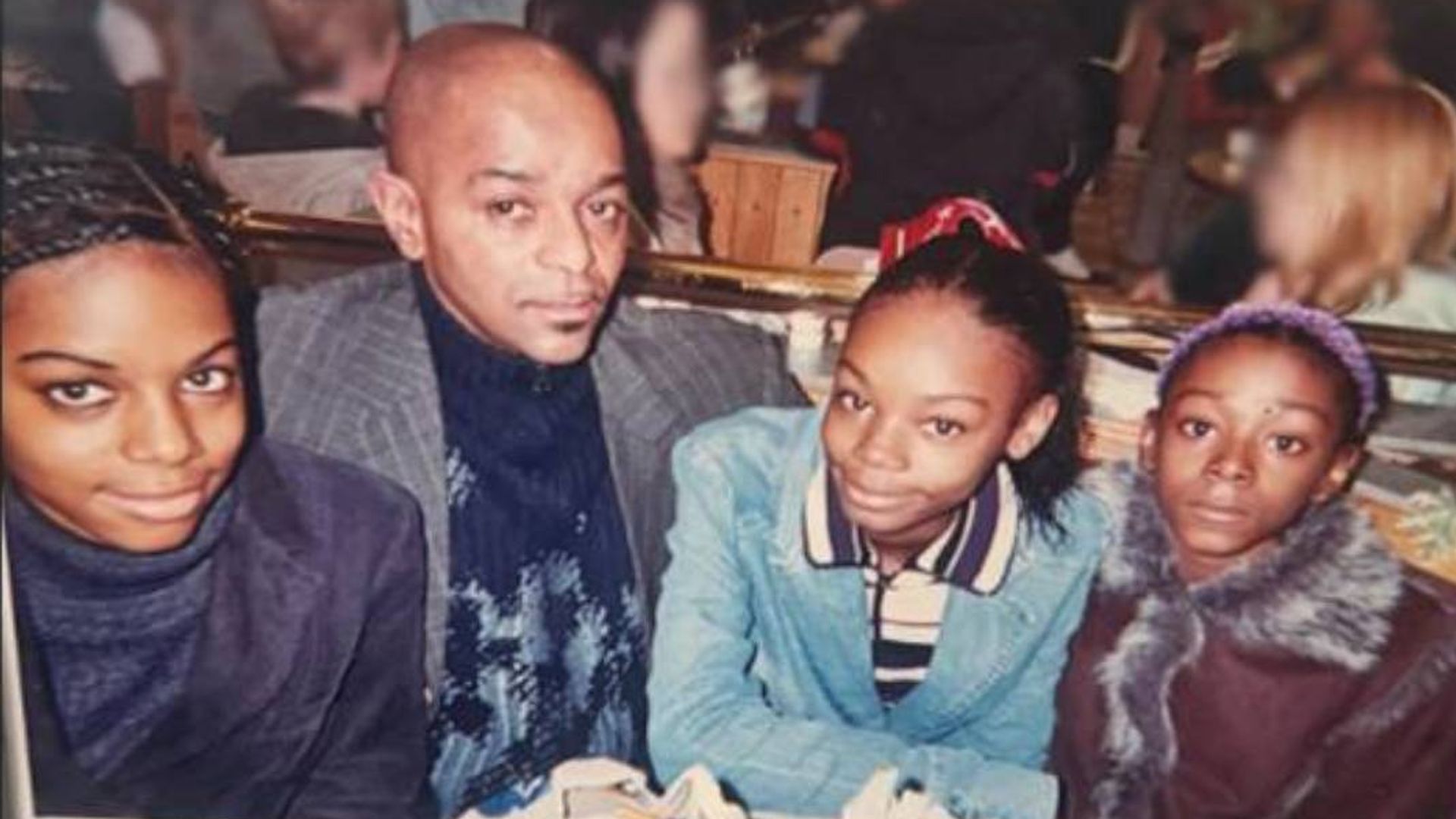
Sisters. The word alone implies a shared language, a private dictionary built over decades of childhood shared bedrooms, whispered secrets, and unspoken rivalries. To lose one is to lose an anchor to your own history. To lose both, in a final, tragic convergence of despair near the crashing Sussex surf, suggests a pain so total it bypassed words entirely.
When the news broke of their bodies pulled from the sea, the public response followed a familiar, tragic script. Expressions of shock. Condolences offered by strangers on social media. Then, the inevitable questions from armchair commentators asking how something like this could happen, as if tragedy were a puzzle with missing edge pieces.
People want simple answers. They want a villain, a single broken system, or a glaring warning sign that was ignored. Reality is rarely so cooperative. Pain is quiet. It wears sensible shoes. It goes to work, buys groceries, and answers text messages with a reassuring emoji. It smiles across kitchen tables while quietly mapping out an exit strategy.
The coroner’s court heard of water in the lungs and verdicts of suicide. Those are the official markers. But they tell us nothing of the wind that day, or the chill in the air, or the precise moment when the burden of staying alive finally outweighed the terror of letting go.
We are terrible at witnessing other people's quiet descents. Our culture rewards performance, resilience, the relentless pursuit of looking fine. We ask how someone is doing, and we accept the polite lie because the truth is inconvenient and heavy. We prefer our tragedies neatly compartmentalized into news briefs, consumed between sips of morning coffee, before we scroll past to something more comfortable.
Yet every coastline has its ghosts.
Walk along the English Channel long enough, and you realize the water holds the memory of every person who ever walked into it looking for an end to the noise. The pebbles shift beneath your boots, unstable and loose. One misstep, one moment of surrender, and the sea takes over.
There is a profound loneliness in modern existence. We are hyper-connected yet fundamentally untethered. We watch each other's highlight reels while quiet battles rage behind closed blinds. When the sisters walked into the sea near Brighton, they did so into a vast, uncaring expanse that offered no judgment—only a cold, absolute quiet.
We owe them more than a momentary shudder of pity followed by a return to our feeds. We owe them the honesty to examine the society we have built—one where people can suffer so invisibly, so completely, that the only sanctuary they can find is the freezing embrace of the tide.
The waves continue to crash against the shore. The gulls wheel overhead, crying out into the salt air. The pebbles shift and settle.
And somewhere, in houses across the country, other quiet battles are being fought in the dark, waiting for someone to notice the silence before it becomes permanent.