Dirt does not keep secrets forever.
Sometimes, it simply waits for the right machine to turn it over.
Picture the heavy machinery roaring across the dry earth of Angola, diesel engines coughing blue smoke into the blistering African sky. Workers are carving out the future, moving tons of reddish soil to build a massive hydroelectric dam. They are chasing progress. They are chasing electricity, development, and control over a river that has flooded and receded for millennia.
Then, the shovel hits something that does not crumble.
It does not crack like dry roots. It does not snap like old timber. It gives off the dull, heavy thud of ancient clay and bone.
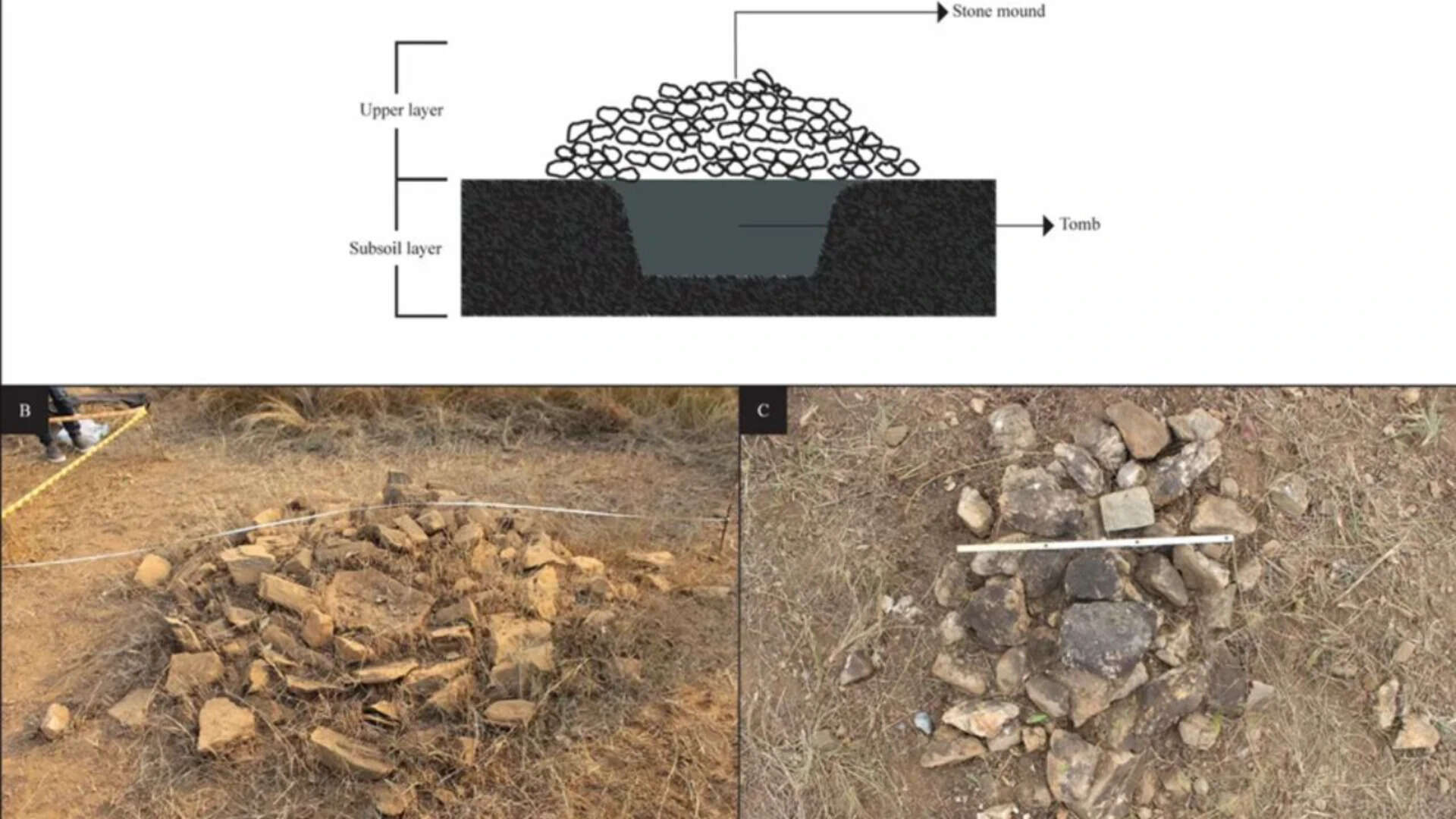
Before the rising reservoir could swallow the valley whole, before the modern world drowned the past beneath a lake of concrete and current, the earth gave up its dead. Construction crews and archaeologists uncovered a series of fifteenth-century burials, pulling a forgotten chapter of human history out of the shadows just seconds before the floodwaters erased it permanently.
Consider the weight of that timing.
History is rarely discovered in a quiet library. More often, it is rescued at the very edge of destruction.
The Silence of the Valley
Long before the blueprint for the dam was ever drawn on a clean sheet of paper in an air-conditioned office, this Angolan valley belonged to the ancestors.
Imagine a fifteenth-century afternoon here. The air smells of woodsmoke and crushed grass. The river moves at its own lazy pace, cutting through the red earth, providing life to a community that understands its rhythms intimately. People lived, loved, argued, planted crops, and buried their family members in the soil that sustained them. They performed rituals now lost to time. They placed their dead in the earth with care, wrapping them or positioning them according to beliefs that connected the soul to the very ground beneath their feet.
They did not know that centuries later, a wall of steel and stone would alter the geography of their descendants.
When modern infrastructure projects sweep across developing regions, they promise a better tomorrow. Power grids expand. Cities grow brighter. Economies find a pulse. But progress has a habit of demanding collateral. In this case, the collateral was an undisturbed archaeological treasure trove tucked quietly away in the path of the future reservoir.
When the excavation began, the sheer scale of what lay beneath the topsoil became apparent. These were not random remains. These were structured, deliberate fifteenth-century burials.
The Race Against the Rising Tide
Time became the ultimate enemy.
Dams do not wait for historians. Once construction hits a certain phase, the diversion channels close. The gates shut. The water begins to creep up the hillsides, turning dry paths into deep lakes, submerging trees, rocks, and anything left behind beneath murky depths.
Archaeologists had a terrifyingly narrow window.
Picture scientists and local workers laboring under the relentless sun, trading heavy machinery for tiny trowels, brushes, and sieves. Every centimeter of dirt brushed away revealed artifacts, skeletal remains, and clues about a society that thrived in Angola long before colonial borders were drawn across the continent.
They found grave goods. Pottery shards. Beads. Metal objects that hinted at trade networks stretching much farther than previously assumed. Each item was a voice speaking across five hundred years of silence.
The emotional core of the discovery is staggering. We live in an age obsessed with speed, future projections, and digital footprints that last forever. Yet, these fifteenth-century individuals left behind something far more enduring: their physical presence, preserved by the very earth that was about to be drowned.
What the Water Took and What It Left Behind
Today, the reservoir is full.
The surface of the water is calm, glassy, and deceptively peaceful. If you rent a small boat and float across the middle of that man-made lake, you would never know that beneath your hull lies an ancient cemetery. You would see only the reflection of the clouds and the green fringe of the shoreline.
The dam achieved its purpose. Lights turn on in distant homes. Factories hum. The economy pulses forward.
Yet, something vital was almost lost to the deep.
The workers who uncovered those burials did not just find bones; they found a mirror. They forced a rapidly modernizing world to pause and look backward into the dark, damp earth before flooding the future. They reminded us that every foot of soil we pave over, every river we dam, and every modern marvel we build rests directly on the quiet, forgotten foundations of those who came before us.
The water rose. The valley vanished. But the names may be gone, the stories were salvaged just in time.
The surface of the lake stays still, hiding the depths below, but the earth remembers what it held.