Los Angeles is a city that will dress a domestic predator in a neon vest, slap a piece of nylon cord around its neck, and call it progressive self-care. Scroll through local social feeds or walk through Silver Lake on any given Sunday, and you will spot them. Proud urban pet parents dragging bewildered felines down concrete sidewalks, dodging electric scooters, and pretending their cat is living its best outdoor life.
The lazy consensus says this is a win-win. The narrative goes that indoor cats get fresh air, mental stimulation, and exercise, while owners get an adorable conversation starter and a break from the litter box blues. Animal behaviorists and lifestyle influencers beam with approval.
They are wrong.
Walking a cat on a leash is not an act of enrichment. It is a projection of human lifestyle neurosis onto an animal that experiences the world through an entirely different sensory architecture. You are taking a territorial ambush predator designed for vertical escape and low-stress stealth, dragging it across a flat, deafening, asphalt-heavy grid, and labeling it bonding.
Let us look at the mechanics of feline neurology. A cat does not process its environment through panoramic visual sweeps like a diurnal primate. It processes the world through localized micro-vibrations, scent marking, and spatial predictability. Your living room, your hallway, and your bedroom form a closed, mapped territory where your cat holds apex status. Every corner is anointed with facial pheromones. Every shadow is accounted for.
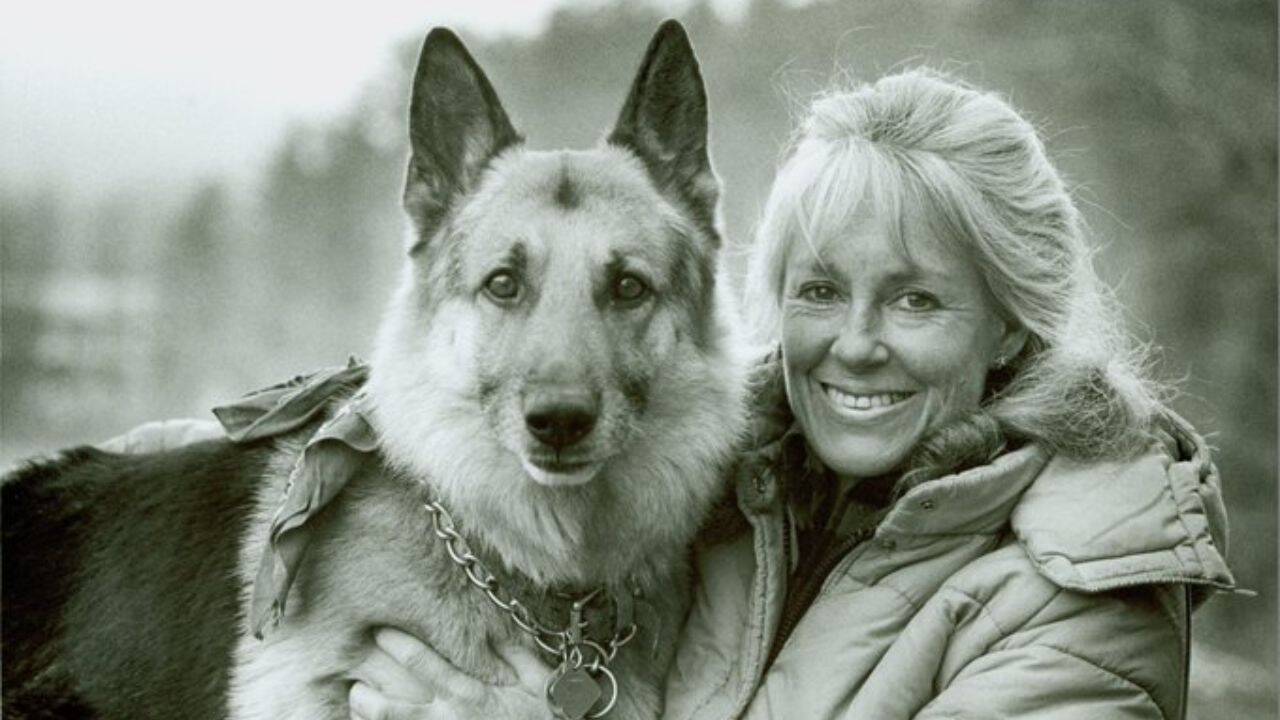
When you strap a harness on that same cat and pull it out the front door, you shatter its psychological baseline. The asphalt is burning hot. The sound of a passing Tesla or a barking German Shepherd three houses down is not "stimulation" to a cat; it is a sensory terror event. The sympathetic nervous system spikes immediately. Heart rates double. Adrenaline floods the system.
The reason your cat freezes, flattens its ears, or tries to scale your shin isn't curiosity. It is panic. What humans mistake for outdoor enjoyment is often a state of functional paralysis or hyper-vigilant shock.
The Domestic Tiger Fallacy
We love to anthropomorphize. We look at big cats pacing enclosures in documentaries and assume our couch panthers share that vast, roaming Serengeti wanderlust. They do not. Felis catus is a localized territorial generalist. Their evolutionary imperative is energy conservation and territorial security, not distance exploration.
When pet owners insist their cat is "begging" to go outside because it sits by the front door, they are misreading the cue. The door represents the unknown boundary of the territory. In nature, investigating an unmapped perimeter is a high-stakes survival gamble, not an afternoon stroll. Your cat is checking the perimeter for intruders or escaping an indoor stressor, not looking forward to sniffing a fire hydrant on Sunset Boulevard.
I have watched well-meaning owners spend hundreds of dollars on custom tactical harnesses, specialized strollers, and GPS trackers, convincing themselves they are bridging the gap between domesticity and wild freedom. They are treating a feline like a miniature, low-slung dog.
Dogs are cooperative pack hunters built for endurance locomotion across open terrain. They possess social referencing systems that allow them to look to a human leader for cues on safety. Cats possess none of this. They are solitary hunters whose primary defense mechanism is flight and concealment. Putting a leash on a cat removes its ability to flee up a tree or wedge itself under a deck when startled. You have stripped away its only survival strategy and left it tethered to your ankles in the middle of a pedestrian zone.
What Happens When Things Go Wrong
Let us talk about the actual mechanics of a leash panic. Imagine a scenario where a sudden backfire from a delivery truck or an off-leash pit bull startles a cat mid-walk.
A startled dog pulls against a leash. A startled cat turns into liquid panic. In less than three tenths of a second, a frightened cat can reverse out of even the most expensive escape-proof harness using flexible clavicles and loose skin designed to slip the grip of raptor talons. Now you have a terrified, ungrounded apex predator bolting blind through traffic or vanishing into a dense neighborhood brush pile.
Veterinary clinics across urban centers deal with the fallout of this trend weekly: torn claws, severe soft-tissue trauma from sudden jerks, systemic stress-induced cystitis triggered by outdoor terror, and parasites that indoor cats have zero baseline immunity against. Fleas, ticks, and feline leukemia do not care about your aesthetic Instagram grid.
The Laziness of Synthetic Enrichment
The push to walk cats outdoors is often a symptom of an impoverished indoor environment. Owners do not want to invest the actual time, space, and architectural effort required to make an indoor home psychologicially satisfying for a cat, so they outsource it to the sidewalk.
True feline enrichment is verticality, predictability, and control. It is investing in floor-to-ceiling climbing structures, dynamic window perches with unobstructed views of bird activity, interactive puzzle feeders that trigger the hunting sequence safely, and scent-swapping with different rooms. It is about respecting the animal's need for a safe container.
If you want to take a walk, put on your own shoes and leave the cat on the Persian rug where it actually feels like a king instead of a panicked hostage on a string.