The coffee shop window is a thin membrane protecting you from the city. Inside, the espresso machine hisses, steam curls against stainless steel, and the air smells of roasted beans and warm milk. Outside, the rain slicks the pavement of downtown Vancouver, turning the grey asphalt into a mirror that reflects the harsh neon of storefronts. You look out. You see a silhouette walking past.
It is just another person commuting, running errands, or simply passing through the damp morning.
Until it isn't.
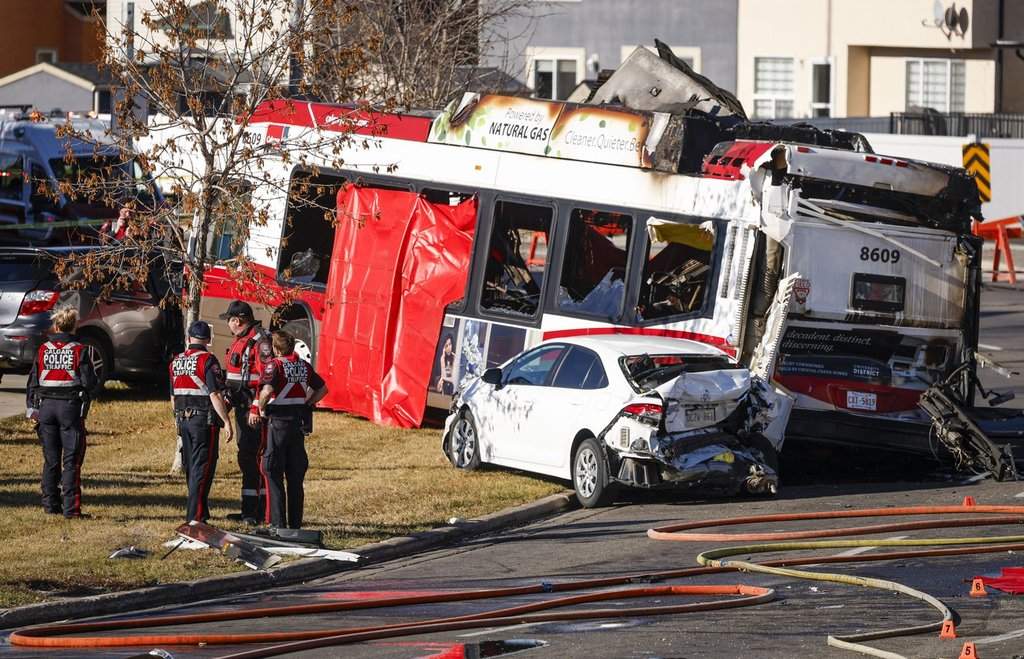
On a single ordinary day, three separate people woke up, bought their coffees, stepped out onto those very same sidewalks, and became the central figures in a terrifying statistical anomaly. Three unprovoked stranger assaults. In twenty-four hours.
To read those words on a police blotter is to read a flat sentence. It is data. It is a bullet point in an afternoon news briefing. But behind the dry police report lies a sudden, violent fracture in the ordinary world—a moment where safety evaporates in the span of a single heartbeat.
Consider what happens next.
One moment, a pedestrian is checking a text message about a delayed meeting. The next, a fist flies from nowhere. There is no argument. There is no shared history, no lingering dispute over money or turf, no long-simmering neighborhood feud. That is the chilling architecture of a stranger assault. It requires zero preparation from the victim, yet it arrives with total, devastating finality. You are chosen entirely at random, plucked from a crowd by someone whose internal reality has completely fractured.
Public safety is an invisible social contract. We walk past thousands of strangers every day, trusting an unspoken rule: we will not hurt each other. We rely on this mutual agreement so deeply that we stop noticing it entirely. It becomes as automatic as breathing.
When that contract shatters three times in a single day, the city changes shape.
The psychological fallout spreads much faster than the police cruisers can respond. Suddenly, the sidewalk feels narrower. People start walking with their keys clutched between their knuckles, headphones pulled out of ears so they can track the footsteps behind them. The peripheral vision sharpens. Every sudden movement from a passerby triggers a spike of adrenaline.
Law enforcement agencies release their bulletins with standard phrasing. Investigations are ongoing. Suspects are sought. Descriptions are broadcasted over radios. Yet, the bureaucratic language of public safety bulletins struggles to capture the profound disorientation left in the wake of random violence. When an assault is targeted, the human mind can trace a line of cause and effect, however twisted it might be. When an assault is utterly random, the mind scrambles for a narrative anchor and finds only empty air.
Why here? Why now? Why that specific face in the crowd?
There are no comforting answers to those questions. There is only the recognition of vulnerability. Urban living asks us to live in extreme proximity to millions of strangers, balancing community with privacy, openness with vigilance. Incidents like these test that balance to its absolute breaking point. They force a community to confront the frayed edges of its social fabric—the gaps where individuals experiencing severe mental health crises, addiction, or profound isolation slip completely through the cracks until they collide violently with someone else's Tuesday morning.
The sirens fade. The police tape comes down from the wet pavement. The stained glass of the storefront window is wiped clean.
Inside the coffee shop, the espresso machine hisses again. Someone laughs at a joke told across a small wooden table. Life resumes its steady rhythm, rushing to fill the vacuum left by chaos. Yet, for anyone who reads the headline and looks twice at the stranger standing next to them at the crosswalk, the city will never look entirely the same. The glass feels a little thinner now. The space between us, a little more fragile.