Courage rarely announces itself with trumpets. More often, it arrives in the quiet scrape of a wooden chair being pulled up to a desk, in a courtroom where the air smells of old paper and suppressed panic, in the steady gaze of a woman who has looked absolute power in the eye and refused to blink.
Navi Pillay knows what it sounds like when a state decides to silence its people. She has spent a lifetime listening to that specific, terrifying hum of machinery designed to grind human dignity into dust. And then, she has spent an equally long lifetime dismantling it.
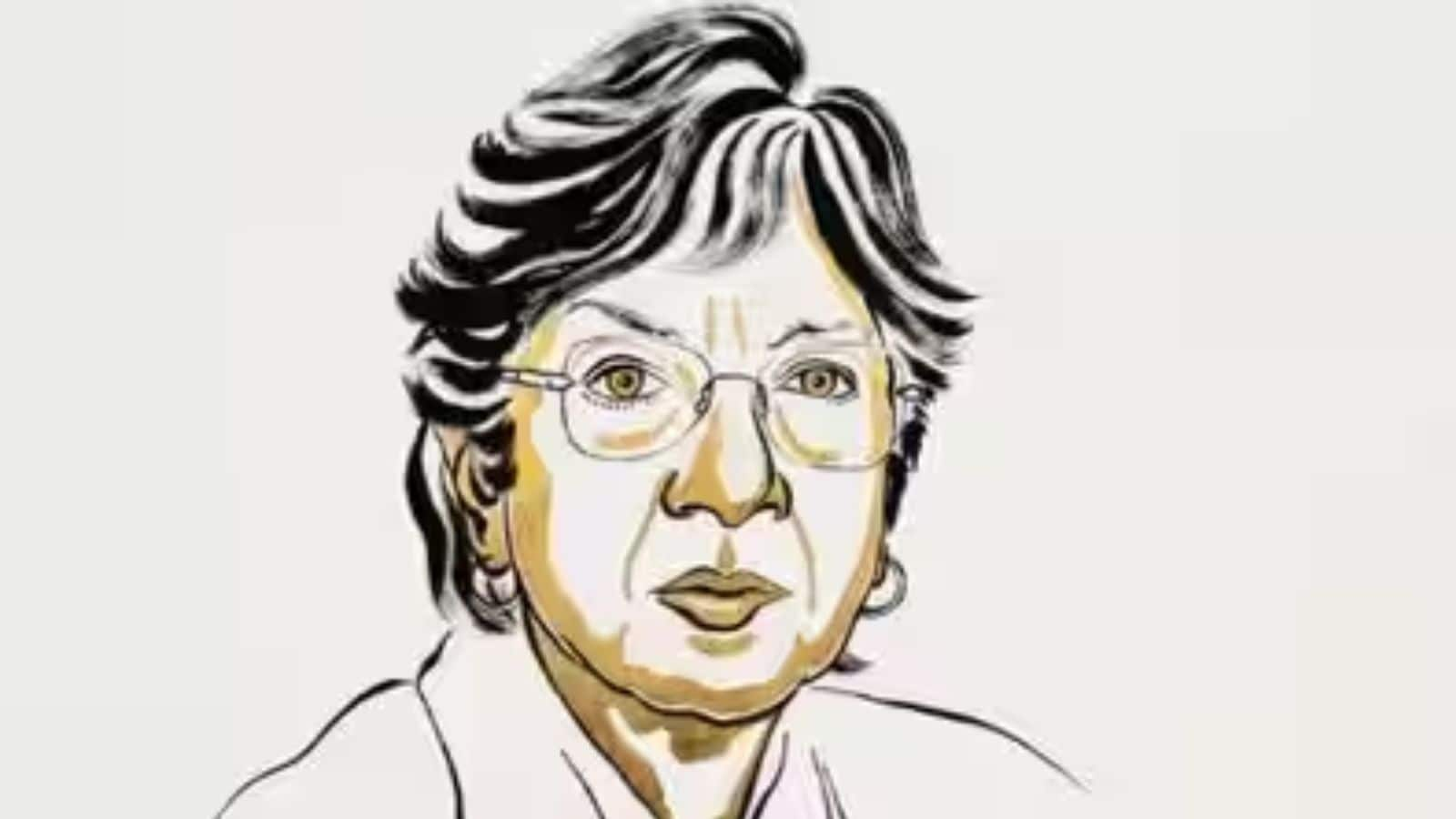
When the Norwegian Nobel Committee announced that the 2026 Nobel Peace Prize belonged to this Indian-origin jurist, the shockwaves did not rattle the gilded halls of diplomacy with sudden violence. Instead, they settled deep into the bones of every lawyer, activist, and survivor who ever wondered if speaking the truth was worth the price. It was a recognition that justice is not a passive gift handed down by benevolent kings. It is a messy, bruised, relentless pursuit waged by people willing to stand in the storm.
Picture a courtroom in Durban, South Africa, decades ago. The apartheid regime was not merely a set of laws; it was a comprehensive architecture of humiliation designed to convince millions of human beings that they did not exist. Lawyers representing political prisoners walked into rooms heavy with hostility, knowing that the bench was stacked, the prosecutors were untouchable, and the odds were entirely vertical.
Navi Pillay walked into those rooms anyway.
She did not carry a weapon. She carried ink. She carried precedent. She carried an unshakeable belief that the law, even when hijacked by monsters, could be forced to honor its own highest ideals if pushed hard enough. Defending anti-apartheid activists wasn't just a career choice. It was an act of survival in a system that viewed your very existence as a legal infraction.
To understand why Pillay earned the world's highest peace honor, you have to unlearn the comforting myth that peace is the absence of conflict. True peace requires exposure. It demands dragging the dark, damp corners of state-sponsored violence out into the harsh glare of accountability.
Consider what happens when a government turns its arsenal inward against its own citizens. The initial weapon is always denial. Nothing is happening, the spokesmen say into microphones. Everything is under control. Then comes minimization. It’s an isolated incident. Finally, when the bodies pile too high to ignore, comes justification. It was necessary for security.
Pillay spent her career shredding those excuses.
When she served as the United Nations High Commissioner for Human Rights, her office was less of an administrative bureau and more of a global alarm bell. She didn't whisper diplomatic pleasantries when dictators bombed hospitals or ethnically cleansed villages. She called them out by name. She looked at mass atrocities in Sri Lanka, in the Middle East, in the heart of Africa, and she refused to soften the blow for the sake of cocktail-party politeness.
Diplomacy loves a middle ground. Diplomacy loves a compromise. Pillay understood a terrifying truth: compromise with genocide is just a slow-motion execution.
Her Indian heritage, stretching back to indentured laborers who arrived in South Africa carrying little more than endurance, infused her worldview with a profound understanding of diaspora, displacement, and survival. She was born into a society that tried to measure human worth with a ruler carved out of racial supremacy. That background didn't make her bitter. It made her allergic to bullshit.
When people talk about international law, they often imagine it as a toothless tiger, a collection of dusty treaties signed by men in expensive suits who shake hands and then go home to ignore them. It is easy to cynicism. It is easy to look at the daily headlines of war and corruption and conclude that justice is a fairy tale whispered to comfort the naive.
Pillay’s career is the direct antidote to that cynicism.
As a judge on the International Criminal Tribunal for Rwanda, she played a monumental role in establishing rape as a weapon of war as an act of genocide. Pause on that for a second. For centuries, the horrors inflicted upon women's bodies during conflicts were swept aside as unfortunate, inevitable side effects of combat. They were treated as background noise to the grand, masculine theater of war.
Pillay and her colleagues looked at the mass rapes in Rwanda and said: No. This is a weapon of mass destruction. This is an intentional strategy to break the genetic and cultural lineage of an entire people. And it is a crime against humanity.
That single legal shift changed the landscape of global justice. It sent a message to warlords across the globe that their favorite, unspoken weapon carried a prison sentence. That is what peace looks like in practice. It isn't doves flying over a stadium. It is a cage closing around a monster who thought he was entirely safe.
Yet, holding the line against tyranny carries a brutal personal tax.
Power does not yield gracefully. When you shine a light on corruption, the corrupt try to break the lamp. Pillay faced threats, political pressure, and relentless hostility from governments that preferred their atrocities conducted in the shadows. They called her biased. They called her an activist masquerading as a jurist.
She kept working.
There is a quiet strength that comes from having nothing to prove and everything to protect. It is the strength of someone who has already survived the worst a system can throw at her and discovered that she is still standing.
When the Nobel Committee draped that honor around her shoulders, they were not just celebrating an individual resume. They were sending a frantic, urgent signal to a world currently sliding backward into autocracy. They were saying: Look at this woman. Look at what happens when you refuse to look away.
We live in an era where the rules-based international order is fraying at the edges. Strongmen are back in style. Borders are hardening. Truth is treated as a flexible commodity, easily bent by whoever holds the loudest microphone or the biggest army. In times like these, it is desperately easy to throw your hands up and surrender to despair.
The story of Navi Pillay is an aggressive rejection of that surrender.
She reminds us that institutions are only as brave as the people occupying them. She proves that a single voice, armed with legal precision and moral clarity, can paralyze a propaganda machine.
She did not win the Nobel Peace Prize because she made everyone happy. She won it because she made the right people deeply uncomfortable.
And as the world watches old conflicts reignite and new tyrants test the boundaries of human endurance, her victory serves as a stark, indelible blueprint. Justice doesn't happen by accident. It is dragged into the light, millimeter by millimeter, by stubborn individuals who refuse to let the darkness win.
The chair is pulled up to the desk. The pen is uncapped. The work continues.