Vietnamese President To Lam just landed in India for a three-day visit, and everyone's talking about one thing: the BrahMos missile. While the official itinerary mentions "deepening strategic partnerships" and "cultural ties," the real meat of the conversation is happening behind closed doors. Vietnam wants the world’s fastest supersonic cruise missile, and India is finally ready to stop being shy about selling it.
This isn't just another boring trade deal. It’s a massive shift in how Southeast Asia handles security. If this $629 million (₹6,000 crore) deal goes through, it changes the math for anyone trying to bully their way through the South China Sea.
The Mach 3 deterrent in Hanois pocket
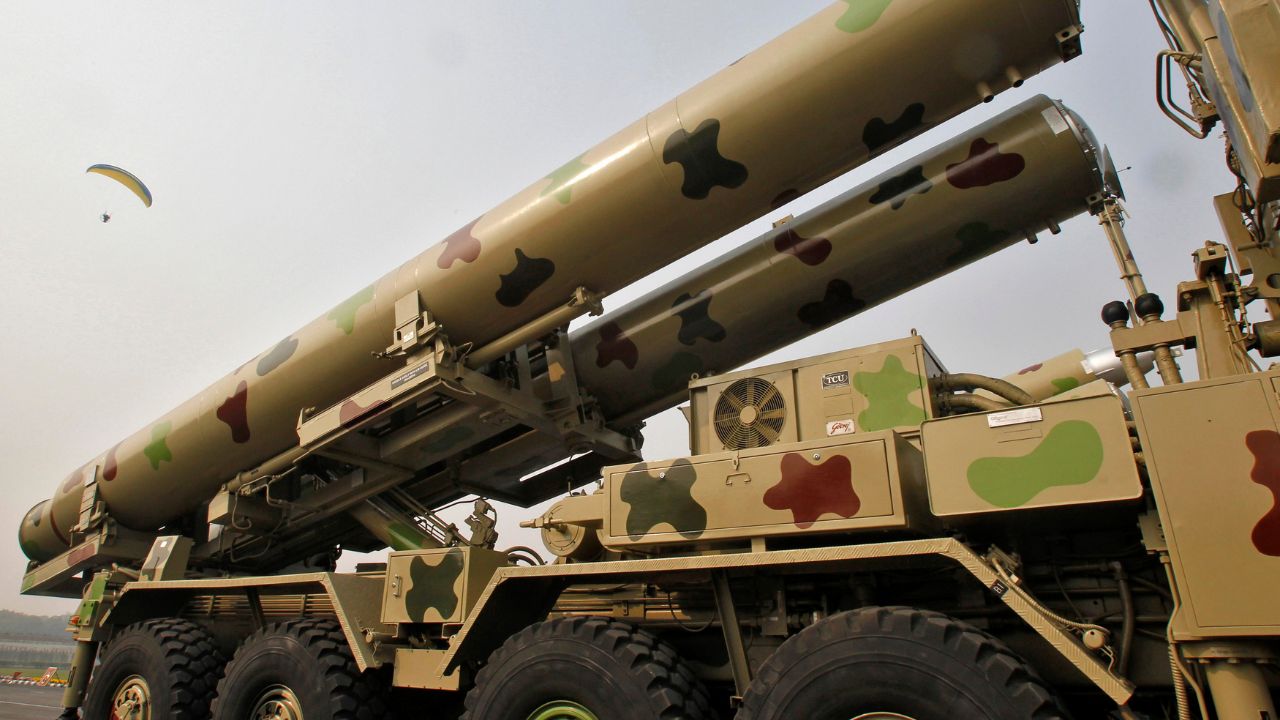
You can't talk about the BrahMos without talking about speed. It flies at nearly three times the speed of sound. For the person on the receiving end, that means almost zero reaction time. It’s basically a flying sledgehammer that’s incredibly hard to intercept with current missile defense systems.
Vietnam has been eyeing this tech for years. They've watched the Philippines become the first international customer and seen Indonesia sign on the dotted line back in March. For Hanoi, getting the BrahMos isn't just about owning a cool piece of hardware. It’s about creating a "no-go zone" along their coastline.
The proposed deal isn't just for the missiles themselves. We’re talking about a full package:
- Mobile autonomous launchers that can hide in Vietnam’s rugged terrain.
- Logistical support and specialized maintenance.
- In-depth training for Vietnamese operators (who've already been training with Indian sailors on the gifted corvette Kirpan).
Why this deal took so long
You might wonder why, if both sides want this, they haven't signed it yet. Honestly, it’s complicated. The BrahMos is a joint venture between India’s DRDO and Russia’s NPO Mashinostroyeniya. For a long time, geopolitical jitters kept the brakes on. India had to balance its "Act East" policy with the risk of annoying global superpowers.
But the world in 2026 is different. India’s defense exports just cleared $4 billion this past fiscal year. We aren't just buying gear from the West or Russia anymore; we’re a shop-front for high-end tech. Selling to Vietnam is the ultimate "I’ve arrived" statement for the Indian defense industry.
There's also the "China factor." Both New Delhi and Hanoi are tired of the constant pressure in the Indo-Pacific. By arming Vietnam, India isn't just making money—it’s building a buffer. It’s a classic "the friend of my friend is my ally" move.
More than just a weapons shop
To Lam’s visit isn't only about missiles, even if they're the headliners. He’s heading to Mumbai to talk shop with business leaders and visiting the National Stock Exchange. Trade between the two countries hit $16 billion recently, and they want to push that even higher.
But let’s be real: the defense pillar is what holds the whole structure up. India has been providing underwater combat training for Vietnamese sailors and helping them with spare parts for their Russian-made Petya-class frigates. The BrahMos is just the logical next step in a relationship that’s gone from "polite neighbors" to "battle buddies."
What happens if the ink dries
If they actually pull the trigger on this contract—even if it’s just a "Letter of Intent" during this visit—the regional power balance shifts overnight. Vietnam already has a formidable military, but adding supersonic reach makes them a much tougher nut to crack.
Don't expect a flashy signing ceremony with champagne today, though. Sources say the heavy lifting on the paperwork is still happening. But the fact that To Lam chose India for one of his first major state visits since taking office tells you everything you need to know about where Vietnam’s priorities lie.
If you're watching the Indo-Pacific, stop looking at the aircraft carriers for a second. Watch the small, mobile batteries on the Vietnamese coast. That’s where the real power is moving.
If you want to understand why this matters for your portfolio or regional stability, keep an eye on the joint statement coming out of Hyderabad House tomorrow. That’s where the "diplomatic speak" will hide the real wins.
BrahMos Missile Deal with Vietnam
This video provides an expert breakdown of how the BrahMos deal functions as a strategic counter-move in the South China Sea.