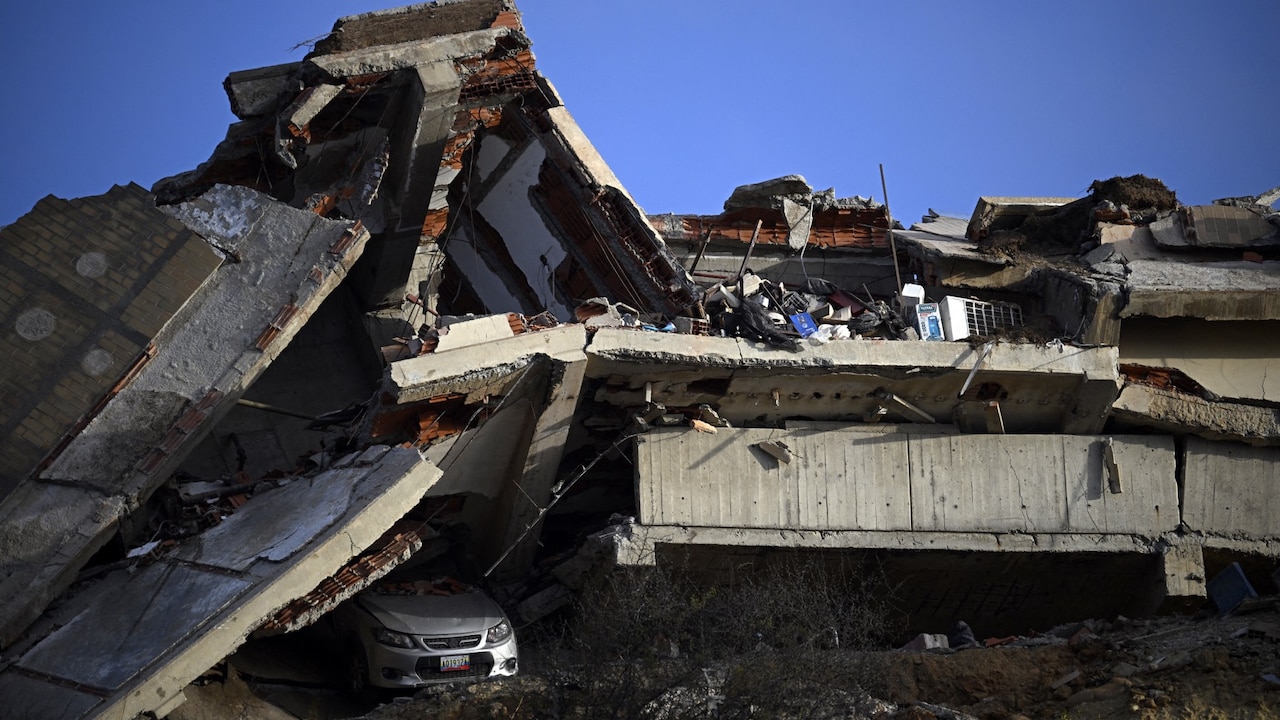
When the ground shakes in a country already reeling from years of economic collapse, the aftermath looks completely different than it does anywhere else. There are no fleets of state-of-the-art rescue vehicles turning corners with sirens blaring. There is no massive, coordinated federal funds injection to rebuild shattered neighborhoods overnight. For Venezuela earthquake survivors, the reality of making it through the first seventy-two hours—and the brutal months that follow—comes down to a single, fragile lifeline. They must rely on the kindness of strangers and the sheer grit of their neighbors.
It is a harsh truth that international onlookers often miss. We look at natural disasters through the lens of institutional response. We expect emergency management agencies to deploy, civil defense teams to set up shelters, and government supply chains to distribute clean water and medical supplies. In Venezuela, those formal systems have been hollowed out by a decade of hyperinflation, political gridlock, and infrastructural decay. When seismic activity strikes vulnerable regions like Caracas, Sucre, or the eastern coast, the official response is frequently a ghost.
The real rescue operation happens at the street level. It is organized by people who have spent years learning how to survive without relying on the state. This is not about romanticizing poverty or resilience. It is a matter of life and death. When the dust settles, the people holding the shovels are the teenagers from down the block and the grandmothers who manage to stretch a single pot of soup to feed thirty people.
The Broken Infrastructure of Disaster Response
To understand why community solidarity is the primary survival mechanism, you have to look at the state of public utilities before a disaster even happens. Hospitals routinely face chronic shortages of basic antibiotics, bandages, and running water. Power outages are a daily occurrence in the interior provinces. Fire departments lack functioning trucks, and emergency personnel are paid wages that barely cover their own groceries.
When a significant earthquake hits, it does not just damage buildings. It fractures an already brittle system. If a hospital does not have regular electricity on a normal Tuesday, it cannot handle a sudden influx of trauma patients on a disaster Wednesday.
This institutional vacuum means that the gold standard of international rescue—the critical window where lives are saved beneath the rubble—is entirely crowdsourced. Neighbors form human chains to clear debris. Local mechanics bring their own tools to pry open collapsed doors. It is messy, dangerous, and completely decentralized. It is also the only option available.
How Informal Mutual Aid Networks Fill the Void
Step into any Venezuelan barrio or town recovering from an emergency and you will see an intricate web of informal survival strategies. These networks are not built by international NGOs or official decrees. They are forged through years of shared hardship.
The Community Kitchens
Food security vanishes instantly when a disaster hits. With markets damaged and supply lines disrupted, the immediate need for meals is met by local women who organize collective kitchens, often called ollas comunitarias.
They pool whatever ingredients are left in their pantries. A handful of rice from one house, a few potatoes from another, a bit of dried beans from a third. They cook over open wood fires when the gas lines fail or when canisters are empty. These kitchens do more than fill stomachs. They serve as communication hubs where people exchange information about missing relatives, structural damage, and medicine availability.
Crowdsourced Medicine and First Aid
With pharmacies destroyed or empty, the search for critical medications becomes a community-wide campaign. If an elderly survivor needs insulin or a child needs asthma medication, the neighborhood WhatsApp groups become the primary dispatch system.
People comb through their personal medicine cabinets to donate leftovers. Medical students and retired nurses step up to create makeshift triage centers in living rooms or church courtyards. They diagnose injuries, clean wounds with whatever antiseptics are on hand, and manage chronic conditions without the aid of diagnostic equipment.
The Diaspora Lifeline and Micro Remittances
The survival of earthquake victims inside the country is deeply tied to the millions of Venezuelans living abroad. When a crisis occurs, the standard international aid pipelines are often choked by bureaucratic red tape, sanctions, and corruption. Direct peer-to-peer financial support bypasses these roadblocks entirely.
Family members in Miami, Madrid, or Bogotá watch the news and immediately send small amounts of money through digital payment platforms or cryptocurrency networks. These micro-remittances arrive within minutes. They allow local community leaders to purchase supplies from neighboring, unaffected areas.
This financial agility is something large aid organizations struggle to match. A local community leader with fifty dollars in a digital wallet can buy a crate of clean water from a local vendor much faster than a global agency can clear a shipment through customs. It is a hyper-localized economic ecosystem that keeps people alive during the worst weeks of a recovery.
What Global Relief Agencies Frequently Misunderstand
Large international relief organizations often arrive with a copy-paste blueprint for disaster management. They look for centralized authorities to partner with. They want to set up massive distribution centers and sign agreements with official ministries.
This approach fails in environments where institutions have collapsed. By trying to work through official channels, international aid can get trapped in warehouses or diverted for political leverage.
The entities that actually deliver results are the small, independent local groups. These are the parroquial churches, the neighborhood associations, and the independent doctors' unions. They know exactly which families have an bedridden relative, which houses are on the verge of sliding down a hillside, and who can be trusted to distribute supplies fairly. If international donors want to make a real impact, they must learn to trust these informal, hyper-local networks instead of demanding corporate-style compliance metrics that small community groups cannot provide.
Moving Toward Real Community Based Preparedness
We cannot prevent tectonic plates from moving. We can change how we prepare communities to survive the aftermath when the state cannot help them. Since structural reinforcement of buildings requires capital that simply does not exist right now, the focus must shift to human infrastructure.
First, local organizations need direct access to basic emergency equipment before a disaster strikes. Distributing simple first-aid kits, water purification tablets, and heavy-duty tools to neighborhood leaders saves lives. Waiting until after the ground shakes to figure out supply lines is a recipe for disaster.
Second, training programs in basic search and rescue, triage, and psychological first aid should be run directly through existing community kitchens and neighborhood councils. If the neighbors are going to be the first responders anyway, they deserve the knowledge to do it safely.
Finally, we need better, more secure ways to channel direct financial aid to these grassroots networks. Strengthening peer-to-peer donation channels ensures that resources go straight to the people buying the bricks, the medicine, and the food. The survival of Venezuela's earthquake victims will never depend on promises from a state capital. It will always rest firmly in the hands of the people standing right next to them in the dust.