The heavy glass doors of the Peacock Theater swing open into the September heat of downtown Los Angeles. Outside, the air smells faintly of hot asphalt, high-octane anticipation, and the specific brand of ozone that radiates from thousands of flashbulbs firing in rapid succession. For months, stylists have pinned, sewn, cursed, and adjusted. For weeks, actors have stared into bathroom mirrors, wondering if they are ready for the weight of a gown that costs more than a suburban kitchen or a tuxedo cut with such geometric precision that breathing requires a conscious act of will.
Then comes the step onto the carpet.
Not a red carpet, strictly speaking. Television has always loved a shade of ruby or burgundy that photographs richer than actual crimson, a crimson staging ground where millions of people sitting in sweatpants on living room couches can project their fantasies of glamour, success, and immaculate taste. We watch because we want to see who won the gold statuette, yes. But we stay because of the fabric.
Fashion at the Emmy Awards is never just about clothes. It is armor. It is a broadcasted statement of identity whispered to the world before a single envelope is opened or a single acceptance speech is fumbled through tears.
Consider what happens long before the cameras roll. In a hotel suite three blocks away, a dress isn't merely put on; it is inhabited. Silk tulle, hand-stitched crystal embroidery, structural corsetry built to withstand four hours of sitting in auditorium chairs without losing a millimeter of line. The process is grueling. To stand before the flashbulbs is to invite the collective gaze of a culture starved for spectacle. Everyone in the industry knows the unspoken rule of the carpet: you are telling a story about who you are allowed to be in this room.
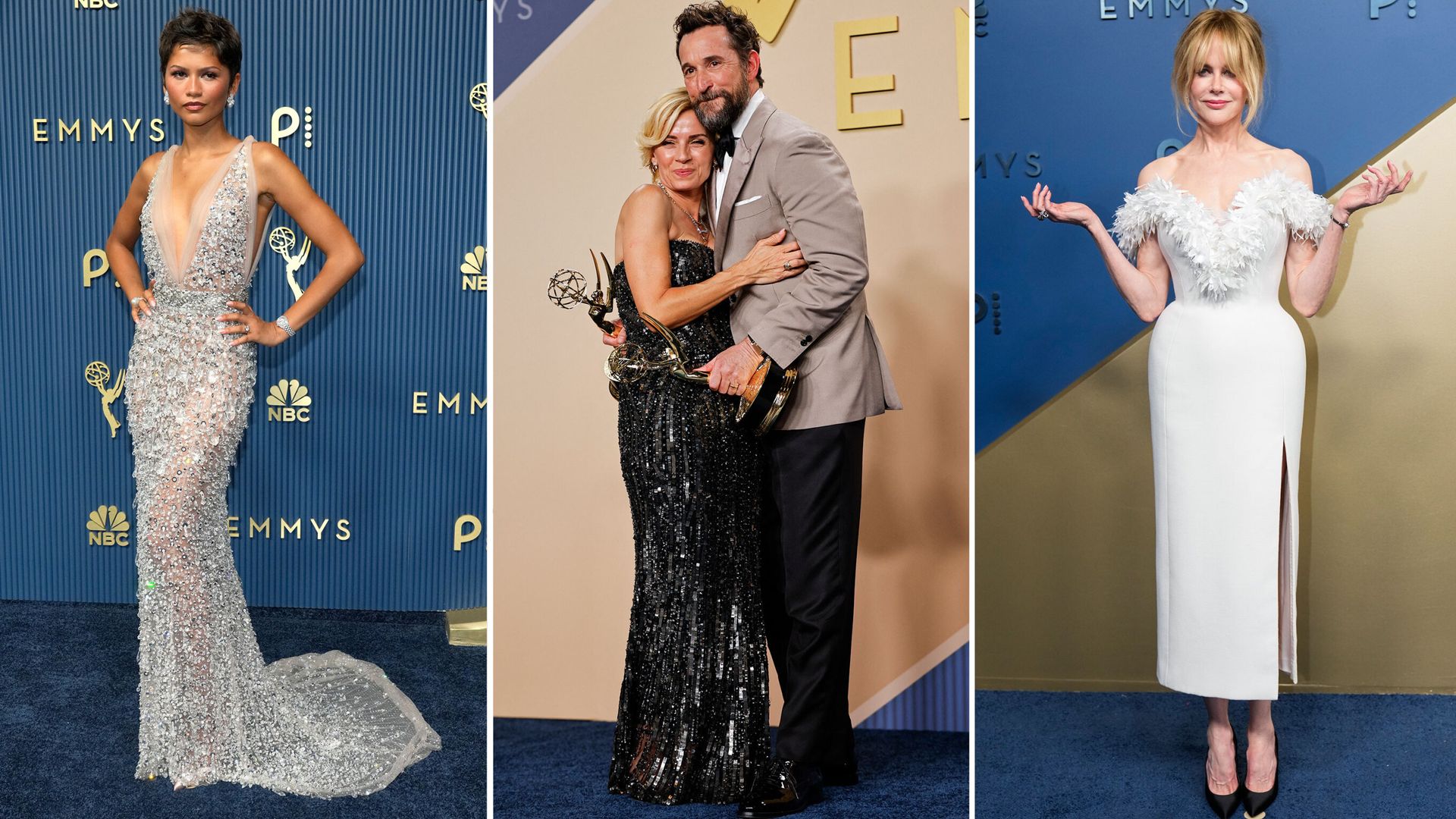
This year, the narrative shifted away from quiet minimalism and toward something much more operatic. Texture returned with a vengeance. We saw velvet swallowing the California sun, architectural draping that turned shoulders into modern sculptures, and colors that refused to apologize for being seen from the cheap seats. When Krys Marshall stepped onto the carpet during the 78th Primetime Emmy Awards, her look wasn't just styled; it was engineered for presence. Every fold of fabric spoke of confidence earned through years of pounding the pavement in an industry that rarely hands out security.
There is a distinct psychology to the way we consume this visual theater. When Rose Abdoo or any of television’s beloved faces step into the light, our brains register the transformation instantly. We recognize the human being underneath the silk—the late nights on set, the rejection emails, the craft services coffee, the exhaustion. And then we contrast it with this fleeting, hyper-polished apparition. That contrast is where the magic lives. It is a collective suspension of disbelief.
Look closely at the tailoring this season. Notice how menswear broke away from the suffocating sea of black polyester tuxedos that dominated red carpets for decades. Men showed up in jewel-toned brocades, asymmetrical jackets, and lapels edged in subtle metallic thread. It is a cultural thawing. The rigid uniforms of mid-century Hollywood are finally giving way to personal expression that honors the artistry happening on our screens. Television is weirder, bolder, and more diverse than it has ever been, and the fashion on the carpet is finally catching up to that creative renaissance.
Why do we care? Why spend hours scrolling through galleries of people whose lives bear so little resemblance to our own?
Because we are all, in our own smaller ways, dressing for an audience every single morning. When you pull on your favorite jacket for a difficult meeting, or buy a new outfit for an interview, you are participating in the exact same human ritual. You are using cloth to signal courage. You are wearing your intentions on your sleeve, quite literally.
The cameras will eventually pack up. The designers will take their creations back to the archives or shipping crates. The stars will kick off their heels under the tables at the after-parties, nursing sore feet and laughing at the absurdity of it all. But the images remain. They linger in our collective memory as snapshots of a cultural moment when television stopped trying to be film’s younger, less-polished sibling and stood proudly in its own blinding, beautifully dressed light.
As the final limousines pull away from the curb and the cleanup crews sweep up discarded confetti, the carpet goes dark. But the clothes have already done their job. They reminded us that beauty, however temporary, is worth the effort it takes to wear it.