Flush and forget. That is usually how we treat our daily waste. Vancouver is changing that exact habit. The city takes raw sewage and turns it into clean space heating. It sounds wild. It works remarkably well.
Traditional heating systems burn natural gas. They pump carbon straight into the atmosphere. Vancouver looked at underground pipes instead. They saw a massive, untapped thermal battery flowing right beneath our feet. Wastewater stays warm year-round. Even on freezing winter days, sewage sits at a cozy 15 to 20 degrees Celsius. That is free heat waiting to be captured.
How Neighborhood Energy Utilities Actually Work
You cannot just pump dirty water into a radiator. That would be a disgusting disaster. The mechanics behind sewage heat recovery are surprisingly straightforward.
Specialized energy transfer stations sit directly along main sewer lines. Large industrial heat exchangers pull thermal energy right out of the wastewater stream. The wastewater keeps flowing downstream untouched. The extracted heat gets transferred into a clean water loop. Large electric heat pumps boost that temperature significantly.
Centralized neighborhood energy utilities distribute this warm water across entire city blocks. High-rise residential towers plug right into the network. Office buildings use it for climate control. It operates quietly beneath the pavement.
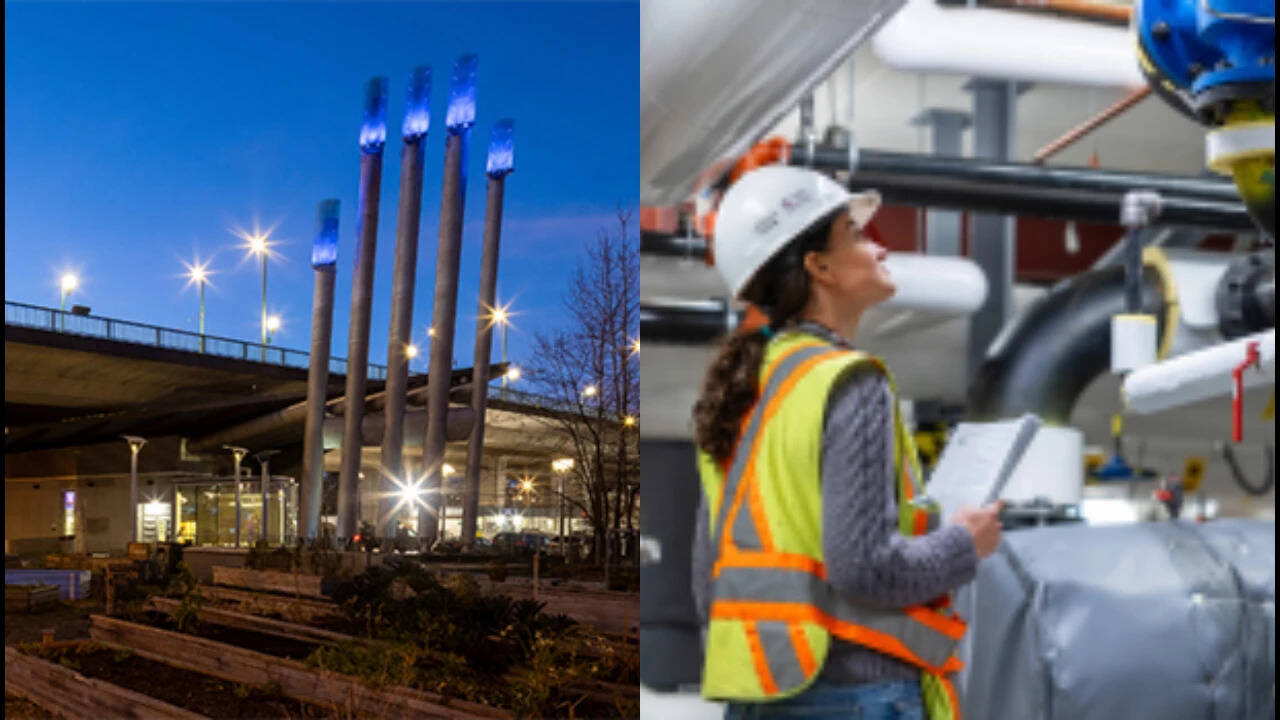
Neighbourhood energy utility projects like the False Creek Neighbourhood Energy Utility show how this scales. The utility started small. It now heats millions of square feet of residential and commercial floor space. Carbon emissions dropped drastically in that district.
The Economics of Wastewater Thermal Recovery
Building infrastructure costs money. Real estate developers hate unnecessary expenses. City officials knew that voluntary green targets would fail. Vancouver implemented strict greenhouse gas intensity limits for new construction.
Builders faced a choice. Pay heavy penalties for burning fossil fuels. Or hook up to low-carbon district energy systems. Economics shifted quickly.
- Lower long-term operational costs for property managers.
- Protection against volatile natural gas market spikes.
- Elimination of individual rooftop boiler maintenance costs.
Upfront capital costs remain high. Trenching city streets creates major traffic headaches. Installing massive heat exchangers requires specialized engineering. Long-term paybacks balance the ledger. Cities avoid building massive new electrical grids by using ambient thermal sources instead.
Overcoming Technical Hurdles and Odors
People ask the obvious question immediately. Does the building smell like a bathroom?
Never. The physical separation between the sewage loop and the clean building loop is absolute. Dual-barrier heat exchangers ensure zero cross-contamination. Engineers monitor pressure differentials constantly. If a microscopic leak ever developed, clean water would push into the wastewater side, not the other way around.
Scaling these systems presents unique engineering challenges. Hair, grease, and solid debris love to clog standard heat equipment. Modern installations use self-cleaning screens and specialized vertical-plate heat exchangers. Maintenance crews pull out accumulated debris regularly.
Corrosion is another major enemy. Raw sewage is chemically aggressive. Piping must use high-grade stainless steel or specialized polymers. Skip this step and the infrastructure eats itself from the inside out within a decade.
Why Other Cities Are Copying the Vancouver Model
Municipal leaders across North America watch Vancouver closely. Urban density makes sewage heat recovery viable. You need a high concentration of buildings close to major sewer interceptors. Rural towns cannot make the math work. Dense metropolitan cores are ideal candidates.
Seattle, Portland, and Toronto explore similar projects. European cities like Oslo and Stockholm pioneered early wastewater thermal recovery decades ago. North America is finally catching up.
Energy transitions usually feel painful. They require expensive retrofits and angry public debates. Tapping into sewage heat requires no lifestyle changes from residents. You turn up your thermostat. The apartment stays warm. The planet breathes a little easier.
Look down the next time you walk across a downtown street grate. Millions of gallons of warm wastewater rush past in the dark. Vancouver stopped treating that flow as waste. Other cities should do the exact same thing tomorrow.


.png?width=1200&auto=webp&trim=0%2C0%2C0%2C0)