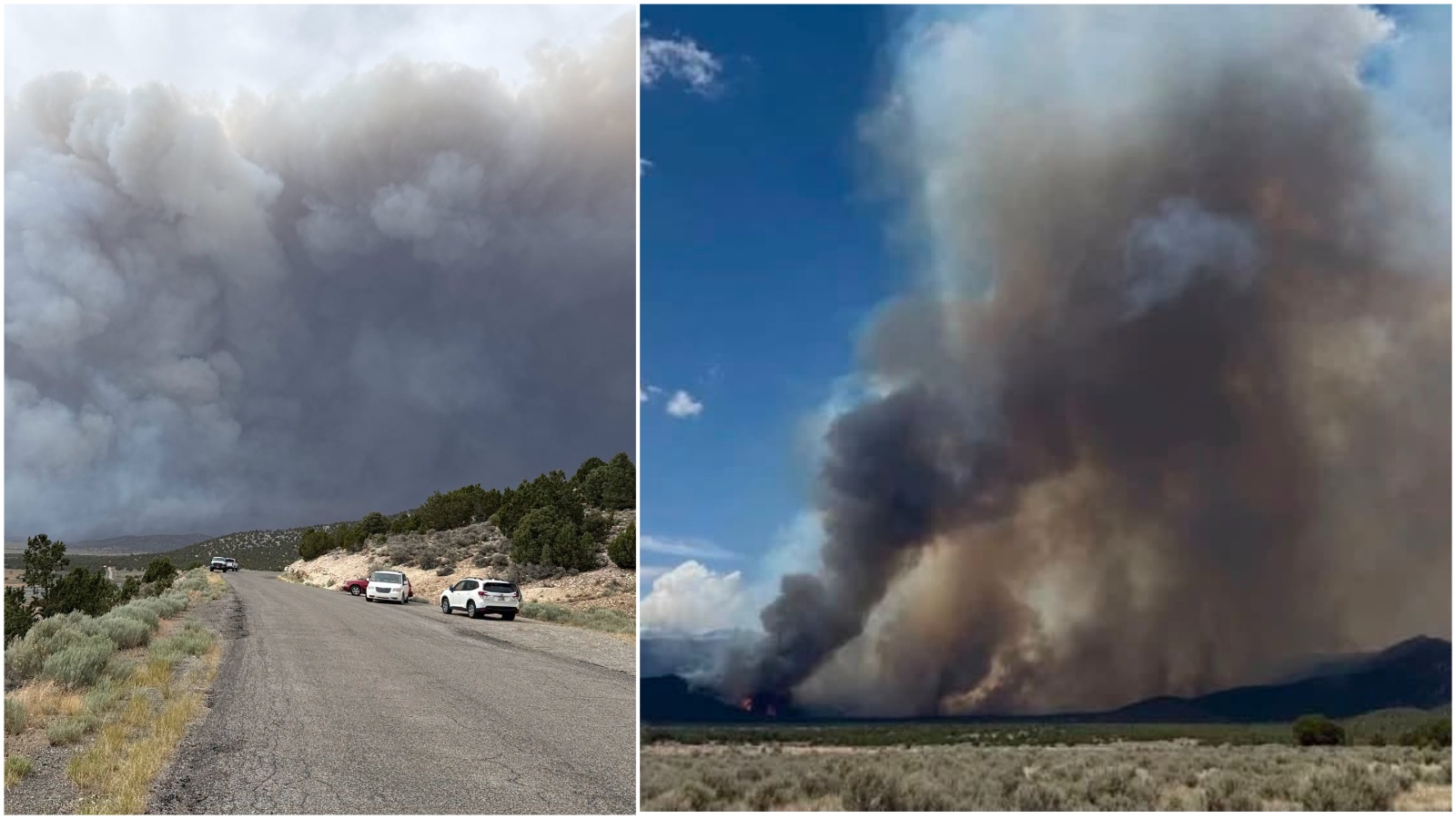
Utah is burning, and the traditional Fourth of July celebration is officially on hold. Governor Spencer Cox just declared a state of emergency, stripping local towns of their usual control over fireworks and putting a sweeping restriction into place through July 5. If you live in the state or plan to visit, your holiday plans just changed drastically.
This isn't a case of overcautious politicians ruining summer fun. The state is currently ground zero for the Cottonwood Fire, which has ballooned into the largest active wildfire in the United States. Burning completely unchecked in southern Utah, the blaze has already swallowed more than 112 square miles of tinder-dry forest. It has gutted beloved mountain cabins and severely damaged the Eagle Point ski resort in Beaver County.
The National Weather Service in Salt Lake City just made history by issuing its first-ever Particularly Dangerous Situation Red Flag Warning. That is a designation normally reserved for catastrophic plains tornadoes. This year is entirely different, and pretending otherwise is a recipe for disaster.
The Cottonwood Fire is Behaving Like a Monster
Veteran firefighters are staring at behavior they have never witnessed in their entire careers. The Cottonwood Fire kicked off on a Monday in a remote patch of Beaver County. Within days, it exploded. By Friday, furious 35-mile-per-hour sustained winds and 45-mile-per-hour gusts grounded the very air support crews needed to drop retardant.
When high winds hit dry timber, the fire stops crawling. It leaps. Fire officials report aggressive crown runs, where flames race through the tops of trees at terrifying speeds, along with spotting, where embers fly far ahead of the main fire line to ignite new blazes. The fire sits at zero percent containment. It is a runaway train fueled by a climate that has turned majestic mountain forests into literal Roman candles.
Look at the sky over small towns like Marysvale, Junction, and Circleville. Thick, suffocating smoke has turned day into night. Ash rains down on lawns. Roughly 1,300 residents are on high alert, packed and ready to flee the moment deputies knock on their doors. The smoke plume is so massive that it stretches hundreds of miles across the state line into Colorado. While the air down in Zion and Bryce Canyon national parks remains relatively clear for now, the ominous black cloud dominates the northern horizon.
The human toll has already begun. Cabin owners who spent decades building family retreats are returning to fields of gray ash. Entire generations of memories, grandfathered ski patrol memorabilia, and wedding venues planned for the summer have vanished in an afternoon.
Humans are Sparking the Vast Majority of These Disasters
We cannot blame everything on lightning or bad luck. The data reveals a frustrating reality about the current Utah wildfire emergency. Out of 376 wildfires recorded across the state so far this season, a staggering 273 were caused by human activity. That is over 75 percent.
People leave campfires unattended. They drag trailer chains on asphalt, throwing sparks into roadside grass. They park hot cars over dry brush. And yes, they light fireworks in places they shouldn't.
About 94 percent of Utah is locked in severe or extreme drought. The mountain vegetation looks green from a distance, but it is dying from the inside out. It lacks moisture completely. When you throw explosive black powder and colorful sparks into that mix, you aren't just celebrating America. You are playing Russian roulette with entire mountain communities.
Governor Cox was direct about the emergency order. He noted that if multiple fires break out in the Salt Lake Valley or southern counties over the holiday weekend, emergency resources will collapse. Firefighters are already stretched to their absolute limits. There simply will not be anyone left to answer the call. The state of emergency temporarily alters a 2024 state law, giving state forester Jamie Barnes the ultimate authority to ban or heavily restrict fireworks anywhere in Utah, overriding local municipal decisions.
What the Fireworks Ban Means for Your Holiday Plans
The default rule for Utah through July 5 is simple: personal fireworks are banned. However, the order does not mean a total blackout on community celebrations. The strategy focuses on controlled safety rather than a blind blanket ban.
Every mayor and local fire warden has the power to designate specific, highly controlled areas where residents can safely gather to light fireworks. Think of large, paved stadium parking lots or gravel fields surrounded by water trucks and active fire personnel. If your town does not officially designate a zone, you cannot light a fuse. Period.
Commercial, professionally managed city fireworks displays are still scheduled in many areas, provided the local fire chief signs off on the conditions. These pros have mitigation plans, local water access, and immediate suppression teams on standby. Your backyard does not.
Beyond Utah the Entire American West is on Edge
Utah is the current flashpoint, but the danger covers the map. A massive critical fire weather pattern is locking down a huge portion of the West. Red flag warnings are active across southeastern California, southern Nevada, northwestern Arizona, and into New Mexico.
- New Mexico: Forest officials have already padlocked campgrounds and trails near active blazes in the Jemez Mountains.
- Arizona: High winds and low humidity recently forced emergency evacuations near Sedona as fires ripped through rugged canyons.
- Florida: Even outside the West, officials are begging residents to skip personal pyrotechnics due to active brush fires tearing through the peninsula.
To complicate matters, utility companies are playing defense. Rocky Mountain Power has issued public safety power shutoff warnings for central, southern, and eastern Utah. When wind gusts threaten to knock high-voltage lines into dry brush, the power gets cut. Residents need to prepare for sudden, temporary blackouts during the hottest days of the summer.
How to Protect Your Property and Stay Safe Right Now
You cannot control the wind, but you can control your immediate surroundings. If you live anywhere near the wildland-urban interface, you need to take immediate steps to protect your home.
Clear your gutters. Those dry pine needles sitting on your roof are the number one landing pad for airborne embers flying off the Cottonwood Fire or local blazes. Rake up the dead leaves within 30 feet of your structure. Move your firewood piles away from your porch.
Pack an emergency go-bag for every member of your family. Include prescription medications, critical financial documents, copies of insurance policies, and enough water for three days. Ensure your vehicle has a full tank of gas. If an evacuation order transitions from "Ready" to "Set" to "Go," you will not have time to hunt for birth certificates or pack clothes.
Check with your local city or county website daily before purchasing or planning any fireworks activities. Follow the instructions of local fire wardens without argument. If you see smoke or a new fire start, report it immediately to 911 with precise location details. We have a long, hot summer ahead, and keeping the state standing requires everyone to drop the entitlement and prioritize survival.