When a US midterm attack ad crosses a moral line in front of exhausted voters, raw spending stops guaranteeing victory. The 2026 midterm cycle shattered ad-spending records with more than $12 billion poured into races nationwide, yet voters in bruising contests punished personal overreach and rewarded candidates who turned disgust into turnout.
Campaign consultants treat negative spots like artillery. Fire enough shells into a swing district and something breaks. That logic held up for decades because voters rarely liked either side enough to punish a strategist for dirt. In 2026, saturation changed the math. When viewers see over 98 percent of ad dollars aimed at tearing down opponents, shock value requires sharper blades—and sharper blades draw blood on the sender.
What Crossing the Line Actually Means in Modern Campaigns
Every election cycle has critics complaining that ads got nasty. Most of those complaints are just partisan griping dressed up as civic concern. A genuine line-crossing moment happens when a campaign weaponizes private family wounds, twists documented records beyond recognition, or turns tragedy into political theater in a way that violates basic norms of fairness.
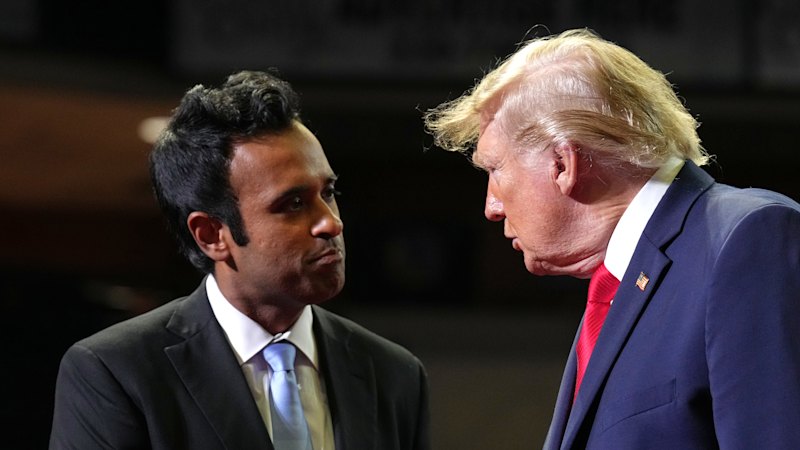
Take the Ohio governor's race in October 2026. Vivek Ramaswamy's campaign aired an ad featuring the estranged mother of Democratic opponent Dr. Amy Acton accusing her of dishonesty about her childhood. Public records backed Acton's account of her early life. Even Republican Governor Mike DeWine, who had endorsed Ramaswamy, called running the ad wrong. Facing backlash and polling showing the spot backfired, the campaign pulled it. Acton went on to win the race.
That episode exposes the core flaw in shock-value media buying. Campaigns test lines in focus groups and digital micro-targeting before buying broadcast time. When a strategist crosses into intimate family grievances or fabricated biography, they gamble that anger will outrun revulsion. Sometimes it does. Often, especially when records contradict the pitch or allies flinch, the spot hands the target a megaphone and sympathy.
Why Record Ad Spending Failed to Buy Immunity
Money still shapes which races voters notice. AdImpact data showed total spending across the 2026 midterms topped $12 billion, surpassing the 2024 presidential cycle. In Maine's US Senate race alone, more than $127 million in negative ads flooded the airwaves, with Republican-aligned groups outspending Democratic attackers by more than $21 million. Yet Democrat Troy Jackson unseated long-serving Senator Susan Collins.
Big budgets create a dangerous illusion inside campaign war rooms. Media buyers look at gross rating points and frequency caps and assume repetition equals persuasion. In reality, repetition breeds fatigue first and resistance second. Voters leaving the polls in Maine described the onslaught with words like rotten, irritating, and disgusting.
| Cycle or Race Metric | Observed Pattern in 2026 | Strategic Takeaway |
|---|---|---|
| National midterm ad volume | Over $12 billion total spending reported by AdImpact | Sheer volume no longer shocks or persuades on its own |
| Share of negative spots | More than 98 percent negative cited by American Promise | Attack saturation lowers the surprise value of standard smears |
| Maine US Senate ad battle | Over $127 million negative, GOP-aligned edge over $21 million, yet Collins lost | Outspending rivals on attacks does not guarantee survival |
| Ohio governor ad reversal | Spot featuring rival's estranged mother pulled after backlash and polling | Personal overreach can boomerang when records and allies push back |
Spending advantage helps a campaign define an unfamiliar challenger early. Once voters form an impression of who is running a dirty game, additional millions spent hammering low blows can lock in opposition rather than soften it.
How Media Ecosystems Turn Cheap Shots Into National Stories
A generation ago, a brutal local TV spot stayed mostly inside the media market where it aired. A few political reporters might clip it for a regional roundup. Today, a thirty-second clip uploaded to social media can ignite cable panels and national newsletters within hours.
Outrage is free distribution. Campaigns know this. A media consultant can buy a modest digital flight and still get millions of free impressions if rival partisans and television anchors argue over whether the ad went too far. That dynamic creates a perverse incentive: earned outrage often beats paid reach for sheer visibility.
Yet earned outrage cuts both ways. When national coverage frames an ad as cruel or dishonest, swing voters who tune out routine partisan bickering often pay attention. Fact-checkers have repeatedly had to untangle distorted claims across 2026 Senate and House races—from misleading tax nicknames in Maine to cherry-picked net-worth figures in New Hampshire and conflicting claims over border votes, prison releases, and data-center electricity costs. Once an ad earns a reputation for distortion, every subsequent claim from that sender starts at a deficit.
The Hidden Mechanics Behind Over-the-Line Spots
To understand why strategists keep pushing boundaries, look at how modern campaign messaging is built. Most attack ads rely on three interlocking tricks rather than outright invention from scratch.
- Selective framing: Taking a real vote, speech, or personal dispute and stripping away context so the viewer sees malice instead of nuance.
- Guilt by association: Linking a candidate to donors, distant allies, or controversial figures to imply shared culpability without proving direct control.
- Emotional proxy: Using grief, fear of crime, or family conflict to trigger an immediate gut reaction before a viewer checks the fine print.
Consider a hypothetical example to see how selective framing works in practice. Suppose a candidate votes for a broad municipal budget bill that includes routine administrative funding for a local agency later criticized over a unrelated contracting error. A sharp attack ad can splice the budget vote next to headlines about the contracting error and ask why the candidate rubber-stamped waste. The vote happened. The error happened. Linking the two as an intentional endorsement bends reality while staying just slippery enough to survive a quick glance.
Where campaigns cross the line is when they drop even that thin veneer of policy or public record and go straight for personal humiliation or fabricated facts. That move signals desperation. Voters can smell panic in a campaign's media strategy almost as fast as they can smell spin.
Counter-Arguments and Overlooked Realities
Moralizing about attack ads is easy. Ignoring why they persist is lazy. Even political analysts who despise negative campaigning admit that sharp contrast works when it is grounded in real stakes. Voters need to know how a candidate voted, whose interests they protect, and whether their public persona matches their record.
There is also an overlooked reality about voter tolerance. Different segments of the electorate draw the line in different places. Hardcore partisans cheer almost anything that hurts the other side. Low-information voters often ignore ads altogether until the final week. Persuadable voters—the thin slice deciding close seats—tend to dislike mudslinging in theory, yet still respond to tough arguments about cost of living, corruption, or competence.
Another blind spot is assuming that calling an ad "over the line" automatically defeats it. Sometimes a ruthless ad works precisely because the target gets bogged down playing defense instead of talking about their own message. The difference between a winning hardball ad and a self-sabotaging gutter ad comes down to credibility and proportionality. Hit a record hard; leave private family grief alone unless the candidate made it the centerpiece of their own pitch.
What Voters and Strategists Should Take Away
For voters wading through endless cycles of outrage, the practical rule is simple. Treat any viral attack ad as a prosecuting attorney's opening statement, not a verdict. Check what was cut out, check who paid for the spot, and look at the candidate's actual track record rather than the most dramatic frame on screen.
For campaign strategists, the lesson of 2026 is harsher. Throwing record piles of cash at personal smears no longer guarantees control of the narrative when voters are already drowning in hostility. Push past basic decency on a shaky premise, and the ad that was supposed to sink your rival may end up sinking you instead.