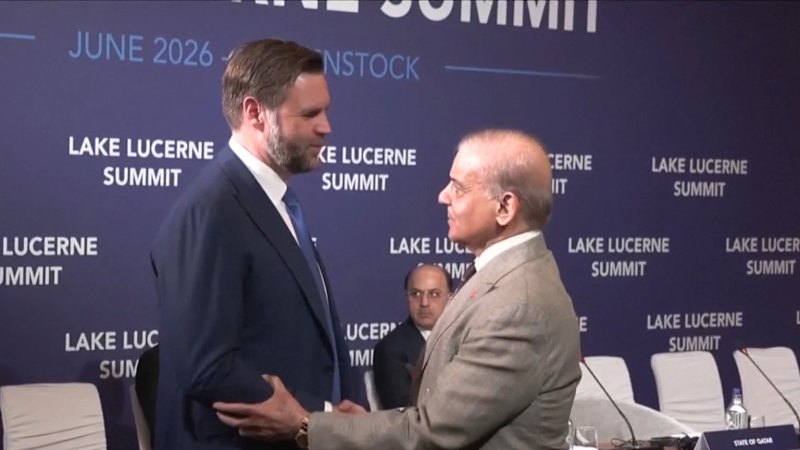
The mainstream media is drunk on optimism again. Headlines are buzzing with the "historic" news that US and Iranian officials are back at the negotiating table, hammering out a framework for long-term regional stability. They paint a picture of diplomats burning the midnight oil, driven by a shared desire to avert conflict and open up trade.
It is a beautiful story. It is also entirely wrong.
If you are tracking these talks expecting a breakthrough that reshapes Middle Eastern geopolitics or opens up the Iranian market, you are being naive. After fifteen years of analyzing sanctions frameworks and backchannel statecraft, I have seen this movie four times. The script never changes, because the actors do not want it to.
These peace talks are not a mechanism for peace. They are a highly coordinated, mutually beneficial PR exercise designed to maintain a fragile status quo while both regimes manage internal crises. The "lazy consensus" says these nations are desperate for a deal. The reality? Both sides derive immense domestic power from having each other as a permanent adversary.
The Flawed Premise of Mutual Desperation
Mainstream analysts love the "pressure cooker" theory. They argue that crushing economic sanctions have finally forced Tehran to its knees, while Washington is eager to pivot away from the Middle East to focus entirely on East Asia.
This argument misunderstands the basic mechanics of how authoritarian regimes and superpower bureaucracies survive.
Why Iran Benefits From the Deadlock
For the leadership in Tehran, the state of "neither war nor peace" is the ultimate sweet spot.
- The External Scapegoat: Every economic failure, crumbling infrastructure project, and currency devaluation can be blamed directly on the American embargo. Total normalization removes this shield.
- The Smuggling Economy: Sanctions have created a highly lucrative, multi-billion dollar black market controlled by elite military factions. A transparent, open-market peace deal would instantly destroy the monopolies held by the very people keeping the regime in power.
- The Nuclear Leverage: The regime knows that the moment they sign away their enrichment capabilities permanently, they lose their only real deterrent. They will talk about giving it up forever, but they will never actually do it.
Why Washington Needs the Bogeyman
On the flip side, the American foreign policy apparatus relies on Iran to justify an expansive regional footprint.
- Defense Procurement: The perceived Iranian threat drives hundreds of billions of dollars in military sales to Gulf allies.
- Geopolitical Alignment: It serves as the glue holding together fragile regional alliances. Remove the Iranian threat, and Washington's leverage over its regional partners erodes overnight.
Imagine a scenario where a comprehensive peace treaty is actually signed tomorrow. Total diplomatic normalization. Embassies open. Sanctions dropped. Within six months, both governments would face unprecedented domestic crises because they would have to justify their internal policy failures without their favorite villain.
Dismantling the Consensus: The Questions You Should Be Asking
When assessing the viability of these negotiations, the public usually focuses on the wrong indicators. Here is a brutal reality check on the questions that actually matter.
Will Lifting Sanctions Spark an Iranian Economic Boom?
No. The popular assumption is that billions of dollars in unfrozen assets will immediately flow into consumer goods and civilian infrastructure, stabilizing the region.
In reality, the structure of Iran’s economy is deeply broken. Decades of cronyism mean that any influx of cash will be funneled directly into state-backed conglomerates and regional proxy networks. For global businesses looking to invest, the compliance risk remains astronomical. No major Western bank is going to risk billions in compliance fines to finance a factory in Isfahan based on a political handshake that could be torn up by the next US administration.
Are These Talks Reducing the Risk of Regional Conflict?
They are doing the exact opposite. History shows that whenever Washington and Tehran sit down for formal talks, regional proxy violence spikes.
Why? Because Iran’s network of non-state actors needs to signal that they cannot be bartered away in a Swiss hotel room. They launch drones and disrupt shipping lanes to remind everyone that they hold veto power over any piece of paper signed by diplomats. The talks themselves create the volatility they claim to fix.
The Hidden Cost of the "Peace" Narrative
The real danger of this endless negotiation loop is not that it fails, but that it distorts global energy markets and corporate risk management.
Smart capital does not buy the hype. Oil traders who price in a "peace dividend" and expect millions of barrels of Iranian crude to legally flood the market overnight get burned every single cycle. The sanctions architecture is a massive, bureaucratic labyrinth that takes years to dismantle, even with total political will. Right now, that will does not exist.
What we are witnessing is state-sponsored theater. Washington gets to tell voters it is exhausting every diplomatic avenue, while Tehran gets to show its population that it is forcing the superpower to negotiate on equal terms.
Stop reading the optimistic press releases. Stop tracking the flight paths of diplomatic envoys. The friction is the point. The deadlock is the product.
Accept that the tension is permanent, price the instability into your models, and stop waiting for a peace deal that neither side can afford to actually achieve.