The United States and Iran just signed a massive 14-point piece of paper. It is officially called the Islamabad Memorandum of Understanding. Everyone is breathing a sigh of relief because it pauses a brutal war that erupted earlier this year. Shipping lanes are opening up. Bombs are stopping. But if you look closely at the details, this agreement does not solve the actual crisis. It just kicks a very dangerous can down the road.
Washington and Tehran chose to sign this deal digitally. They wanted immediate effect. They got a ceasefire, a plan to reopen the Strait of Hormuz, and massive economic promises for Iran. What they did not get was a solution to Iran's nuclear ambitions. By leaving the hardest questions for later, both sides have built a temporary bridge over an active volcano.
The Real Terms of the Islamabad Memorandum
You might hear politicians call this a historic breakthrough. Let us look at what the 14 points actually say before we buy into the hype.
The first big win is an immediate, permanent end to military operations on all fronts. This includes the fighting in Lebanon. Both countries swear they will respect each other's sovereignty and stay out of each other's internal affairs. That sounds wonderful on paper, but these two nations have spent decades interfering with one another.
Then come the maritime rules. The US has to dismantle its naval blockade against Iran within 30 days. In exchange, Iran has to stop charging commercial vessels and allow safe passage through the Persian Gulf and the Sea of Oman. They also have to clean up their mess by de-mining the waters within 30 days.
The economy is where Iran walked away with the real prize. The US Treasury Department is immediately issuing waivers so Iran can sell its crude oil and petrochemical products again. Even crazier? The US and its regional partners are putting together a $300 billion rehabilitation and economic development package for Iran. Frozen Iranian assets abroad are also getting unlocked.
Why the Nuclear Pause Is a Illusion
Here is where the deal goes from a diplomatic victory to a massive gamble. The memorandum completely ducks the nuclear issue.
Under the text, Iran simply agrees to maintain the current status quo of its nuclear program for now. The US promises not to add new sanctions or send more troops to the region during this time. The two sides have given themselves exactly 60 days to negotiate a final agreement in Switzerland.
Think about that. They expect to solve decades of nuclear tension, enrichment disputes, and international verification problems in two months.
"The agreement defers many of the most difficult issues, including how to wind down Iran's nuclear program, until a final deal is reached."
This is a classic trap. Iran gets immediate economic relief. They get their oil flowing. They get access to frozen billions. Meanwhile, their centrifuges stay exactly where they are, fully intact, while negotiators argue in Swiss hotels.
The Logistics of the 60-Day Countdown
The timeline is aggressive. The 60-day negotiation period is set to start this Friday in Switzerland. Vice President JD Vance is scheduled to lead the American delegation, alongside special envoy Steve Witkoff and Jared Kushner.
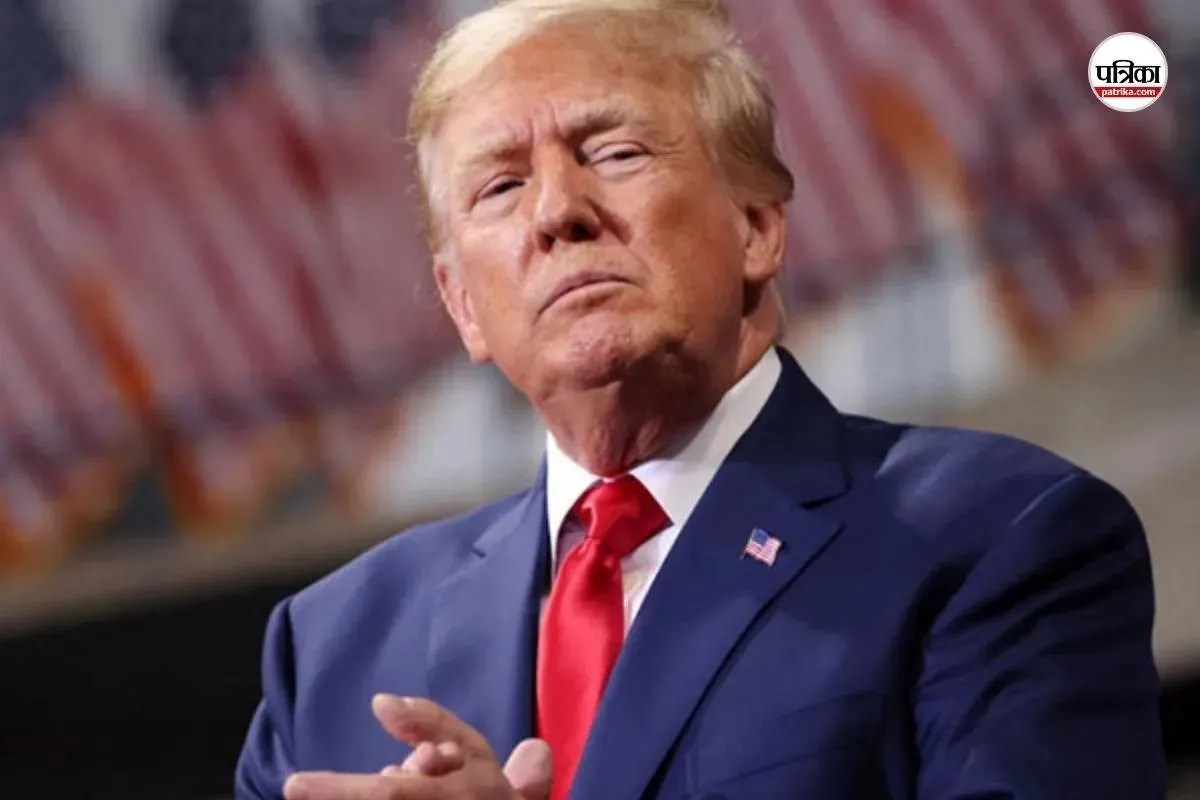
While the diplomats pack their bags, the implementation on the ground has already started. Naval traffic in the region is supposed to return to pre-war proportions. But clearing sea mines takes time, and trust is non-existent. President Trump has already made it clear at the G7 summit in France that any Iranian violation will lead to an immediate renewal of the US military campaign.
This creates an incredibly volatile environment. If a rogue proxy group fires a single missile, or if a commercial ship hits an un-cleared mine in the next 30 days, the entire 14-point framework collapses instantly.
What Happens Next on the Ground
Do not let the headlines fool you into thinking the Middle East just found permanent peace. This MoU is a band-aid on a gunshot wound.
If you are tracking global markets or geopolitical stability, watch the next 30 days closely. The true test is not the digital signatures on the document. The test is whether the US actually lifts the blockade without incident, and whether Iran truly stops harassing international shipping lanes.
For businesses and observers, the immediate next step is watching the crude oil market react to the new US Treasury waivers. Expect Iranian oil to flood back into the supply chain quickly as Tehran looks to cash in on its diplomatic leverage. But keep your enthusiasm checked. Until a binding resolution clears the UN Security Council as outlined in paragraph 14, we are all just waiting for the 60-day timer to run out.