The mainstream media is stuck in a 2015 time loop. Every time a microphone appears in front of a diplomat in Tehran or a politician in Washington, the same tired script gets read aloud. Iran beats its chest about its sovereign right to enrich uranium under the Nuclear Non-Proliferation Treaty (NPT). The United States counters with vague threats of maximum pressure, mixed with the occasional tantalizing hint of a grand bargain, a peace deal, or a handshake.
The consensus view is simple: two bitter enemies are locked in a high-stakes game of chicken, desperately trying to avoid a catastrophic conflict while seeking a diplomatic exit ramp.
It is a comforting narrative. It is also completely wrong.
The geopolitical reality is far more cynical. Neither Washington nor Tehran actually wants a permanent diplomatic resolution to the nuclear issue. The ongoing, never-ending crisis is too valuable to both sides. The "threat" of an Iranian nuclear weapon is the single most effective leverage tool both regimes possess to maintain internal stability and external influence. They do not want a deal; they want the theater of a deal.
The Sovereign Right Fallacy
Let us dismantle the core Iranian argument first. Tehran consistently hides behind Article IV of the NPT, which guarantees the "inalienable right of all the Parties to the Treaty to develop research, production and use of nuclear energy for peaceful purposes without discrimination."
This is a textbook case of selective reading. I have spent decades analyzing non-proliferation frameworks and tracking sanctions compliance. Here is the nuance the standard news reports ignore: rights under international law do not exist in a vacuum. They are bound to obligations.
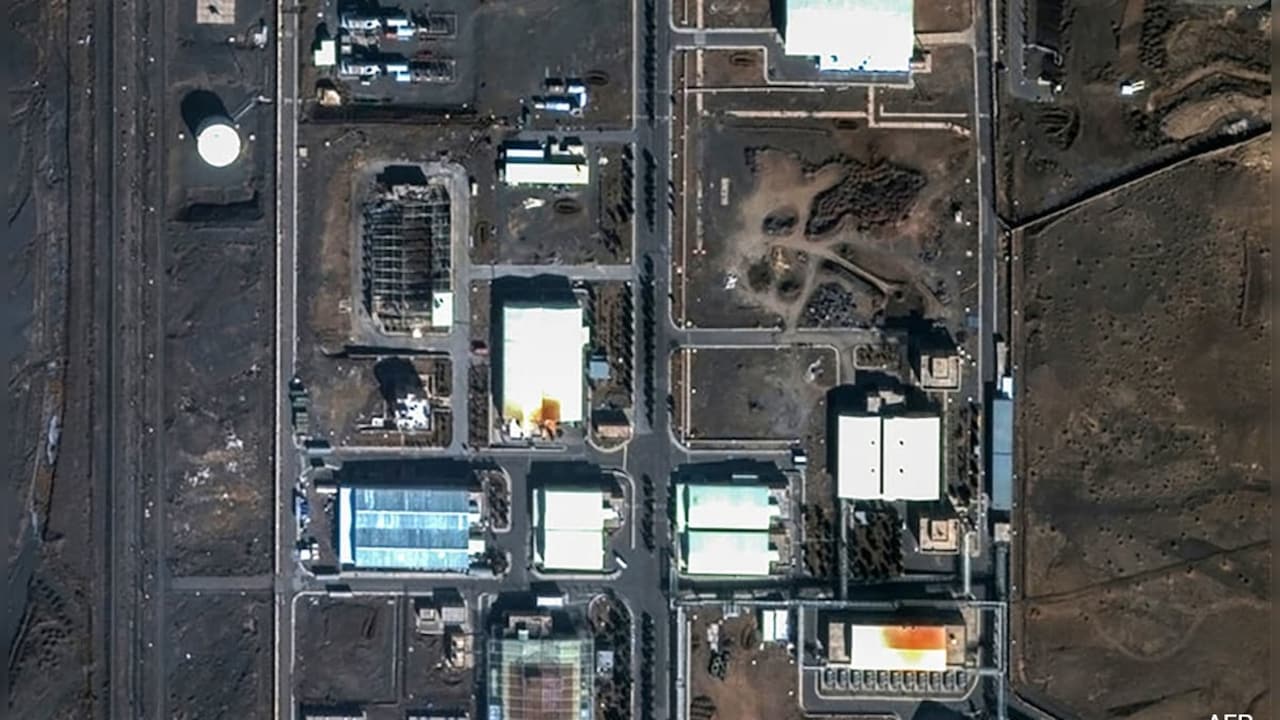
Article III of the very same treaty mandates that non-nuclear-weapon states accept safeguards administered by the International Atomic Energy Agency (IAEA) to verify that nuclear material is not diverted to nuclear weapons. When Iran hid its enrichment facilities at Natanz and Arak for years until dissidents exposed them in 2002, it violated those obligations.
NPT Article III (Obligations) -> Breach -> Loss of De Facto Legitimacy Under Article IV (Rights)
To claim an unconditional right to enrich while repeatedly barring IAEA inspectors, wiping data drives, and failing to explain traces of man-made uranium at undeclared sites is legal gaslighting. Tehran knows this. But the argument is not meant to convince international lawyers. It is designed to whip up nationalist fervor at home, framing a highly volatile military program as a matter of scientific pride and anti-imperialist resistance.
The Art of the Perpetual Threat
On the flip side, the American political establishment relies on the specter of a nuclear Iran to justify its entire Middle Eastern security architecture.
Imagine a scenario where Iran suddenly agrees to complete, intrusive, permanent disarmament. Every centrifuge dismantled. Every gram of enriched material shipped out of the country. A flawless peace deal.
What happens the next day?
The US foreign policy establishment loses its primary justification for billions of dollars in arms sales to the Gulf states. The Pentagon loses its rationale for maintaining a massive naval and air footprint in the region. Politicians lose their favorite foreign bogeyman used to rally bipartisan support for defense spending bills.
The friction is the point. For Washington, a perpetually "almost-nuclear" Iran is far more useful than a compliant, peaceful Iran. It keeps regional allies dependent on American military protection and keeps Iran contained within a neat, predictable diplomatic box.
The Logistics of the Breakout Time Myth
The media loves to panic over "breakout time"—the theoretical period required for Iran to produce enough weapons-grade uranium (enriched to 90% U-235) for a single nuclear device. For months, experts have warned that this breakout time is down to days or weeks.
This metric is deeply flawed and highly misleading. Producing highly enriched uranium is not the same as building a deliverable nuclear weapon.
To turn a pile of 90% enriched uranium into a weapon that actually matters, a state needs to master three distinct, incredibly complex engineering challenges:
- Weaponization: Converting uranium hexafluoride gas into uranium metal, shaping it into a hemisphere, and designing a high-explosive triggering system that compresses the core with microsecond precision.
- Miniaturization: Shrinking that entire physics package so it can fit inside the cramped confines of a missile nose cone.
- Re-entry Vehicles: Building a heat shield capable of surviving the extreme thermal and mechanical stress of re-entering the Earth's atmosphere at Mach 5.
Public intelligence assessments from organizations like the Stockholm International Peace Research Institute (SIPRI) indicate that while Iran has mastered the fuel cycle, it has not completed the weaponization or re-entry vehicle engineering. That process takes months, if not years, of highly detectable testing.
When politicians tease an imminent peace deal to stop a breakout, they are selling a cure for a disease that hasn't even finished incubating. They are weaponizing public ignorance of nuclear physics to score quick political points.
Why Maximum Pressure Always Fails
The conventional wisdom among hawks is that more sanctions, harsher rhetoric, and total isolation will eventually force Iran to give up its nuclear ambitions. This strategy ignores basic economic and psychological realities.
Sanctions are an inefficient instrument of statecraft. They do not target the elites making the decisions; they crush the middle class. In Iran, the Islamic Revolutionary Guard Corps (IRGC) actually benefits from Western sanctions. By shutting down legitimate international trade, sanctions create a massive, highly lucrative black market for smuggling oil, consumer goods, and industrial equipment.
The IRGC controls these smuggling routes. The harsher the sanctions, the higher the profit margins for the black-market monopolies controlled by the regime's praetorian guard.
Western Sanctions -> Collapse of Legitimate Trade -> IRGC Black Market Monopoly -> Regime Enrichment
Furthermore, demanding total capitulation from a regime built on the foundational myth of resisting Western hegemony is a mathematical impossibility. The moment the Supreme Leader bows completely to American demands, the regime loses its domestic ideological legitimacy. They would rather see the economy contract by another 10% than suffer a humiliation that could trigger a domestic uprising.
The Actionable Truth for Investors and Analysts
If you are managing risk, trading energy commodities, or trying to understand geopolitical shifts, you must stop listening to the rhetoric of impending deals or imminent wars.
- Discount the Headlines: Treat every announcement of a "breakthrough agreement" or a "final warning" as domestic political theater. Look at the actual footprint of IAEA inspectors and the volume of oil moving through the Strait of Hormuz. Data matters; press releases do not.
- Watch the Energy Balance: Iran's nuclear program is a proxy for its economic survival. When oil prices are high, Tehran has zero incentive to negotiate seriously. They only come to the table when their cash reserves hit critically low levels. Monitor Beijing’s purchasing of discounted Iranian crude; as long as China buys, the nuclear program stays open.
- Acknowledge the Real Red Line: The red line is not 60% enrichment, or even 90% enrichment. The real point of no return is the expulsion of the IAEA or the resumption of underground explosive testing. Until you see seismic activity consistent with a nuclear test in the Iranian desert, the status quo remains intact.
The uncomfortable truth is that the current state of controlled hostility is a stable equilibrium. It serves the hardliners in Tehran, who use it to justify domestic repression, and it serves the political classes in the West, who use it to maintain a geopolitical foothold in the Middle East.
Stop waiting for a peace deal. Stop panicking about a war. The crisis is the strategy.


