Hollywood Lost Its Crown Jewel and Nobody Has a Plan to Bring It Back
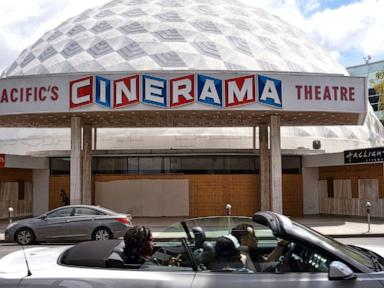
When Decurion Corporation shuttered Pacific Theatres and ArcLight Cinemas in April 2021, the loss of the Cinerama Dome hit Los Angeles like a localized economic collapse. The geodesic landmark on Sunset Boulevard had survived studio turnarounds, real estate crashes, and shifting consumer habits for nearly six decades. Promises of a swift revival followed almost immediately. Outlets trumpeted liquor license applications, pending renovations, and vague reopening timelines. Yet years after the screen went dark, the doors remain locked.
The narrative fed to film lovers was simple. COVID-19 killed the theater industry, and complex corporate restructuring delayed the grand reopening. That story is incomplete.
The reality involves a toxic mix of legacy debt, ruined distribution windows, and an exhibition model that no longer makes financial sense for standalone premium venues. The Cinerama Dome did not just shut down because of a virus. It collapsed because the economic bedrock supporting independent, high-end exhibition evaporated. Reopening its doors requires solving a puzzle that the modern movie business might not be equipped to fix.
The Sunset Boulevard Money Pit
To understand why the Dome remains dark, follow the capital.
Exhibition is a business of brutal margins. Movie theaters do not make their money from ticket sales during the first few weeks of a blockbuster run. Studios take anywhere from 50 to 70 percent of the gross box office receipts off the top. The house survives on concession sales, booking fees, and steady foot traffic across multiple auditoriums.
The Cinerama Dome site operates under a unique structural disadvantage.
The ArcLight Anchor Problem
The Dome itself is a single-screen venue with 860 seats. Maintaining a single-screen theater in prime Hollywood real estate is a financial non-starter. To make the venue viable, Decurion built the surrounding ArcLight Hollywood complex in 2002, adding 13 additional screens, a high-end restaurant, and a massive parking structure.
The model relied on high-volume, high-margin operations:
- Premium Ticket Pricing: Charging a $3 to $5 premium over standard multiplexes for reserved seating and pristine presentation.
- High-Volume Concessions: Replacing standard fake-butter popcorn with gourmet food, draft beer, and artisanal cocktails.
- Corporate Events and Premieres: Renting out auditoriums for studio events during slow weekday mornings.
When the pandemic hit, the cash flow supporting this multi-million-dollar infrastructure vanished overnight. Decurion, operating through its subsidiary Pacific Theatres, faced massive back-rent obligations across dozens of locations. Surrendering the lease obligations in bankruptcy was a survival tactic for the parent company, but it left the Sunset Boulevard complex isolated in legal and financial limbo.
Why Studio Streaming Mandates Crushed the Premium Model
Exhibition executives used to rely on a predictable theatrical window. Major releases enjoyed 90 days of exclusive access in theaters before moving to home video or digital platforms. That window gave venues time to build word-of-mouth momentum and pull in repeat viewers.
That timeline collapsed.
Pre-2020 Model:  [Theatrical Exclusive: 90 Days] ---> [Home Video/VOD]
Current Reality: [Theatrical Exclusive: 30-45 Days] -> [Streaming / PVOD]
When studios shortened the window to 30 or 45 days, the fundamental math for venues like the Cinerama Dome changed forever.
The Loss of the "Cinephile Premium"
ArcLight thrived because film enthusiasts were willing to pay $22 for a ticket to see a film projected with perfect calibration. They paid for the experience of a dedicated movie house where ushers introduced the film, checked the picture quality, and enforced strict quiet policies.
Once studios began dropping major titles onto home streaming platforms within a month of their theatrical premiere, the value proposition eroded.
- Casual moviegoers opted to wait four weeks to watch the film at home.
- Die-hard fans still showed up, but a business cannot pay Hollywood real estate property taxes on die-hard fans alone.
- The high fixed costs of operating a curved 86-foot screen require consistent, full-capacity crowds, not just full houses on opening weekend.
Without guaranteed exclusive windows for mid-budget adult dramas and specialized releases, a venue that relies on high-end film presentation loses its core revenue driver.
The Technical Nightmare of the Geodesic Screen
Preserving historical architecture is noble. Running a business inside it is an operational nightmare.
The Cinerama Dome was constructed in 1963 using Buckminster Fuller’s geodesic design, erected in just 22 weeks to host the premiere of It's a Mad, Mad, Mad, Mad World. It was built specifically for three-strip Cinerama projection, a process that used three synchronized 35mm projectors to cast a seamless image across a deeply curved screen.
The Cost of Heritage
Modern presentation standards have made the Dome's greatest asset its biggest logistical hurdle.
"You don't just order a standard digital projector and aim it at a curved screen," explains one veteran Hollywood projection analyst. "A deeply curved surface creates distortion, focus fall-off on the edges, and severe reflection issues. Correcting that requires specialized optical lenses, custom laser alignment, and continuous technical oversight."
🔗 Read more: The Endless Encore of the Public Apology
When the venue reopens, it cannot simply offer standard 2K or 4K projection. Audiences expect premier presentation:
- 70mm Film Capability: Maintaining and operating rare 70mm and 30-strip Cinerama projection equipment requires specialized union projectionists, a dying breed in an automated digital landscape.
- Laser Projection Retrofits: Customizing modern RGB laser projection to fit a curved venue costs hundreds of thousands of dollars per auditoria.
- Acoustic Challenges: A concrete dome acts as a natural echo chamber. Controlling sound reflections requires constant maintenance of specialized wall baffling that degrades over time.
Investors looking at the site are not just facing lease costs. They are staring down millions in immediate capital expenditure just to bring the projection and sound systems up to competitive standards.
The Myth of the Savior Investor
Periodically, rumors circulate that a prominent director or a tech mogul will step in to buy the site. Quentin Tarantino bought the New Beverly Cinema and the Vista Theatre. Christopher Nolan and Steven Spielberg have aggressively advocated for film preservation. Why haven't they simply written a check for the Cinerama Dome?
Because buying a single-screen neighborhood revival house is fundamentally different from acquiring a massive commercial complex in central Hollywood.
| Theater | Model | Operational Scale | Real Estate Exposure |
|---|---|---|---|
| New Beverly Cinema | Single-screen revival house | Low overhead, cash-and-carry concessions | Low property tax, neighborhood footprint |
| Vista Theatre | Single-screen neighborhood venue | Moderate overhead, focused programming | Single structure, manageable maintenance |
| Cinerama Dome Complex | Multi-screen mega-plex + Dome | Massive overhead, high staffing, multi-story parking | Multi-million dollar annual property tax & lease liability |
Saving the Dome means taking on the entire Sunset Boulevard footprint. An investor cannot simply buy the curved structure and ignore the adjacent 13-screen multiplex and parking garage. The site is structured as a single commercial asset. Securing the rights means taking on the debt, the lease obligations, and the massive operational scale of the entire facility.
For a single direct benefactor, that isn't a passion project. It is a black hole for capital.
What Must Change for the Doors to Open
If the Cinerama Dome is ever going to project a film again, the entity operating it must abandon the traditional exhibition playbook. The traditional model of relying on studio tentpoles and overpriced concessions is dead.
A New Operating Blueprint
To survive the current landscape, any successful rebirth of the venue must implement a three-part structural change:
- Non-Profit or Cultural Foundation Status: The venue must transition toward a model similar to the American Cinematheque or the Academy Museum. Securing philanthropic grants, corporate sponsorships, and tax-exempt status is the only way to offset the real estate costs of central Hollywood.
- Special Event and Archival Focus: Instead of chasing standard wide releases that land on streaming a month later, the Dome must become a destination venue for non-replicable events. That means 70mm festivals, live director Q&As, roadshow engagements, and exclusive studio premieres.
- Decoupling the Complex: The surrounding 13-screen multiplex must be repurposed or subleased to separate commercial tenants. Expecting a single theater operator to manage a massive multi-screen footprint in a post-pandemic environment is an invitation to bankruptcy.
The Cinerama Dome stands as a stark monument to an era when moviegoing was an irreplaceable event rather than a content stream. Its empty marquee on Sunset Boulevard isn't a temporary delay. It is a warning sign to an industry that has allowed its history to be priced out of existence.
The screen is still there. The seats are still waiting. But until the economics of exhibition are restructured, the lights will stay off.