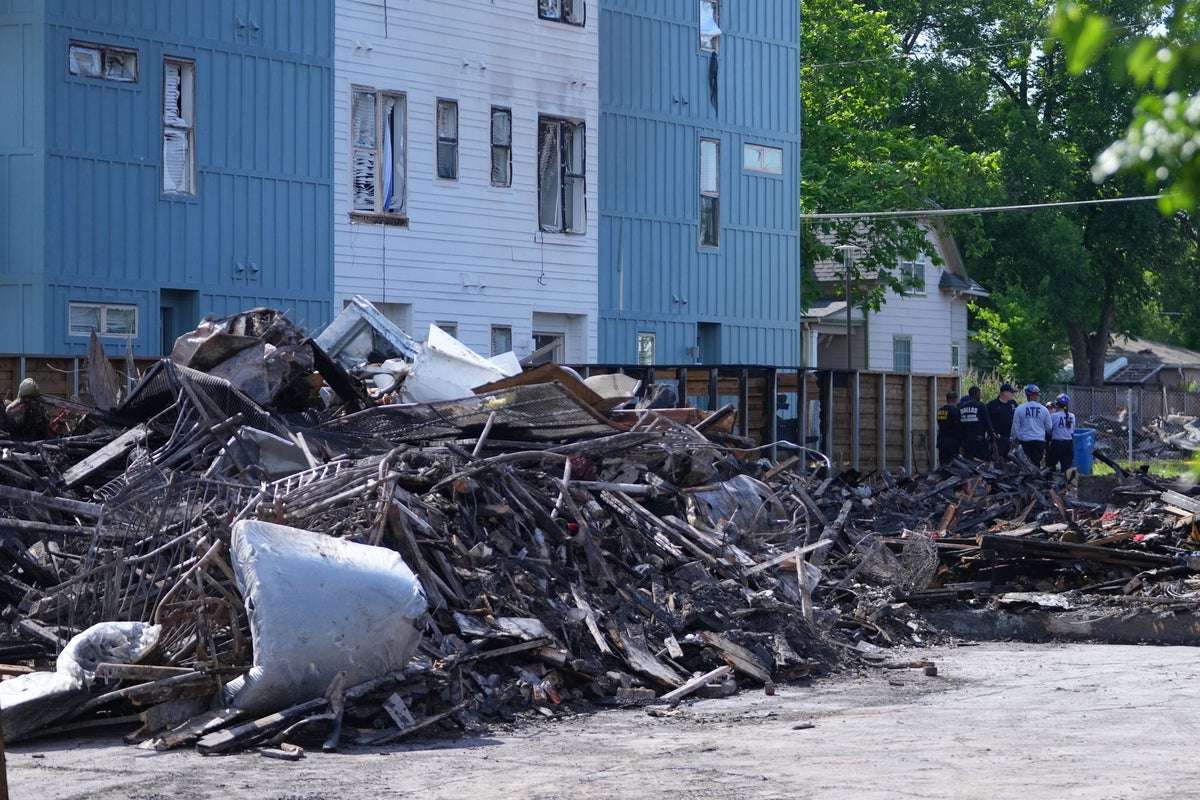
Recovery crews are currently navigating the skeletal remains of a Dallas apartment complex, searching for answers and potential victims following a devastating blast that leveled structures and shattered lives. While initial reports focus on the immediate chaos of the explosion, the underlying reality points to a systemic failure in urban infrastructure oversight and aging utility networks. This isn't just an isolated tragedy. It is a loud, violent warning about the hidden decay beneath growing metropolitan areas.
The scent of natural gas is often the first and only warning residents get. When that warning fails or is ignored, the results are catastrophic. As the dust settles in Dallas, the investigation shifts from rescue to accountability. We have to look at the intersection of municipal regulation, utility maintenance, and the legal protections afforded to renters in high-density developments. For another perspective, see: this related article.
The Mechanical Failure of Urban Safety Net
Investigating a blast site requires a meticulous reconstruction of the "path of ignition." Investigators are looking at the service lines that feed the building. In many Texas cities, rapid expansion has led to a patchwork of old pipes meeting new construction. This creates stress points. Soil shifts, temperature fluctuations, and construction vibrations all put pressure on cast-iron or unprotected steel pipes that should have been replaced decades ago.
The physics of a gas explosion are straightforward but terrifying. Natural gas is lighter than air. It rises. If it leaks in an enclosed space like a basement or a crawlspace, it accumulates until it reaches its lower explosive limit. At that point, a single spark—from a light switch, a water heater pilot, or even static electricity—transforms a residential building into a bomb. Related insight on the subject has been provided by NBC News.
Data from the Pipeline and Hazardous Materials Safety Administration suggests that distribution system leaks are a persistent threat in rapidly developing urban corridors. We often celebrate the "Texas Miracle" of fast-paced real estate growth. We rarely discuss the strain that growth puts on the regulated monopolies responsible for keeping the gas inside the pipes.
Where Property Management Meets Liability
Apartment owners have a non-delegable duty to maintain a safe environment. However, the line between utility responsibility and property management responsibility is often blurred, purposefully or otherwise. The "meter bar" serves as the legal border. Everything before the meter belongs to the gas company. Everything after it belongs to the landlord.
This creates a dangerous gap in surveillance. Gas companies perform leak surveys on their own lines, but they rarely inspect the internal plumbing of a private apartment complex unless a leak is reported. If a landlord neglects preventative maintenance on internal risers or appliance connectors to save on overhead, the risk profile of the entire building shifts.
We see a recurring pattern in these litigations. Residents often report the smell of "rotten eggs"—the mercaptan odorant added to gas—days or weeks before a disaster. If those reports are not logged or if the onsite maintenance team lacks the specialized equipment to "sniff" for methane, the countdown continues. Documentation is the first thing that "disappears" after an explosion. Maintenance logs, work orders, and email threads become the primary battlefield for investigative journalists and trial lawyers alike.
The Cost of Deferred Maintenance
Money is the silent driver of infrastructure failure. When interest rates rise and occupancy fluctuates, "non-essential" inspections are often the first items slashed from a property manager's budget.
- Visual Inspections: Checking for corrosion on exposed pipes.
- Pressure Testing: Ensuring the system holds steady under load.
- Sensor Installation: Modern methane detectors can alert the fire department automatically, but they are rarely mandated by local building codes for older retrofits.
The Regulatory Blind Spot in North Texas
Texas has a reputation for being business-friendly, which often translates to a lighter touch from regulators. The Texas Railroad Commission oversees the oil and gas industry, including pipeline safety. While they have the authority to levy fines, critics argue that the penalties are often seen as a "cost of doing business" rather than a deterrent.
Local building codes in Dallas have evolved, but they are not always retroactive. A building constructed in the 1970s is not held to the same safety standards as a high-rise built last year. This creates a tiered system of safety where lower-income residents, often living in older complexes, are exposed to higher risks of mechanical failure.
The Dallas explosion highlights the need for a "Right to Inspect" movement. Tenants currently have very little power to demand a certified gas safety audit of their entire building. They can report a leak in their own unit, but they have no visibility into the integrity of the main lines running through the walls of their neighbors.
Technical Barriers to Total Safety
We cannot ignore the engineering challenges. Retrofitting thousands of aging apartment complexes with modern safety shut-off valves is an enormous financial undertaking. These valves, known as Excess Flow Valves (EFVs), can automatically kill the gas supply if a line is severed. While federal rules have expanded their use in new single-family homes, the mandate for multi-family units lags behind.
The industry argues that the cost of these retrofits would be passed directly to the tenants in the form of higher rent. This is the brutal math of urban living. You can have cheaper housing with higher risks, or safer housing that is unaffordable for the working class.
The Search for the Missing and the Truth
As the crews in Dallas move concrete slabs, they are looking for more than victims. They are looking for the regulator, the valve, or the fractured pipe that failed to do its job. The forensic evidence in an explosion is often scorched or destroyed, making these investigations some of the most difficult in the world.
Experts use computer modeling to simulate the blast radius and determine the concentration of gas required to cause that specific level of structural damage. If the damage is consistent with a slow leak, the negligence falls on the inspectors. If it was a sudden, high-pressure rupture, the focus shifts to the utility provider or external third-party contractors who may have struck a line during nearby excavation.
This event should change how we view our cities. We see the skyline and the new glass towers, but we forget the pressurized, volatile energy flowing beneath our feet. Every old pipe is a debt that will eventually come due. In Dallas, that debt was paid in blood and rubble.
The immediate priority is the families. The secondary priority is a total audit of the high-density residential blocks that mirror the conditions of this blast site. If we wait for the next smell of gas to take action, we have already failed.