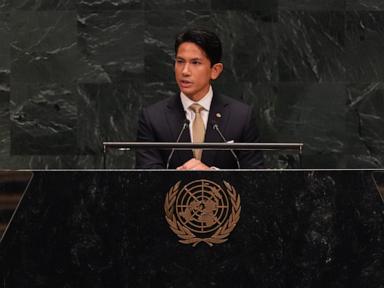
Every time a global crisis explodes across our screens, the ritual begins. High-ranking officials pack into glass towers, adjust their microphones, and issue deeply concerned statements about the state of humanity. They call for unity. They draft resolutions filled with diplomatic adjectives. Then they adjourn for lunch.
We have been conditioned to treat these gatherings as sacred pillars of international order. We are told that talking solves war, that declarations prevent famine, and that the mere existence of a global assembly keeps the peace.
It is a comforting illusion. It is also completely backwards.
The lazy consensus among mainstream commentators is that international organizations simply lack enough funding or cooperation to solve the world's biggest problems. Give them more resources, the argument goes, and they will fix poverty, stop conflict, and manage global climate shifts.
This view ignores the structural reality of bureaucratic self-preservation. When your primary Key Performance Indicator is consensus, you avoid making decisions that actually matter. Real diplomacy happens behind closed doors between actors with leverage and skin in the game, not through performative speeches delivered to half-empty halls.
I have spent years watching institutions swallow billions of dollars in aid and administrative overhead while actual ground-level realities deteriorated. Organizations designed to prevent conflict often become passive observers to it, trapped by vetoes, red tape, and institutional inertia.
The Illusion of Collective Action
Let us look at how the system actually operates. Imagine a scenario where a regional conflict breaks out, threatening millions of civilians. The playbook is entirely predictable. An emergency session is called. Delegates express profound dismay. A watered-down resolution passes after weeks of horse-trading, stripped of any enforcement mechanism that might offend a powerful member state.
By the time the paperwork dries, the crisis has evolved or burned itself out entirely.
The defenders of this model argue that maintaining a permanent venue for dialogue prevents total global isolation. That is a low bar. Keeping diplomats in the same room so they can yell at each other is an expensive substitute for actual accountability. When accountability is distributed among one hundred and ninety-three members, nobody is responsible when things go wrong.
Metrics That Matter Versus Rhetoric That Sells
We measure the success of global governance by the number of summits held, treaties signed, and declarations published. This is like measuring a hospital's effectiveness by how many clipboards it purchases.
Real progress happens when incentives align. Nations do not stop fighting because a committee drafts a sternly worded letter. They stop fighting when the cost of continuing exceeds the cost of stopping, or when a concrete balance of power shifts.
Admitting this truth does not make you a cynic. It makes you a realist. The alternative approach requires us to keep funding a global apparatus that prioritizes process over outcomes, mistaking the meeting for the solution.
Stop waiting for a bureaucratic breakthrough that will never arrive. Look instead at bilateral agreements, local economic leverage, and direct accountability where power actually resides.
The microphone is off. The speeches are over. Now deal with reality.