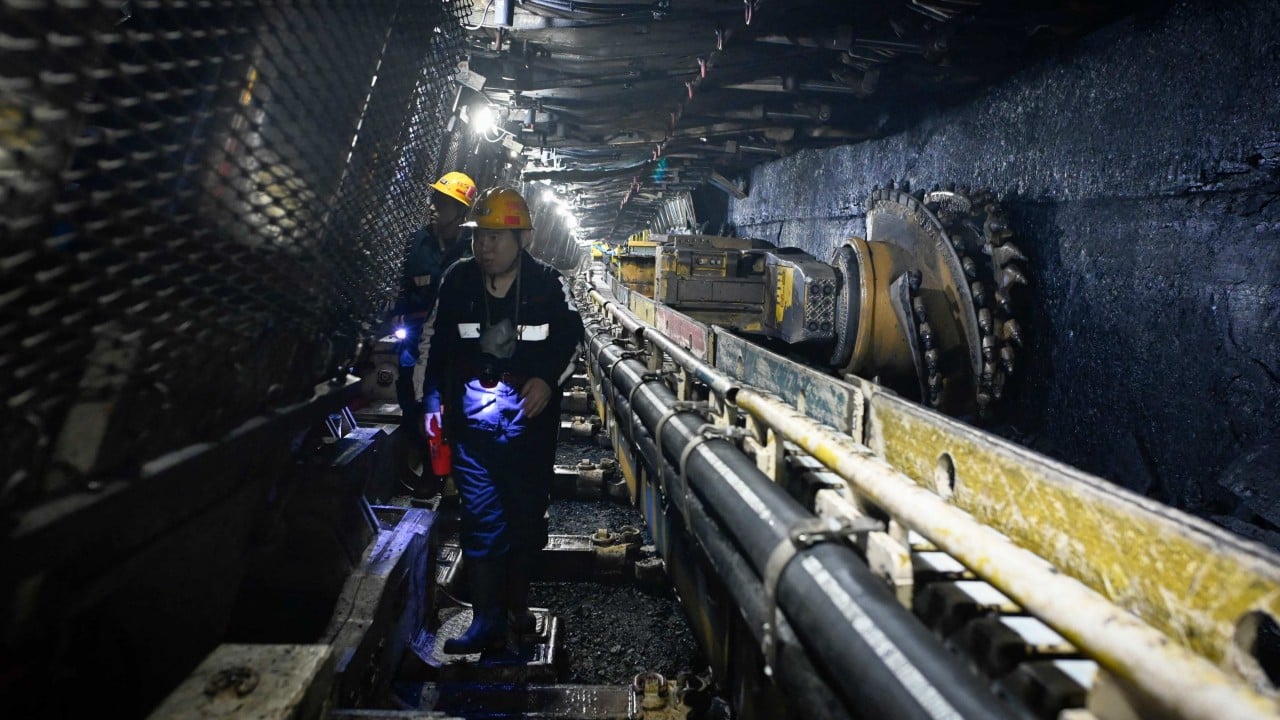
Chinese researchers have published a bold proposal to transform thousands of exhausted coal mines into subterranean agricultural hubs, offering a vision where old mineral tunnels grow fresh crops insulated from surface climate chaos. Driven by mounting resource pressures and an estimated fifteen thousand mining sites projected to shutter across the nation by 2030, scientists in Shanxi province argue that these dark, deep spaces can be retrofitted for controlled environment agriculture. The concept relies on utilizing existing mine shafts, localized water supplies, and subterranean warmth to cultivate high-value produce without relying on arable surface soil. Yet beneath the glossy academic paper published in China Mining Magazine lies a punishing reality of exorbitant energy bills, severe safety hazards, and logistical nightmares that render large-scale commercial food production underground deeply improbable.
Proponents of subterranean farming point to obvious structural advantages. Surface agriculture faces compounding vulnerabilities from shifting weather patterns, severe droughts, and unseasonal floods that wipe out harvests with brutal regularity. Deep beneath the earth, ambient temperatures remain relatively constant year-round, removing the thermal swings that stress crops. Furthermore, existing industrial assets such as heavy-duty ventilation shafts, underground power grids, and local water inflow can theoretically be repurposed. Instead of abandoning these billion-dollar excavation networks to flood or collapse, operators could install vertical hydroponic racks, feed plant roots with nutrient solutions, and mount LED arrays to replace natural sunlight.
The ambition aligns neatly with national directives promoting a circular economy. China faces a tight ratio of arable land relative to its massive population, forcing agricultural planners to seek unconventional yields anywhere possible. Industrial regions like Shanxi, which spent decades tunneling into the earth to fuel national industrialization, carry an immense footprint of structural emptiness once the coal runs dry. Converting those cavities into food production units sounds like a brilliant piece of ecological redemption.
The breakdown begins the moment one calculates the sheer thermodynamic cost of the operation. Sunlight is free. Electricity is not. Replicating the solar spectrum across acres of subterranean chamber requires an astronomical volume of artificial illumination. In a traditional vertical farm built above ground, energy expenses already consume a crushing share of operating capital, often squeezing profit margins to the point of insolvency. Moving that operation deep underground multiplies the penalty. Every lumen of light, every cubic foot of fresh air, and every drop of recirculated water must be mechanically forced down miles of rock and then pumped back out.
Ventilation remains a silent killer of economic feasibility. Coal mines do not naturally circulate breathable, clean air suitable for dense biological life. Even after a mine is abandoned, the surrounding strata continuously off-gas residual methane, carbon dioxide, and toxic trace particulates. Scrubbing these tunnels to hospital-grade standards for food cultivation demands industrial air handling systems running twenty-four hours a day. A single mechanical failure in the ventilation grid could instantly concentrate toxic gases, wiping out entire crop yields or poisoning harvest crews.
Safety hazards extend far beyond mere air quality. Structural integrity in abandoned coal operations degrades rapidly once maintenance stops and groundwater begins to re-enter the voids. Rock spalling, roof collapses, and sudden seismic shifts are common in exhausted seams. Reinforcing miles of subterranean tunnels to support heavy commercial agricultural equipment, water reservoirs, and electrical distribution lines requires capital expenditure that dwarfs the value of the lettuce or strawberries grown inside. Insurance underwriters would likely balk at the liability profile of sending agricultural laborers deep into unstable carboniferous strata.
Proponents often cite historic or niche examples of underground cultivation, such as small-scale mushroom farms or boutique herb operations housed in urban basements or old limestone caves, as proof of concept. These comparisons fall apart under scrutiny. Growing button mushrooms in a damp cave requires negligible light and minimal infrastructure. Scaling that model into a high-yield production center for staple or commercial vegetables inside a collapsed, jagged, gas-laden coal corridor is an entirely different engineering challenge. The distance between growing microgreens in a former World War II air raid shelter in London and operating an industrial breadbasket inside a deep Shanxi coal pit is measured in billions of dollars of unrecoverable risk.
Water management presents yet another compounding paradox. While abandoned mines frequently feature accumulated groundwater, that water is rarely pristine. It is typically acidic, heavy with dissolved heavy metals, and contaminated with sulfur compounds from decades of mineral exposure. Purifying mine pool water to a standard safe for crop irrigation requires intensive chemical treatment and reverse osmosis filtration. The wastewater generated by this purification process then creates a secondary environmental disposal crisis. Rather than solving an ecological problem, the farm becomes a heavy industrial processing plant that happens to grow tomatoes.
Logistics will always favor the surface. Moving heavy inputs like seeds, nutrients, and packaging materials down a vertical shaft, and then hauling fragile harvested produce back up to distribution trucks, introduces endless points of mechanical friction. A supply chain crippled by elevator bottlenecks and subterranean transport delays cannot compete with open-air farming or even standardized surface greenhouses positioned near major transit arteries.
The proposal from Shanxi represents a classic collision between utopian academic modeling and brutal industrial economics. While the science of hydroponics is sound and the desire to reuse exhausted industrial infrastructure is noble, physics and finance refuse to cooperate. The subterranean voids left behind by the coal era are monuments to extraction, not cradles for agriculture. Capital would be infinitely better deployed upgrading surface irrigation efficiency, expanding dry-land farming technology, or investing in traditional urban vertical structures where light, safety, and logistics do not require fighting the crushing weight of the earth.
Subterranean farming will likely retain a niche role for specialized research, military redundancy, or exotic crop cultivation in extreme environments like future lunar bases. On Earth, however, the economics of digging deeper for our daily bread simply do not add up.