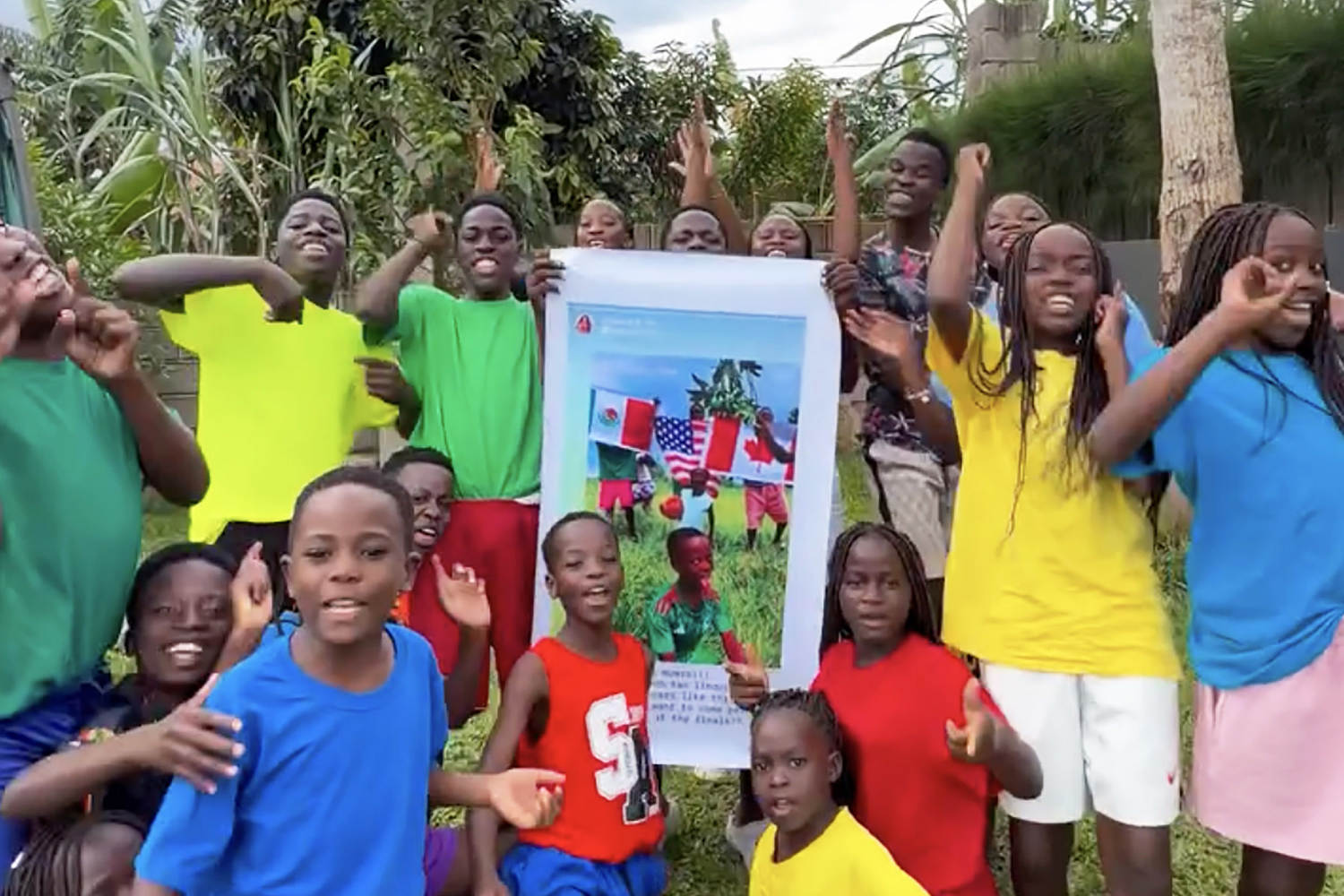
The world doesn't need another generic pop music spectacle. We've seen the same polished, sterile stadium shows for decades. But the announcement that Uganda's Ghetto Kids will share the stage with Shakira at the upcoming World Cup final halftime show changes everything. This isn't just a big gig for a talented group of dancers. It's a massive shift in how global entertainment handles representation and raw talent.
If you've followed the rise of these young dancers from the streets of Kampala, you know this moment was inevitable. They've already conquered social media, wowed judges on Britain's Got Talent, and racked up hundreds of millions of views. Now, they're heading to the biggest sporting event on earth. Meanwhile, you can read similar events here: Institutional Credibility and the Gendered Economics of True Crime Production.
This collaboration works because it pairs the undisputed queen of World Cup anthems with the most energetic dance crew on the planet. Let's look at why this pairing is a masterclass in cultural synergy and what it means for the future of global performances.
The Journey from Kampala Streets to Global Stadiums
The story of the Ghetto Kids starts in the Katwe slum of Kampala, Uganda. Founded by Daouda Kavuma in 2014, the Inspire Ghetto Kids organization used dance as a rescue mission. Kavuma wanted to keep kids off the streets, help them stay in school, and give them a safe place to grow. To understand the bigger picture, we recommend the recent article by Entertainment Weekly.
They first went viral back in 2014 with a homemade dance video to Eddy Kenzo’s hit song Sitya Loss. They didn't have high-end cameras or a big budget. They just had infectious energy and undeniable skill.
Viral Milestones for Ghetto Kids:
2014: Eddy Kenzo's "Sitya Loss" video breakout
2017: Featured in French Montana's "Unforgettable" music video
2023: Golden Buzzer acts on Britain's Got Talent, reaching the finals
2026: Booking the World Cup final halftime show with Shakira
French Montana flew to Uganda in 2017 specifically to film with them. That wasn't charity work. It was a recognition that these kids possessed a style that Western pop stars couldn't replicate. By the time they hit the stage at Britain's Got Talent in 2023, earning a mid-performance Golden Buzzer from Bruno Tonioli, the world knew they weren't a temporary internet trend. They were elite performers.
Why Shakira Needs the Ghetto Kids and Vice Versa
Shakira is no stranger to the World Cup. Her 2010 track Waka Waka (This Time for Africa) remains the gold standard for tournament anthems. She understands rhythm, global appeal, and the specific energy needed to fill a massive football stadium.
But matching up with the Ghetto Kids isn't just about adding background dancers to her set. It's a deliberate creative choice. Shakira's choreography relies heavily on Afro-Colombian and Middle Eastern influences. The Ghetto Kids bring a style rooted in traditional Ugandan dance mixed with modern street styles. It’s fast, incredibly athletic, and relies heavily on facial expressions and pure joy.
Most pop star backup dancers are trained to be uniform. They blend into the background. The Ghetto Kids do the exact opposite. Every kid has a distinct personality on stage. You can't look away from them. Shakira knows this, and by sharing the halftime spotlight, she's signaling a move away from the traditional, over-produced American style of halftime shows toward something far more global and authentic.
Breaking Down the World Cup Entertainment Shift
For years, major sports halftime shows relied on a very specific formula. You get an American legacy act, a massive stage setup that takes ten minutes to build, and tons of pyrotechnics. It's expensive and predictable.
FIFA has been trying to change this dynamic to reflect a truly global audience. The World Cup isn't the Super Bowl; its audience spans every continent, and the music needs to match that reality. Bringing an African dance troupe into the absolute pinnacle of the tournament's entertainment program is a massive win.
Think about the sheer numbers. The World Cup final draws over a billion viewers. For an independent group from Uganda to command that audience alongside a global icon proves that the gatekeepers of major entertainment events are finally paying attention to grassroots talent outside the traditional Western pipeline.
What This Means for African Entertainment Export
Africa has been driving global pop culture trends for years through Afrobeats, Amapiano, and distinct dance styles. Yet, African artists often get relegated to side stages or introductory acts at major international events.
The Ghetto Kids joining the main halftime slot destroys that glass ceiling. They aren't an opening act. They are the main event component. This opens the door for other independent creative groups across the continent, proving that you don't need a massive Western record label behind you to land the biggest gigs on earth. You need a distinct voice, relentless work ethic, and digital savvy.
How to Support Grassroots Creative Movements
Watching this performance should inspire more than just applause. It should push the entertainment industry to change how it invests in talent. If you want to see more stories like the Ghetto Kids on the global stage, the blueprint is clear.
First, stop looking exclusively at traditional talent pipelines. Major agencies and scouts need to look at digital communities and independent creators who are building genuine audiences without corporate backing.
Second, invest in the infrastructure that creates these groups. The Inspire Ghetto Kids organization succeeded because it provided housing, education, and a safe space alongside dance training. Supporting similar community arts programs in developing regions yields massive cultural returns.
Keep an eye on the official FIFA broadcast channels as the final approaches for behind-the-scenes rehearsal footage. Pay attention to how the choreography blends Shakira's signature moves with the high-octane energy of Kampala's finest. This performance will likely change the blueprint for sports entertainment for the next decade. Watch it closely.