A viral video recently sent shockwaves through social media, showing men mysteriously emerging from a manhole cover in the middle of a busy New York City street. Instantly, the internet did what it does best. Conspiracy theories spiked. People started talking about secret underground societies, clandestine operations, and Hollywood-style urban exploration.
Let's clear things up right now. The reality of New York City's sewers is far less theatrical, yet incredibly complex, dangerous, and vital to the city's survival.
When you see individuals climbing out of a manhole, you are almost always looking at utility workers, specialized contractors, or structural engineers doing some of the most hazardous work in America. The subterranean infrastructure of New York is a sprawling, century-old labyrinth. Managing it requires constant human intervention. It is a grueling environment that keeps the city above ground functioning every single day.
Behind the Viral Video of Men in the Manholes
The viral footage sparked intense curiosity, but municipal experts and city agencies like the New York City Department of Environmental Protection (DEP) emphasize that manhole access is strictly regulated. It has to be.
Unauthorized entry into the sewer system is a serious federal and local offense. It is also a quick way to die.
When people see workers emerging from these access points without massive pieces of heavy machinery nearby, they assume something strange is happening. The truth is routine inspections often require small teams to enter specific access points to check on brickwork, clear localized blockages, or inspect fiber-optic cables that run alongside municipal lines.
Conspiracies thrive on a lack of information. The city relies on thousands of miles of underground tunnels. Someone has to maintain them.
The Brutal Physical Reality of the Subterranean Grid
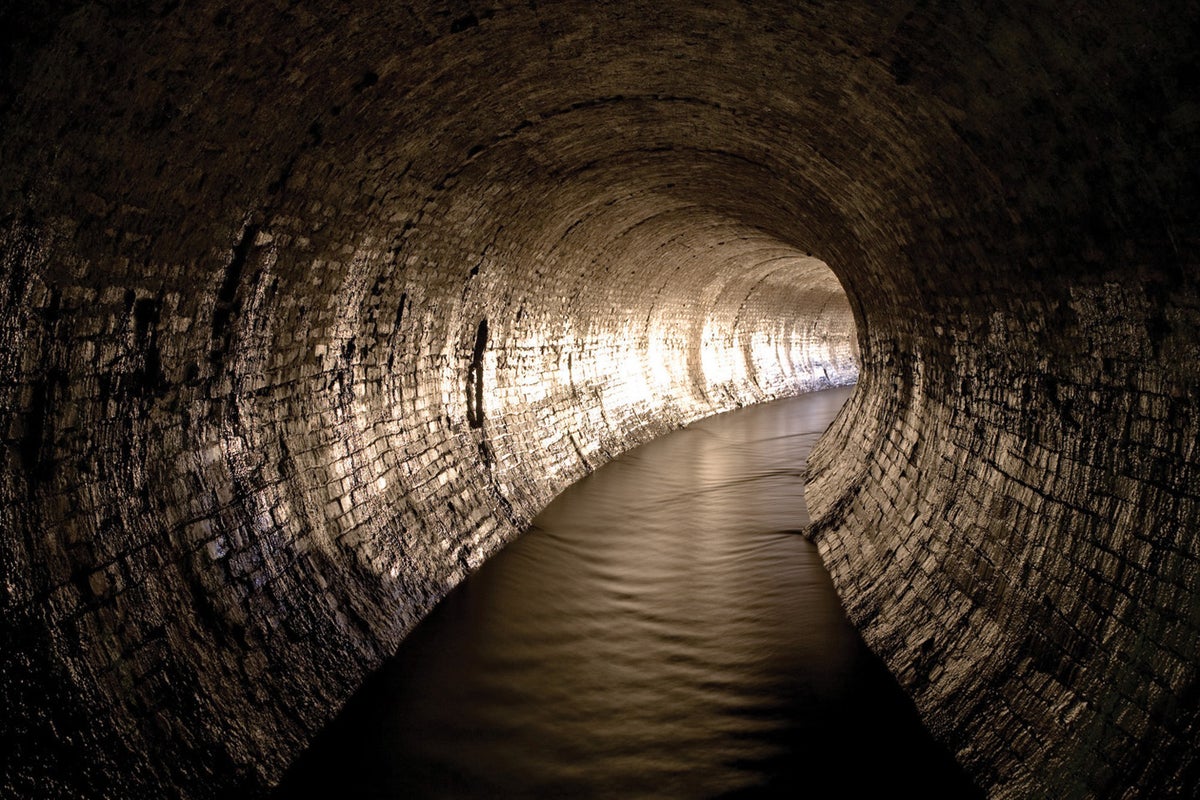
The underground network is not a clean, hollow series of concrete tubes. It is an intense, volatile environment. The city's sewer system spans over 7,500 miles of pipes, regulators, and catch basins. Parts of this network date back to the 19th century, constructed with specialized masonry and old-world brickwork that requires meticulous upkeep.
Industrial workers face a cocktail of hazards the moment they drop below street level.
Atmospheric testing is mandatory before anyone steps onto a subterranean ladder. Toxic gases like hydrogen sulfide, methane, and carbon monoxide can pool in low-lying areas. Hydrogen sulfide smells like rotten eggs at first, but it quickly paralyzes your sense of smell. If you do not have a gas detector, you pass out and die in minutes.
Then there is the sheer physical force of the water. New York uses a combined sewer system in many areas. This means regular wastewater from homes and businesses mixes with stormwater runoff from the streets. A sudden rainstorm miles away can turn a dry, walkable brick tunnel into a raging torrent within seconds.
Who Actually Goes Down There
Apart from occasional criminal trespassers or urban explorers risking arrest and death, three distinct groups operate within this subterranean world.
Municipal Sewer Workers and Engineers
These are the frontline defenders of public health. Clad in heavy protective suits, harnesses, and respirators, they clear blockages, patch aging brick lines, and ensure the gravity-fed system keeps moving toward wastewater treatment plants. They handle the infamous "fatbergs"—massive, congealed masses of cooking grease, wet wipes, and household trash that harden like concrete inside the pipes.
Utility and Telecom Technicians
Not every manhole leads to a sewer. The space directly beneath New York's streets is shared. Companies like Con Edison, Verizon, and various infrastructure contractors manage massive networks of electrical grids, steam pipes, and fiber-optic communication lines. These vaults are cramped and hot, often sitting right alongside or directly above the active sewer lines.
Subterranean Wildlife and the Myth Factor
Let's crush the classic urban legend. There are no mutant alligators living in the New York transit or waste tunnels. The environment is far too cold and toxic for large reptiles to survive.
Rats, however, are another story. The rodent population is real, adaptive, and massive. They utilize the upper ledges of older brick sewers to travel away from the elements above, feeding on the endless stream of organic waste flushed down by millions of residents.
How the City is Changing Its Approach Underground
The old ways of managing this massive system are failing under the weight of climate change and shifting weather patterns. Intense storms overwhelm the combined system, leading to dangerous overflows into local waterways.
To combat this, the city is shifting toward automation and remote monitoring where possible.
Sonar-equipped drones and remote-controlled rovers are increasingly used to map out structural defects before sending a human being into a hazardous zone. These machines can scan miles of pipe, detecting hairline cracks in old brickwork or measuring the exact dimensions of a fatberg blockage.
Yet, technology has its limits. A machine cannot lay new mortar on a crumbling 1890s brick archway. It cannot clear a massive obstruction that requires manual hydro-jetting or physical extraction. Human labor remains completely irreplaceable in the deep infrastructure space.
What You Should Do Next
The next time you see a manhole cover removed or a team of workers climbing out of the street, do not look for a conspiracy. Understand that you are witnessing the critical, dangerous maintenance of a city's life support system.
Keep your distance from open manholes. The gases venting from them can be harmful, and the drop can be dozens of feet down into fast-moving water.
Keep the system working from your own home. Stop flushing anything other than toilet paper and human waste. Avoid pouring cooking grease down the kitchen sink. The choices made in apartments directly dictate the hazardous conditions workers face when they drop beneath the asphalt to keep New York running.