Most people board a flight to Honolulu looking for beaches, shaved ice, and a tan. They pack light. They expect to return home with nothing more than a couple of macadamia nut boxes and a mild sunburn.
But there is a different kind of traveler heading to the islands.
These travelers carry empty duffel bags and keep local estate liquidators on speed dial. They know a secret. Hawaii is one of the most lucrative, strange, and overlooked goldmines for high-end antiques in the world.
Think about it. For over a century, the world’s ultra-wealthy have viewed Hawaii as the ultimate final destination. Sugar barons, shipping magnates, Hollywood stars, and eccentric billionaires bought massive estates in Kahala, Diamond Head, and the hills of Maui. They filled these mansions with priceless treasures imported from Europe and Asia. Then, they died.
When these wealthy residents pass away, their heirs often live thousands of miles away on the mainland. They do not want to ship a twelve-foot Chinese lacquer screen or a heavy koa wood dining table across the Pacific Ocean. They want the house cleared out. Fast.
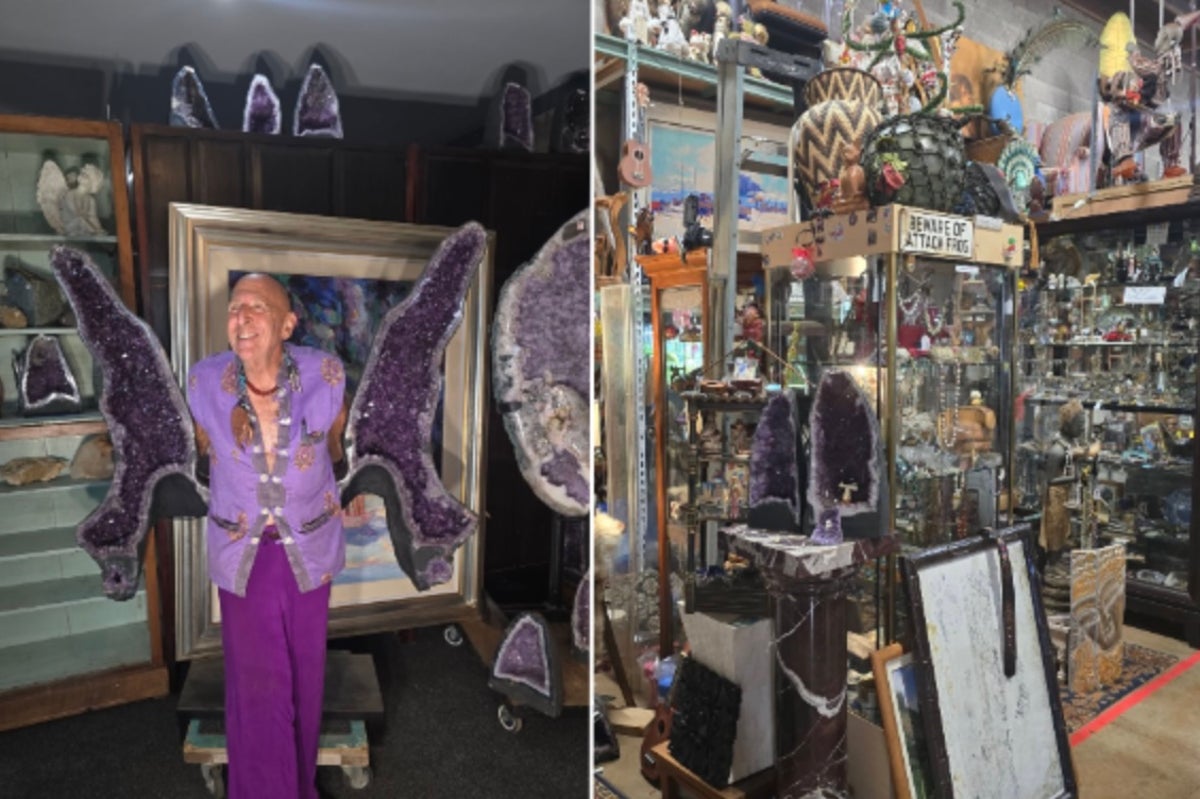
This is where local antique dealers and savvy collectors step in. The result is a bizarre, high-stakes marketplace where the literal possessions of dead millionaires are sold off to the highest bidder.
Here is what it is actually like inside the world of Hawaii estate liquidations, and how you can navigate it without getting cleaned out.
The Island Antique Economy is Different
On the mainland, antiquing is a predictable game. You drive through New England or the Midwest and stop at dusty barns filled with pine furniture, rusty milk cans, and colonial-era quilts. It is a slow, regional trade.
Hawaii is different. The geography changes everything.
Because of the islands' position as the crossroads of the Pacific, the inventory you find here is a wild mix of cultures. You will walk into an estate sale in a quiet Honolulu neighborhood and find a 19th-century Japanese tansu chest sitting next to a French rococo mirror and a mid-century modern lounge chair.
The market is driven by estate liquidators who operate in a tight-knit, almost secretive network. When a wealthy resident dies, family members usually hire a local liquidation service to handle the entire contents of the home. These liquidators have to move fast. Real estate in Hawaii is some of the most expensive on earth. Every day a house sits full of furniture is a day the heirs are losing money on holding costs or delaying a multi-million dollar property sale.
This urgency creates immense opportunity for buyers. If you know what you are looking at, you can acquire world-class items for a fraction of what they would fetch in a New York or London gallery.
But you have to act quickly. The best items rarely make it to the public showroom floor.
The Holy Grail of Hawaiian Collecting
If you talk to any serious island collector, one word will come up constantly. Koa.
Koa is a hardwood tree that grows only in Hawaii. It is legendary for its deep, shimmering golden-red grain, a visual effect known as chatoyancy that makes the wood look almost three-dimensional under light. Historically, koa was reserved for Hawaiian royalty. They used it to build canoes, surfboards, and spears.
During the monarchy and territorial periods, wealthy residents commissioned local craftsmen to build massive furniture out of koa. Today, old-growth koa is incredibly rare and heavily protected. You cannot just go chop down a koa tree. Most new koa furniture is made from salvaged wood or small branches, which means antique, large-scale koa pieces are highly prized.
If you find a solid koa chest of drawers or a dining table from the early 1900s, you are looking at a serious investment. Here is how to tell if you are looking at the real deal or a cheap imitation.
Check the Weight
Koa is a dense, heavy wood. If a chair feels light and flimsy, it is likely monkeypod or a mainland wood stained to look like koa.
Look for the Shimmer
Move your head side to side while looking at the wood grain. Real koa has a distinct curly figure that seems to shift and catch the light as your angle changes. If the grain looks flat and static, walk away.
Inspect the Joinery
True antique Hawaiian furniture was often made by Chinese or Japanese immigrants who brought traditional joinery techniques to the islands. Look for hand-cut dovetails and mortise-and-tenon joints rather than modern screws or nails.
The Influx of Priceless Asian Art
In the mid-20th century, Hawaii became a major hub for wealthy families who made their fortunes in East Asian trade. These families accumulated massive collections of Chinese jade, Qing dynasty porcelain, Japanese woodblock prints, and Tibetan bronzes.
When these collectors passed away in the late 20th and early 21st centuries, their collections flooded the local market.
This creates a unique phenomenon. Mainland dealers regularly fly to Honolulu just to scour local thrift stores, estate sales, and antique shops for mislabeled Asian antiquities. A jade carving bought for fifty dollars at a backyard sale in Manoa can easily turn out to be a genuine 18th-century piece worth thousands at a mainland auction house.
Of course, the opposite is also true. The market is flooded with high-quality reproductions brought over by tourists or imported recently.
If you are buying Asian art in Hawaii, always ask for provenance. Where did the item come from? How long has it been in the islands? If the seller can trace the item back to a specific prominent local family or estate from the 1950s, the chances of it being authentic skyrocket.
Getting Your Treasures Home Without Going Broke
Let us say you find it. You are walking through an old estate in Nuuanu and find a gorgeous, hand-carved monkeypod coffee table from the 1960s. The price is right. You buy it.
Now comes the hard part. How do you get a hundred-pound piece of wood across two thousand miles of ocean?
This is where most amateur collectors fail. They fall in love with an item, buy it, and then realize the shipping costs exceed the value of the piece itself.
Do not rely on standard mail services for large furniture. It will cost you a fortune. Instead, look for local freight forwarders who specialize in consolidated shipping. These companies pack large containers with items from multiple buyers and ship them via ocean freight to West Coast ports like Seattle, Oakland, or Los Angeles.
It takes longer. Your item might spend three to six weeks on a boat. But ocean freight is significantly cheaper than air cargo.
For smaller, fragile items like porcelain or art, pack them yourself. Buy high-quality bubble wrap and a sturdy box from a local hardware store, pack the item securely in your suitcase, or pay a professional packing service on the island to crate it. Never let a standard airline handle a fragile antique in a regular cardboard box.
The Golden Rules of Island Estate Hunting
If you want to try your hand at hunting down these treasures, you need to play by the local rules.
First, show up early. The serious dealers are lined up outside estate sales hours before the doors open. They know exactly what they want, and they do not waste time browsing.
Second, bring cash. While many larger liquidators accept cards, smaller family-run sales and antique shops are much more willing to negotiate if you have crisp hundred-dollar bills in hand. Cash is still king in the islands.
Third, respect the culture and the history. Many of the items you find in Hawaii have deep cultural significance. Do not buy sacred Hawaiian artifacts or items made from protected species like whale bone or ivory. Not only is it unethical, but it is also highly illegal to transport these items across state lines under federal laws like the Marine Mammal Protection Act.
Stick to furniture, art, and vintage collectibles. Look for the unusual, ask questions, and remember that behind every dusty item in a Hawaii antique shop is the story of someone who chased their dream to the middle of the Pacific, lived in paradise, and left a piece of their world behind. Go find those pieces. Keep them alive.