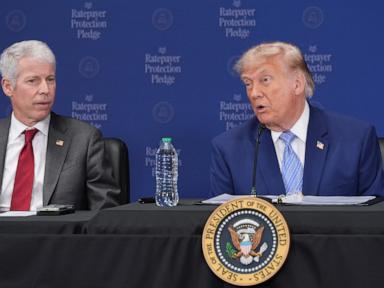
Your monthly electric bill is climbing, and artificial intelligence is a major reason why. Massive data centers powering modern AI models gobble up electricity at a rate local power grids were never built to handle. Facing mounting anger from voters before the midterms, President Donald Trump expanded his administration's Ratepayer Protection Pledge at the EPA. Nearly 200 entities—including 23 governors and major utility companies like NextEra Energy and Duke Energy—have now signed on.
The pitch sounds great. Big tech and power companies promise that ordinary Americans won't foot the bill for AI's massive energy demand. For a more detailed analysis into this area, we recommend: this related article.
Here's the problem: the pledge is completely voluntary and legally nonbinding.
If you're expecting your power bills to magically drop because executives signed a piece of paper, you're going to be disappointed. Understanding how energy grids actually work shows why this agreement is mostly political defense. For additional context on the matter, in-depth analysis is available at USA Today.
The Massive Power Consumption of AI Data Centers
AI doesn't just run on code; it runs on raw megawatts.
Traditional internet servers handle basic data processing. AI clusters running complex neural networks consume vastly more power. According to projections from energy research firm ICF, surge demand from these facilities could push monthly residential utility bills up 15% to 40% by 2030 if left unchecked.
Building the infrastructure to deliver that much power costs billions. Grid operators have to build new substations, lay high-voltage transmission lines, and deploy new generation capacity.
Historically, regulated utilities spread these massive capital expenditures across their entire rate base. That means everyday homeowners pay for grid upgrades required by commercial giants.
Inside the Ratepayer Protection Pledge
The White House first pitched the Ratepayer Protection Pledge to major tech firms like Google, Microsoft, Meta, OpenAI, and Amazon. The new expansion brings power providers, data center developers, and state executives into the fold.
The administration claims the agreement now covers 80% of all electricity delivered to American homes and businesses.
The core idea is straightforward enough:
- Tech companies and data center operators must cover 100% of the costs for their own direct power infrastructure.
- Utilities agree not to pass off dedicated generation and grid upgrade costs onto residential consumers.
- Tech firms are encouraged to co-locate their own off-grid power sources, like small modular reactors or dedicated natural gas plants.
The goal is preventing everyday consumers from subsidizing Silicon Valley's massive energy footprint.
Why Nonbinding Promises Fall Short
A voluntary pledge sounds nice in a White House press release, but it lacks enforceability.
There are no civil penalties, no regulatory fines, and no legal enforcement mechanisms if a utility company breaches the agreement. Power companies report to state Public Utility Commissions (PUCs), not presidential photo-ops. If a utility goes before a state board and demonstrates that general grid reliability requires an rate hike, state law usually dictates how those costs get allocated.
Opposition to these data centers isn't just coming from environmental groups or coastal states. Local communities in deep-red rural Texas have pushed back hard against rapid facility expansion, forcing leaders like Governor Greg Abbott to sign the pledge while managing intense local backlash.
When local substations get overloaded, fixing them costs money. Without hard legal mandates, those costs quietly trickle down into standard delivery fees on your monthly statement.
Real Solutions Require Real Laws
If Washington actually wants to protect ratepayers, voluntary handshakes won't cut it. Real protection requires binding policy changes:
- Mandatory Direct Tariff Structures: State utility commissions must enforce strict tariffs requiring large-load data centers to pay specialized rates that fully cover localized infrastructure upgrades.
- Binding Federal Legislation: Bipartisan efforts in the House Energy and Commerce Committee aim to turn these voluntary cost-bearing principles into federal law.
- Off-Grid Power Mandates: Forcing mega data centers to bring their own power generation online before connecting to the general grid ensures they don't siphon capacity from surrounding towns.
States like Florida have already moved in this direction by passing state-level legislation to prevent utilities from passing data center energy costs onto small businesses and residents.
Until federal or state laws impose strict legal boundaries, voluntary promises will remain effective political cover rather than genuine rate relief. Watch your local utility commission filings closely over the next year—that's where the real fight over your electric bill will happen.


